
Tag: US-AUP
-
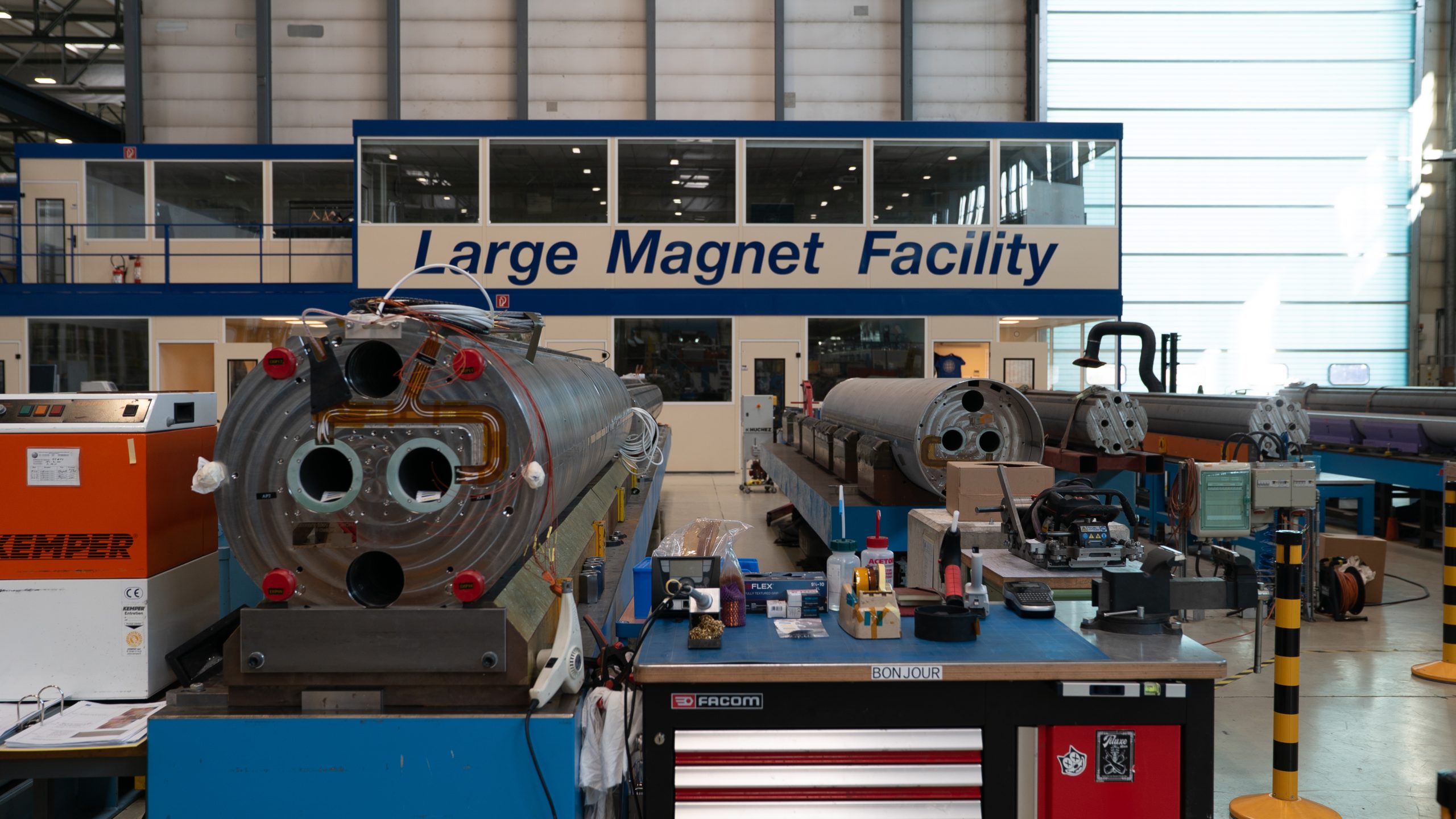
HiLumi LHC magnet programme transitioning from fabrication to integration
The High-Luminosity (HiLumi) LHC magnet programme continues to advance steadily across all collaborations, with major milestones reached in production, testing, and system integration. A significant highlight of the past 6 months is the cooldown of the Inner Triplet (IT) String, now at 1.9 K, with the first magnets already powered, marking an important step towards…
-
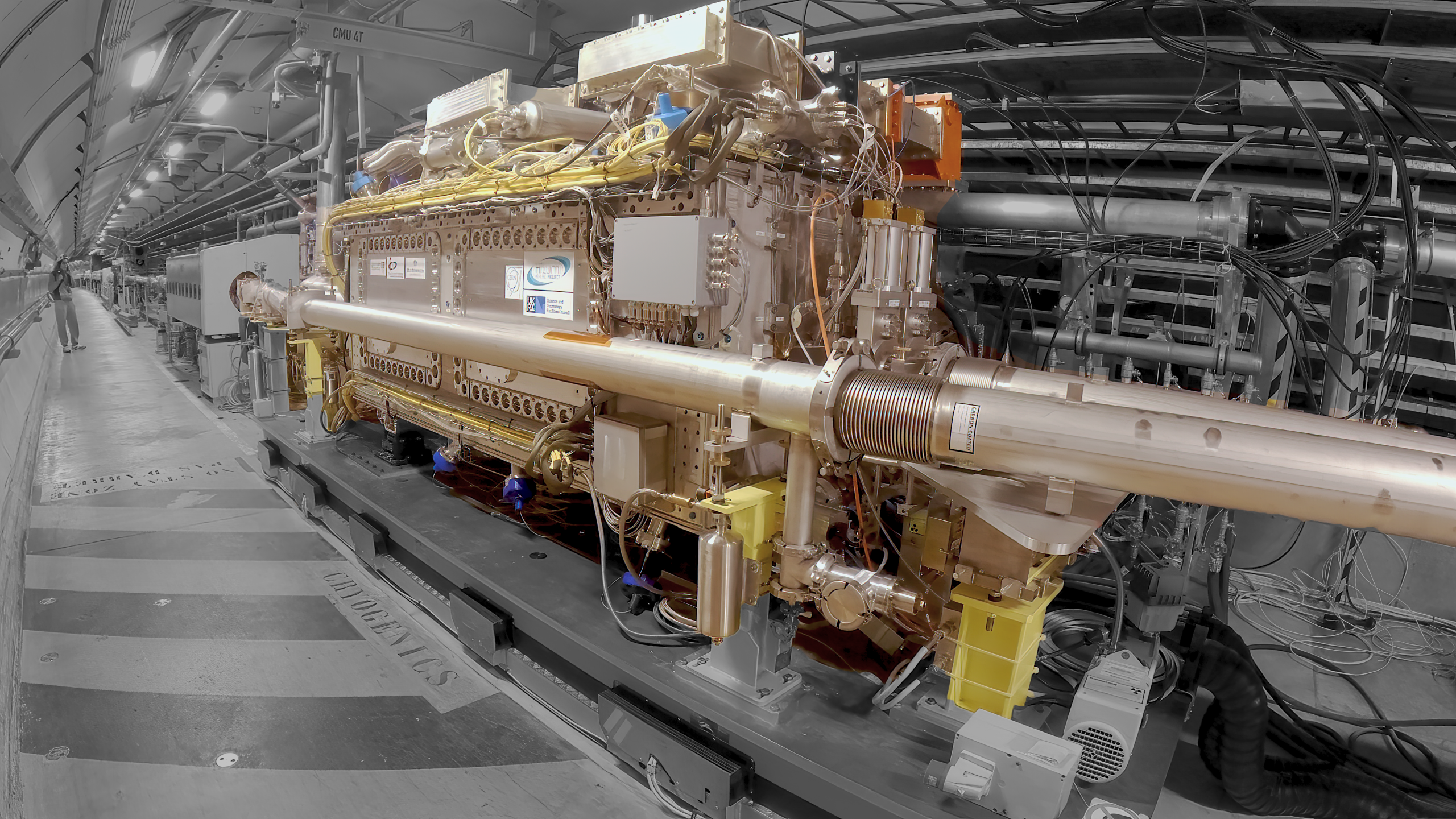
Crab cavity and RF developments across collaborations
Strides are being taken for the RFD and DQW crab cavities and cryomodules, with challenges being tackled and overcome across the collaborations, and more deliveries to CERN imminent. Important progress has also been made for the high-power RF components. RF Dipole Cryomodule for SPS Tests (CERN) The Radio Frequency Dipole (RFD) cryomodule in the SPS…
-
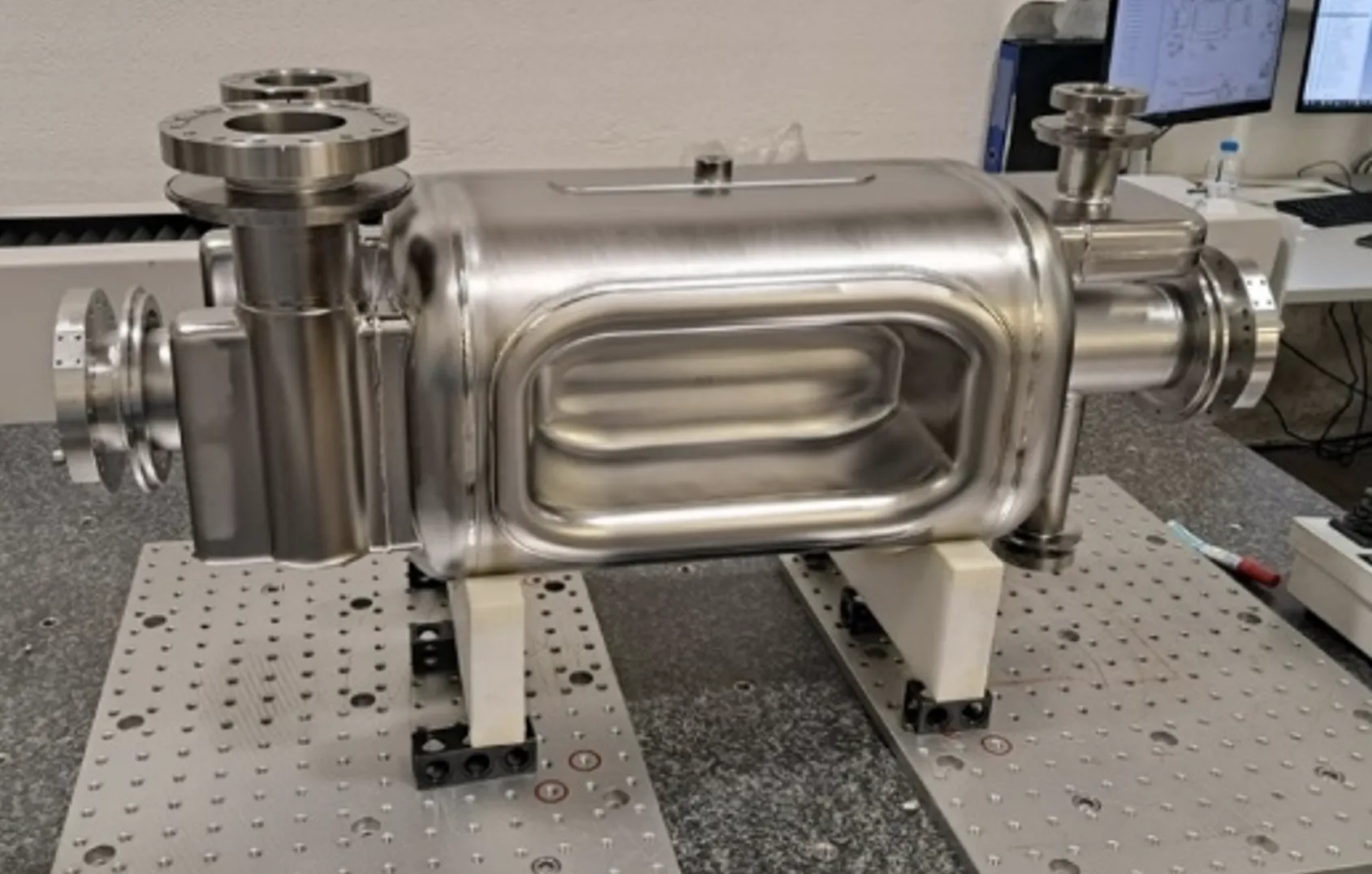
Progress of the in-kind contribution from the USA for series production and testing of radio-frequency dipole (RFD) cavities for the HL-LHC
The series production of bare and jacketed Radio-Frequency Dipole (RFD) cavities is progressing steadily at Zanon Research & Innovation Srl (ZRI) within the framework of the HL-LHC Accelerator Upgrade Project (AUP), coordinated by Fermilab. Manufacturing is proceeding at full capacity with multiple production activities – including cavity fabrication, chemical processing, and cleanroom assembly – executed…
-
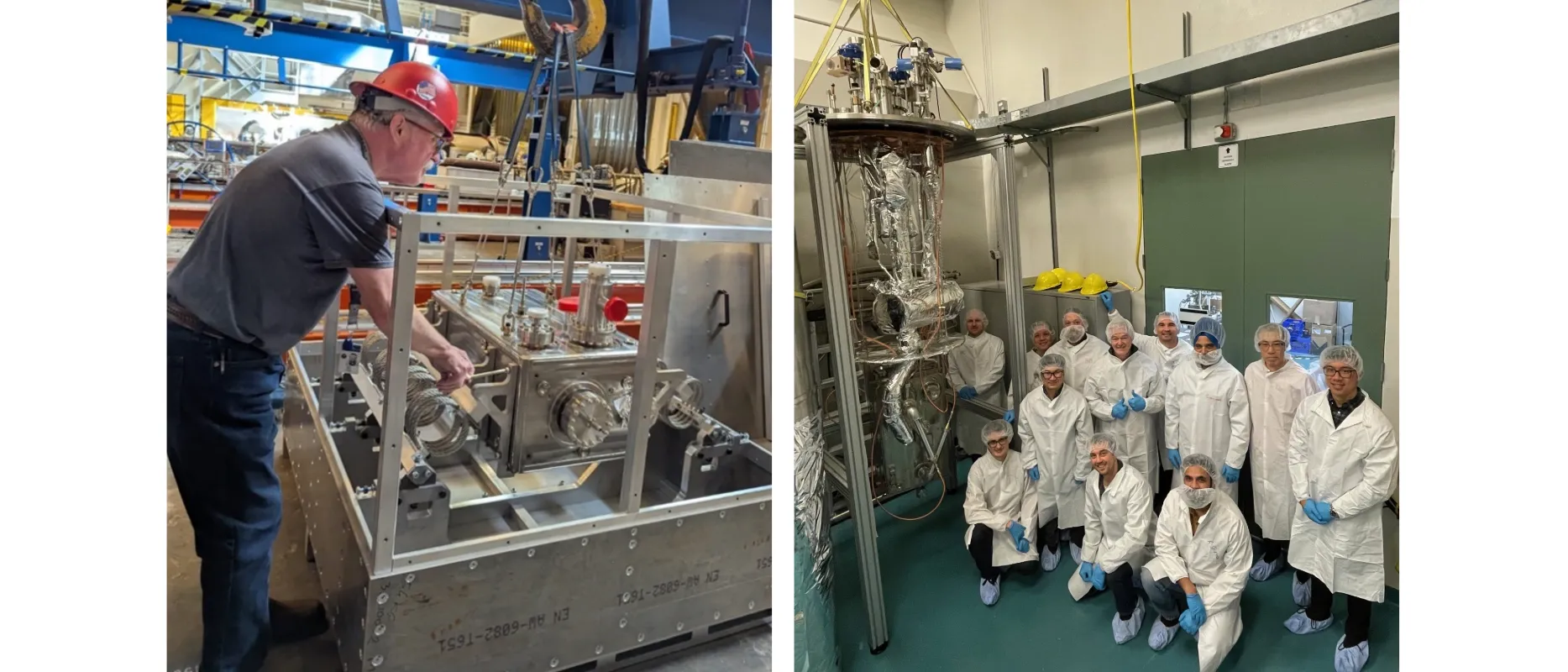
Prototype RFD cavity tests at TRIUMF: Status and progress with TCM0 and preparation for TCM1 activities
Major expenditures have been completed in time to spend the allocated funds and procure all components required for the cryostating activities of the 5 series RFD cryomodules. In February 2025, TRIUMF received a prototype RFD cavity (TCM0) from AUP after it had been tested at JLab with both warm and cold characterisations. The cavity passed…
-
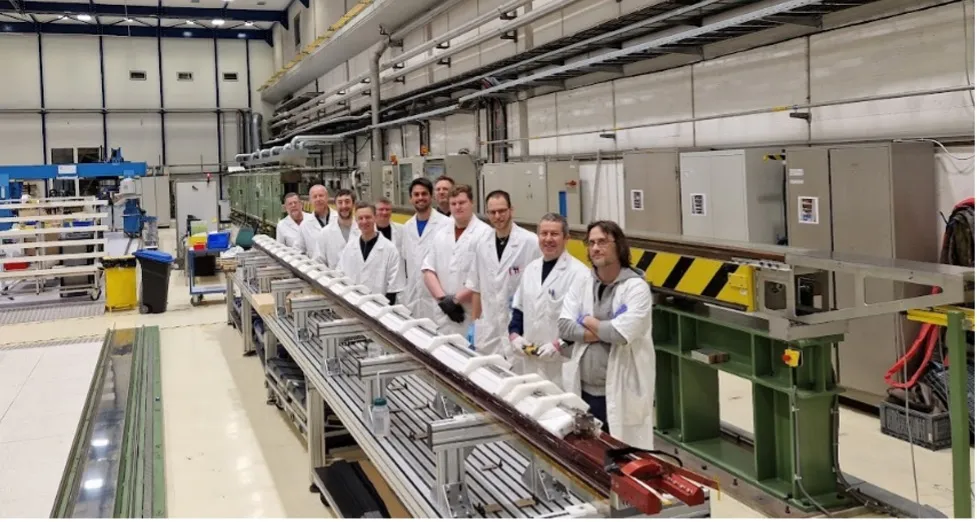
HL-LHC magnets: progress across the collaborations and at CERN
Since the last newsletter in June 2024, the interaction region (IR) magnets for the HL-LHC have reached several key milestones. One of the most significant achievements was the delivery of all cryo-assemblies to the IT String, including the DCM connection module, marking a major step forward in the integration process. With Work Package 3 now…
-
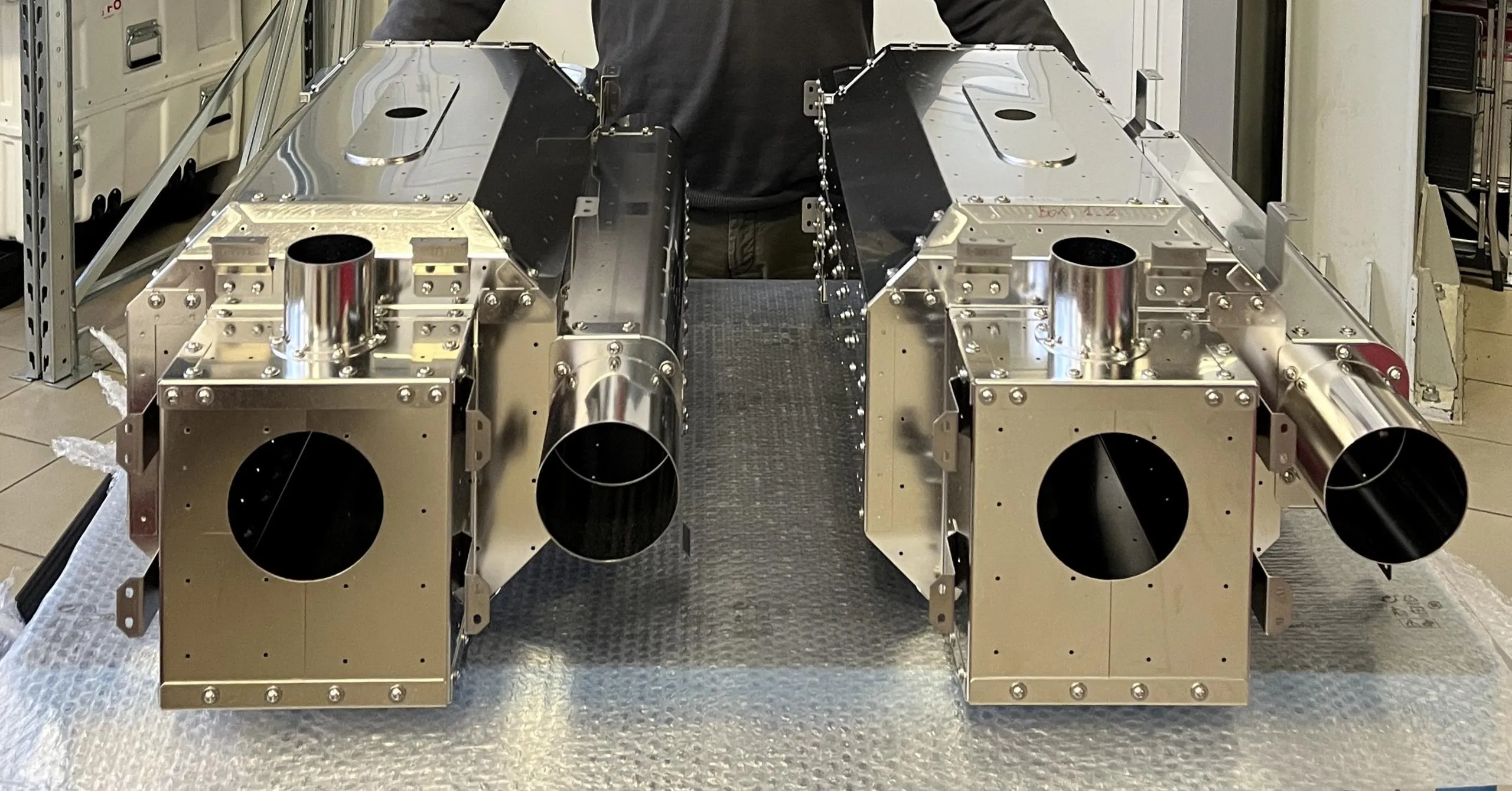
Progress with series production of RFD cavities and preparations for cryostating
Accelerator Upgrade Program (AUP) cavity status and preparations at JLab Work is progressing well for the crab cavity portion of the US contribution to the HL-LHC Project. All contracts are in place with the industrial supplier for the manufacturing of the RF-dipole (RFD) crab cavities, where activities have now reached peak production after years of…
-
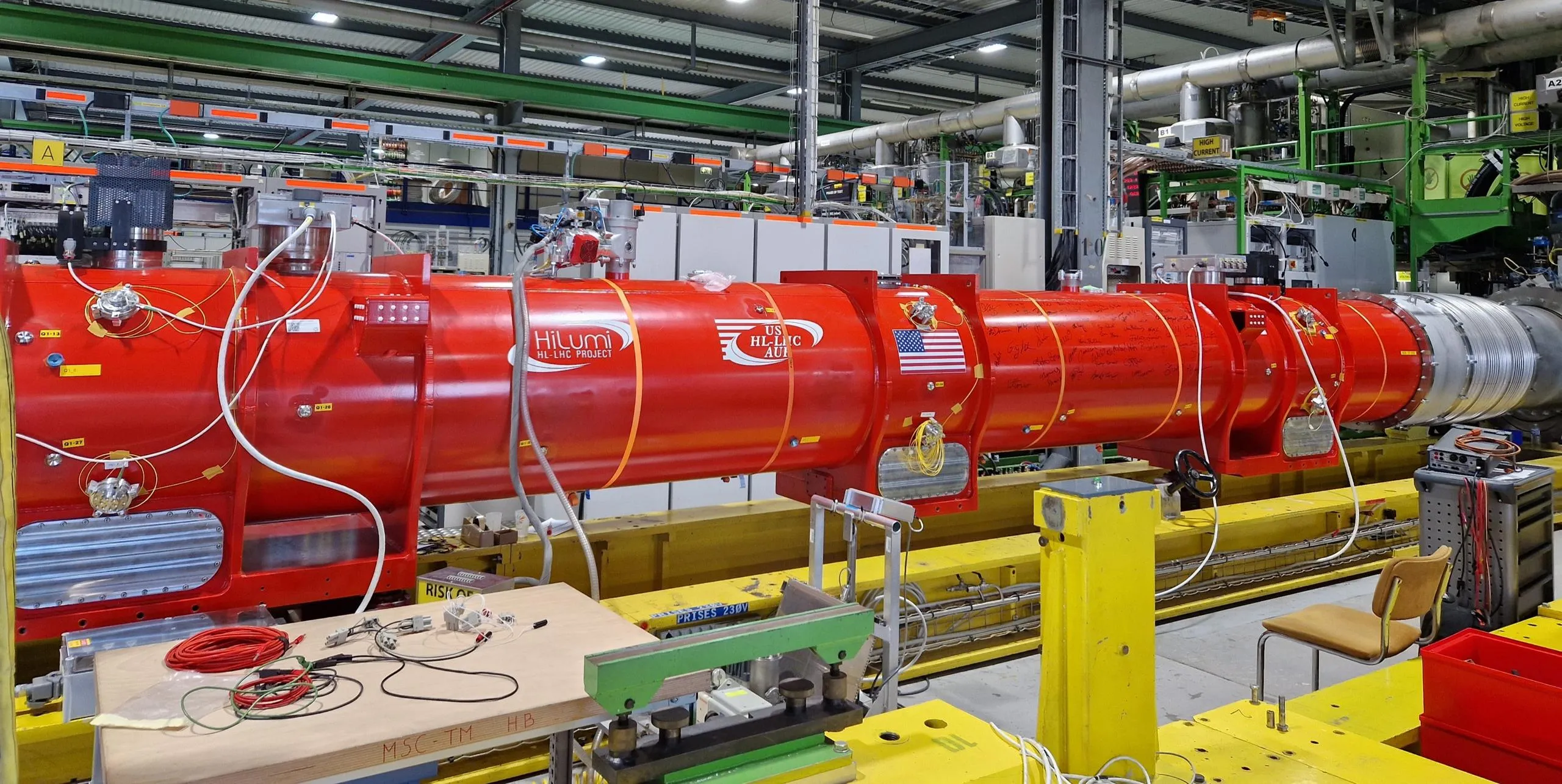
Progress of HL-LHC magnets: a collaborative effort
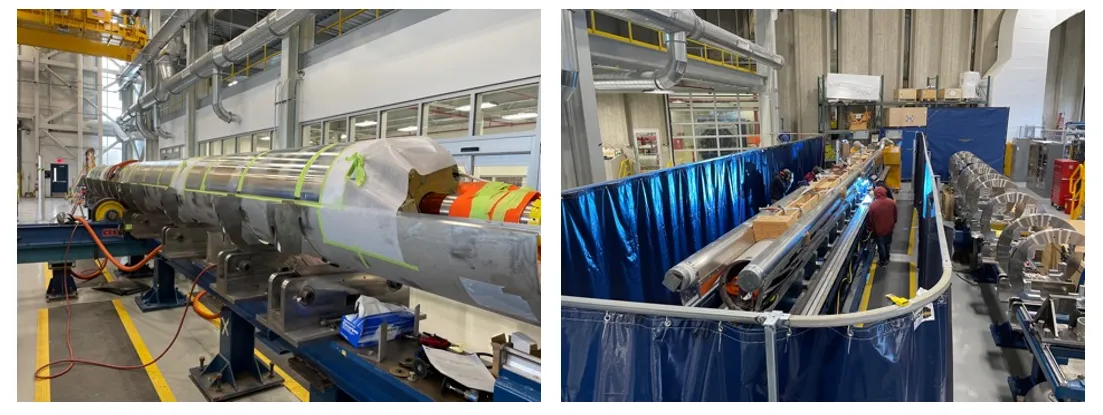
Q1 and Q3 triplet magnets – US-AUP collaboration The first cryoassembly from US-AUP was delivered to CERN in November 2023 and will be re-tested at CERN in June 2024 (see figure 1, left). Production of the second cryoassembly was completed at Fermilab (see figure 1, right) and the completed assembly is ready for the horizontal…
-
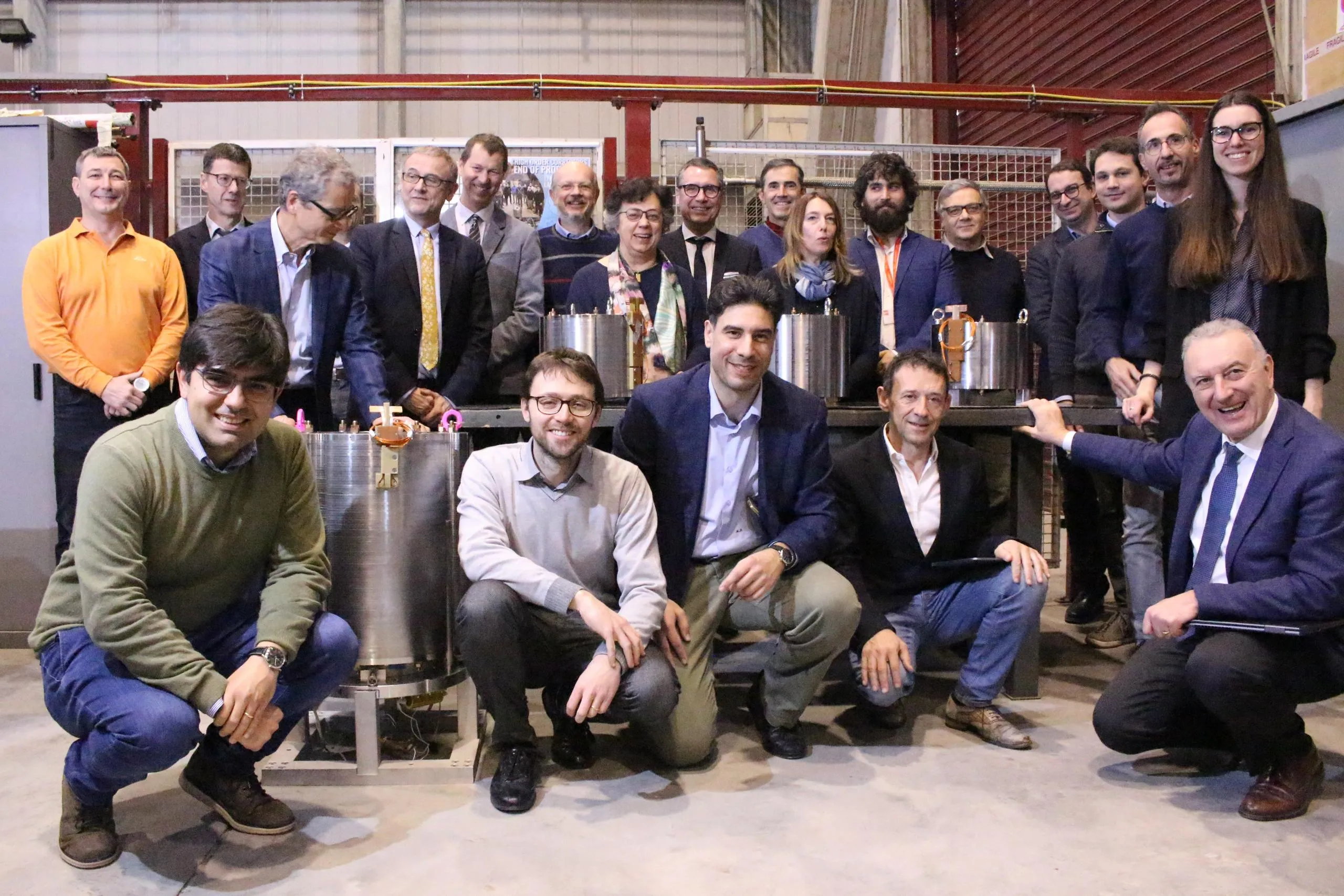
WP3 contribution
INFN collaboration: High order correctors and D2 recombination dipole The last batch of the 54 high order corrector magnets was successfully tested in LASA by the end of 2022, and all correctors have been delivered at CERN. In February 2023, a celebration was held to mark the end of the first series production of HL-LHC…
-
Start of series production for RFD CC at Zanon
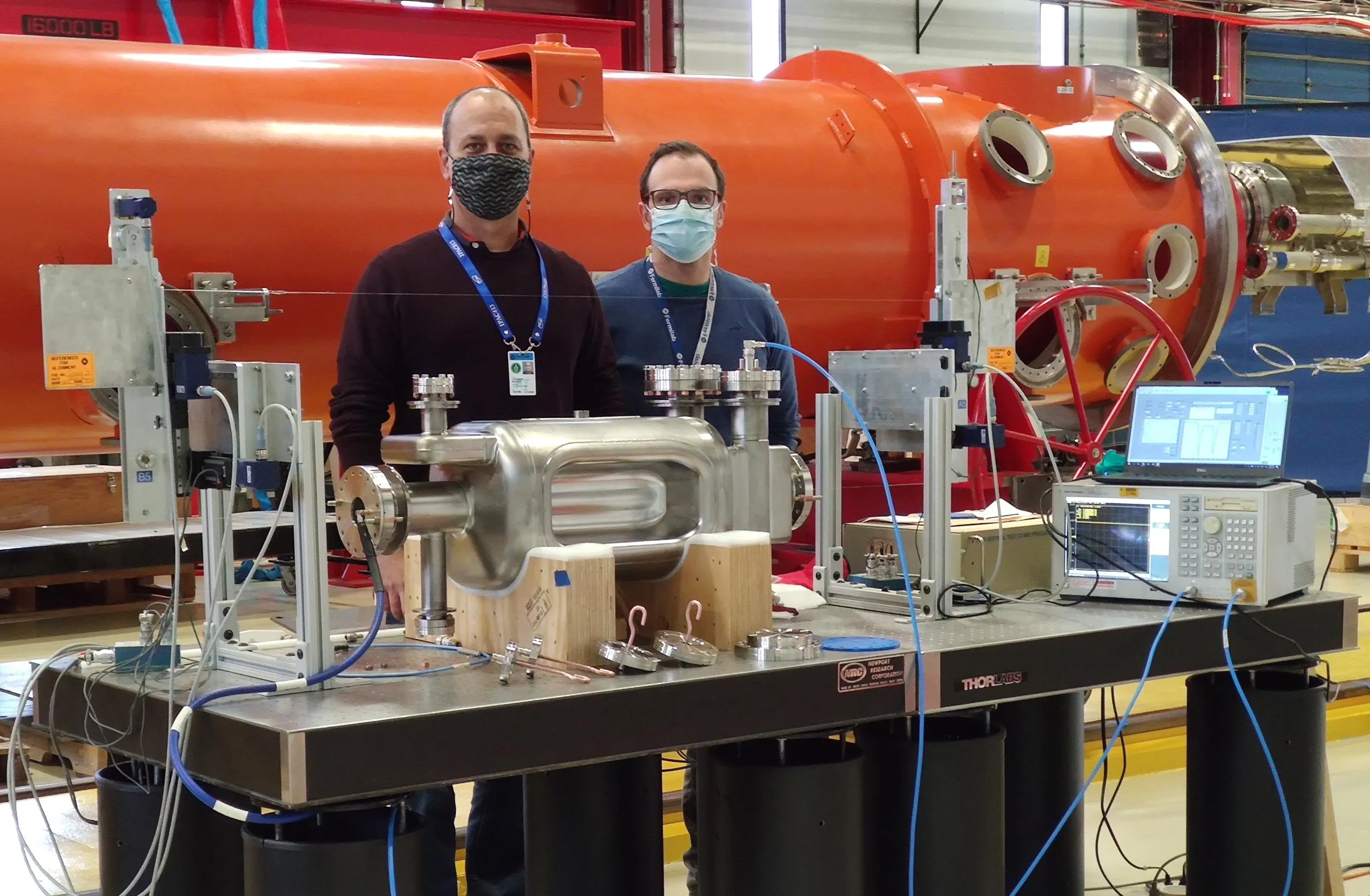
In the framework of HL-LHC AUP in the US, last year two prototype RF Dipole Crab Cavities manufactured in Italy by Zanon Research & Innovation were validated successfully at FNAL through cold tests at 2K. One prototype reached a deflecting field voltage of 5.8 MV which is 40% above acceptance and 70% above nominal. The…
-
Advancements in MQXFA program and endurance test
In May 2022, the HL-LHC AUP project successfully completed an endurance test on an individual magnet (MQXFA05) in vertical position. This step, foreseen for the final cold mass assembly in horizontal position, was anticipated to this intermediate assembly stage to gather more information on the long term behavior of Nb3Sn magnets. The test involved completing…