Tag: US-AUP
-
RFD Cavity Tests at 2K
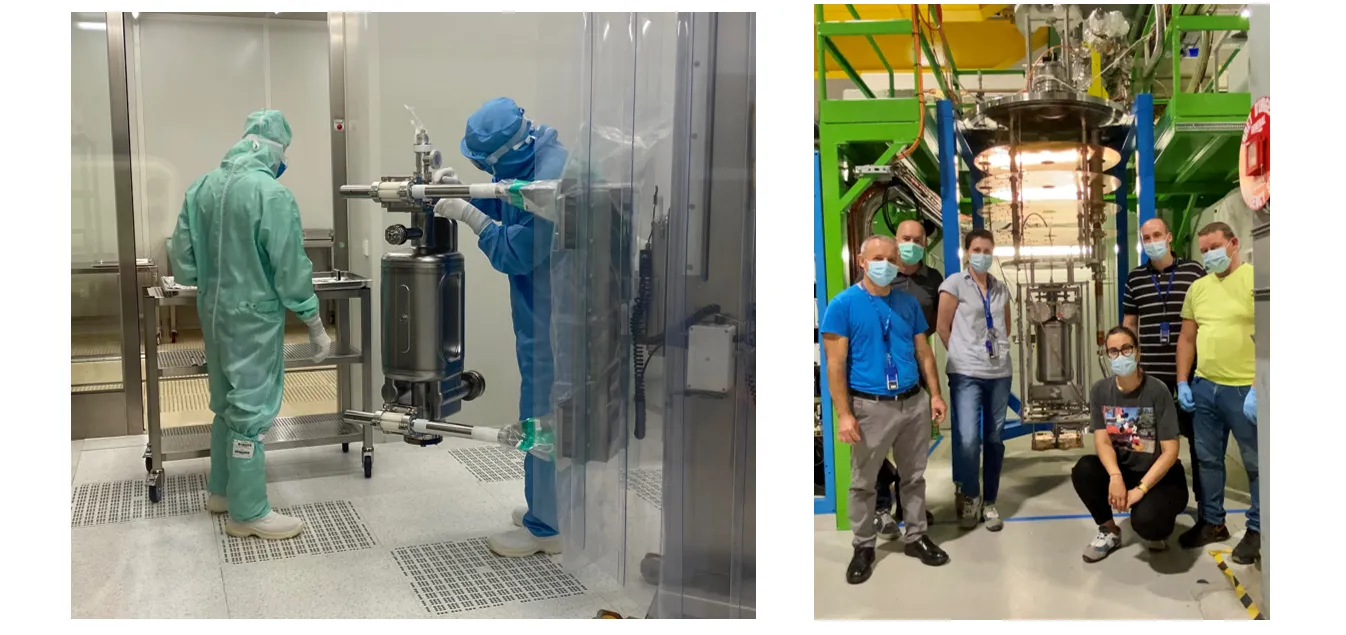
The two RF dipole crab (RFD) cavities being prototyped for the SPS tests underwent an ultra-pure water rinsing for a period of approximately 7 hours at very high pressure of 100 bar. This process has proven to be a key step in the cavity preparation to reach extremely high fields and suppress electron field emitters…
-
Status of MQXF production and test results
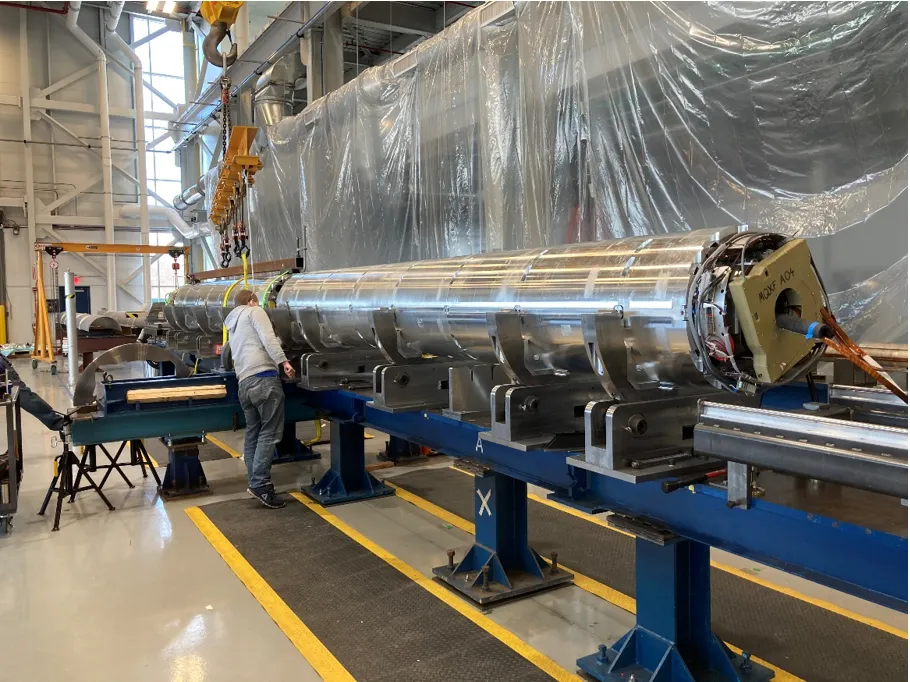
Nb3Sn triplet (MQXF) After the successful tests of MQXFA03 and MQXFA04, that allowed last year to obtain the approval of the US contribution by the DOE, MQXFA05 has been tested in May 2021. The magnet (in a vertical dewar and without outer stainless-steel shell, as MQXFA03 and MQXFA04) reached the required performance, confirming the absence…
-
RFD Assembly
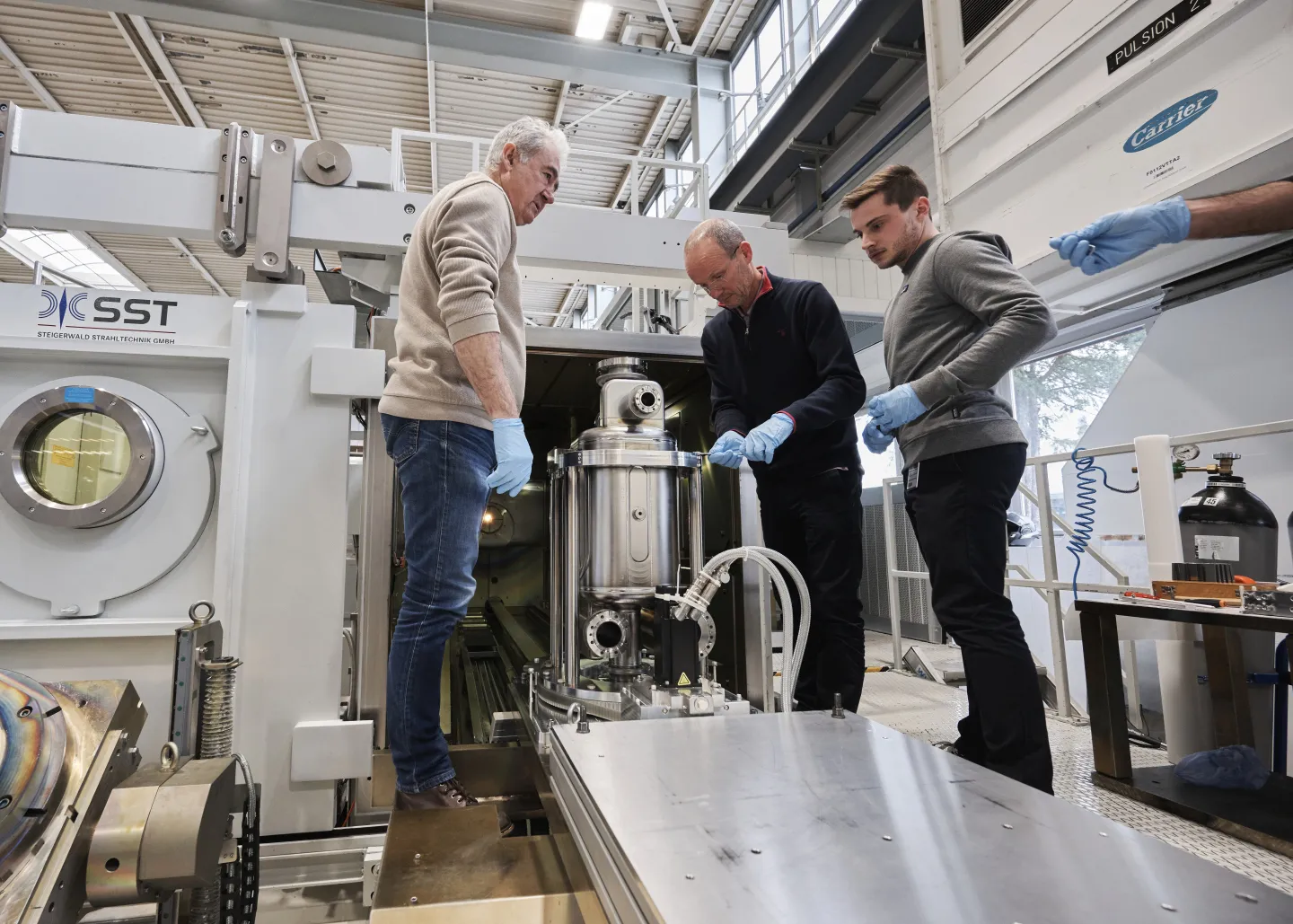
Two prototypes of RF dipole cavities which provide horizontal crabbing for the HL-LHC were successfully built at CERN. The frequency tuning setup before the final two welds is shown in the figure below. The frequencies of both cavities were within 100 kHz (negligible) showing the surgical precision in the manufacturing techniques for such a complicated…
-
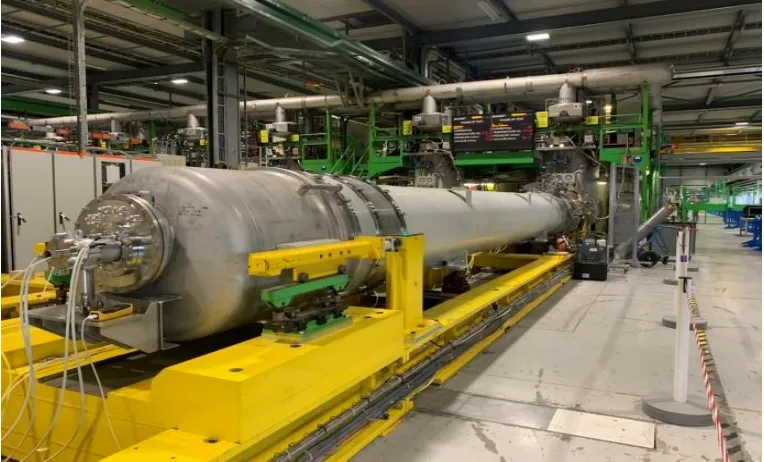
Status of Magnet Production and Test Results
Nb3Sn triplet (MQXF) The most significant advancement has been the test of the third US-AUP full size magnet, named MQXFA03. The magnet reached nominal gradient with limited training and is the first magnet ready to be included in the first cold mass to be installed in the IT-String test. The test was particularly significant since…
-
Update on the HL-LHC Project Status – Issue 4
Dear HiLumi collaborators, The period following the 9th Collaboration Meeting in Fermilab, 14-17 November 2019, has been exceptionally rich in events. The most striking has certainly been the COVID-19 emergency, with long periods of lockdown almost everywhere. Although work has resumed at CERN and in most laboratories, the consequences go far beyond the lockdown time.…
-
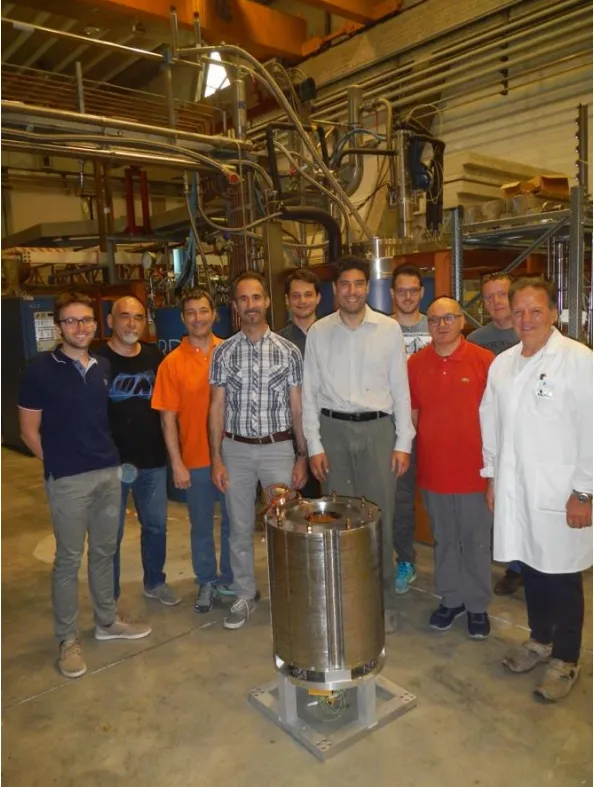
Status of magnet test results
The last short model of the Nb3Sn quadrupole was limited below nominal current by one coil: to overcome this issue, the limiting coil shall be replaced magnet and the magnet shall be tested in summer. The results of the test on US prototype has been reported here. The first prototype of the nested corrector MCBXFB…
-
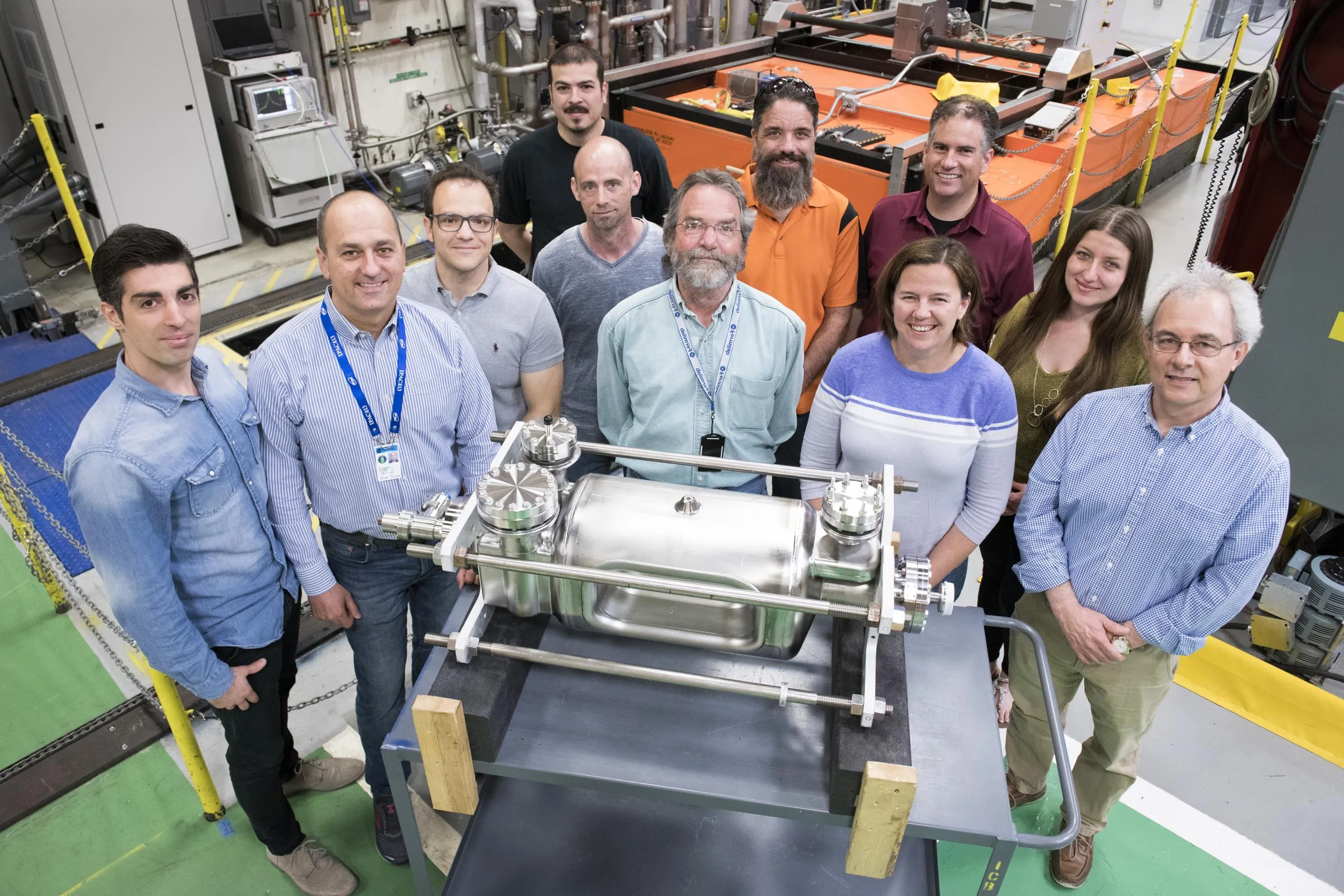
Report on the CD2 DOE Review
The US HL-LHC AUP effort successfully defended its plans to DOE in December 2018, and was baselined in February 2019. This major step, called Critical Decision -2 approval (CD-2), provides the funding agency approval of the total estimated Project cost and yearly funding profile to meet the goal of the US contribution to HL-LHC. Two…
-
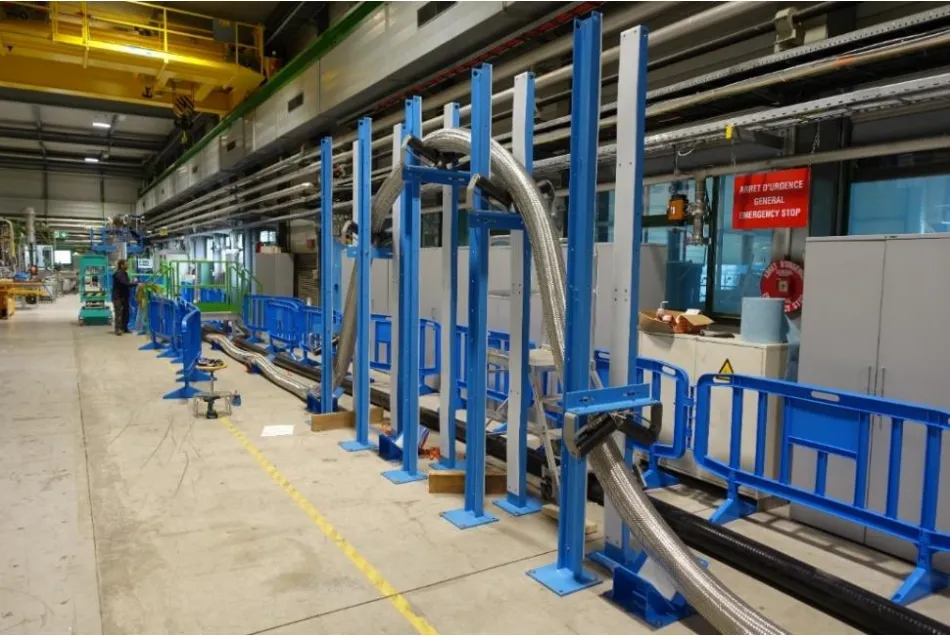
Highlights from the HL-LHC Work Packages
WP2: Performance and Beam Dynamics During a measurement campaign in 2017 at the LHC, it was clearly demonstrated for the first time the beam lifetime improvement due to a compensation of the beam-beam long range effects, using DC current baring wires. The measurements and design studies are continuing during 2018 for further refining of the…
-
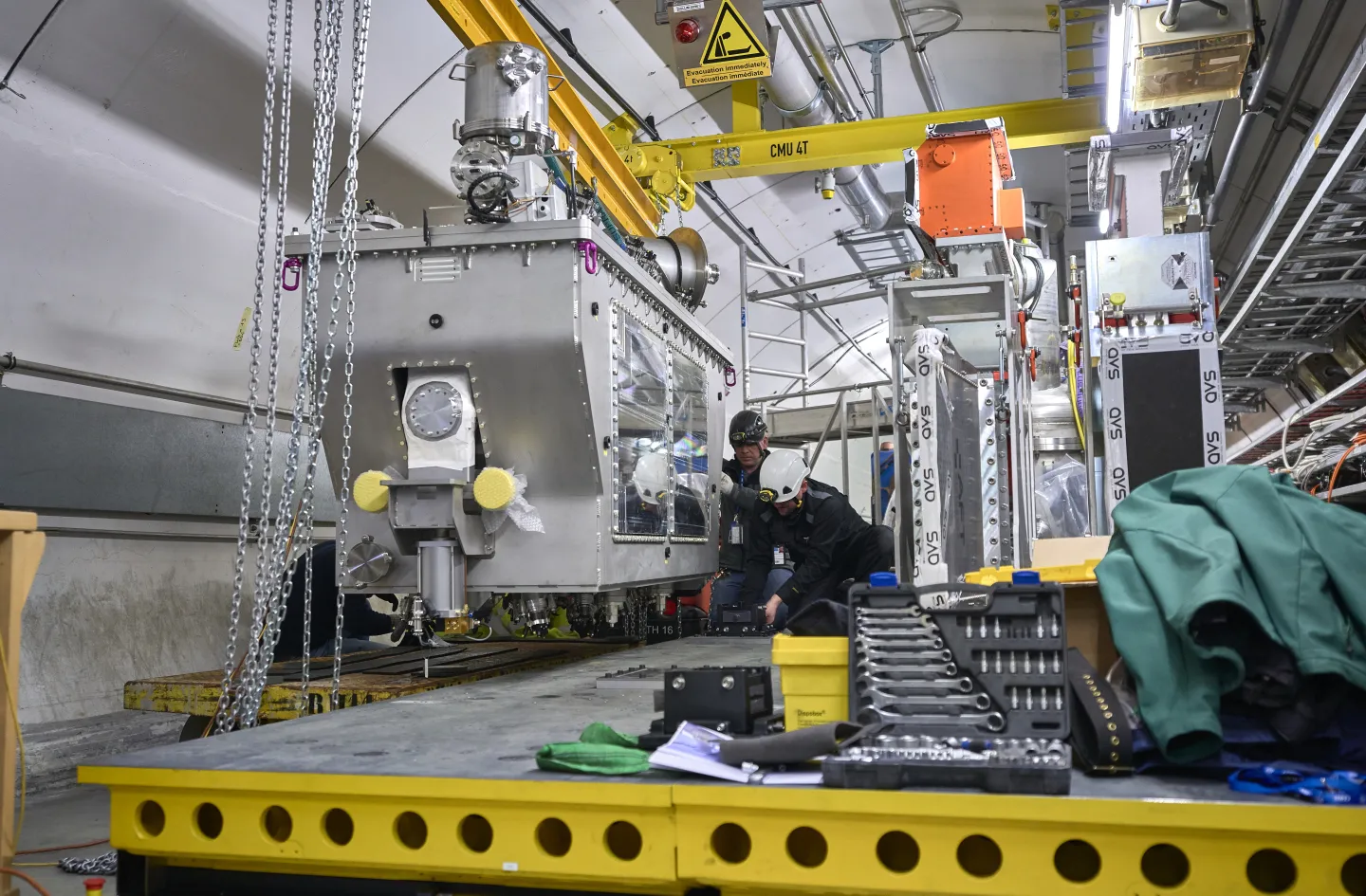
Crab Cavity Prototype Development and Test Stand Installation in the SPS and World’s First Crabbing of a Proton Beam
The first test of superconducting crab cavities to rotate a beam of protons was performed on 23 May 2018 using a beam from CERN’s Super Proton Synchrotron (SPS) accelerator. These cavities are a key component of the High Luminosity Large Hadron Collider (HL-LHC). A total of 16 such cavities will be installed in the HL-LHC…