
Tag: Run 3
-
LHC High-Intensity Tests paving the way for HiLumi LHC
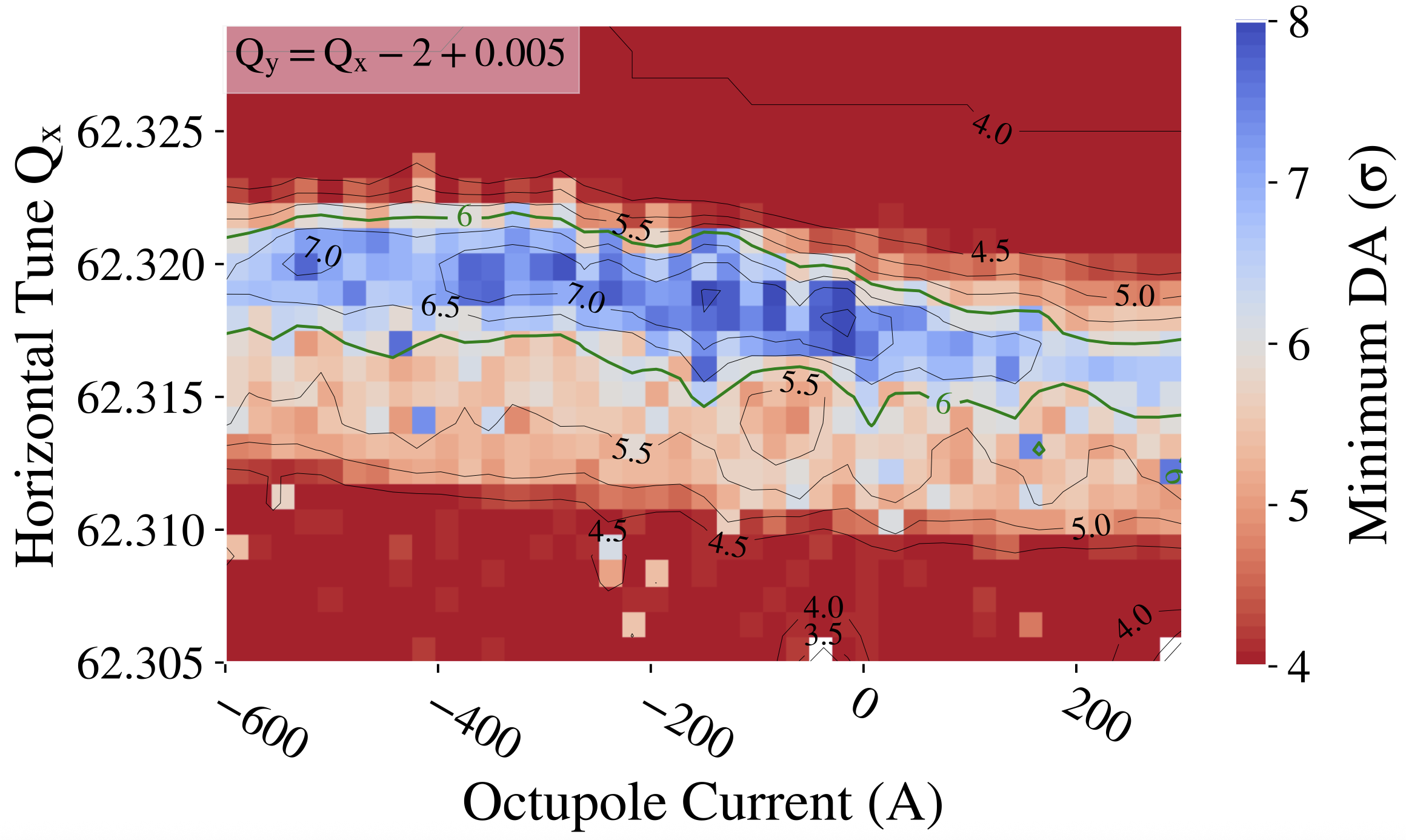
During the two days dedicated to LHC high-intensity tests, the accelerator successfully operated with an unprecedented number of high-intensity bunches and provided encouraging results and valuable lessons ahead of the main high-intensity test campaign planned in late-June. Preparatory tests for the LHC high-intensity (HI) period, carried out on 4th to 6th May 2026 marked an important milestone…
-
Beam instrumentation put to the test
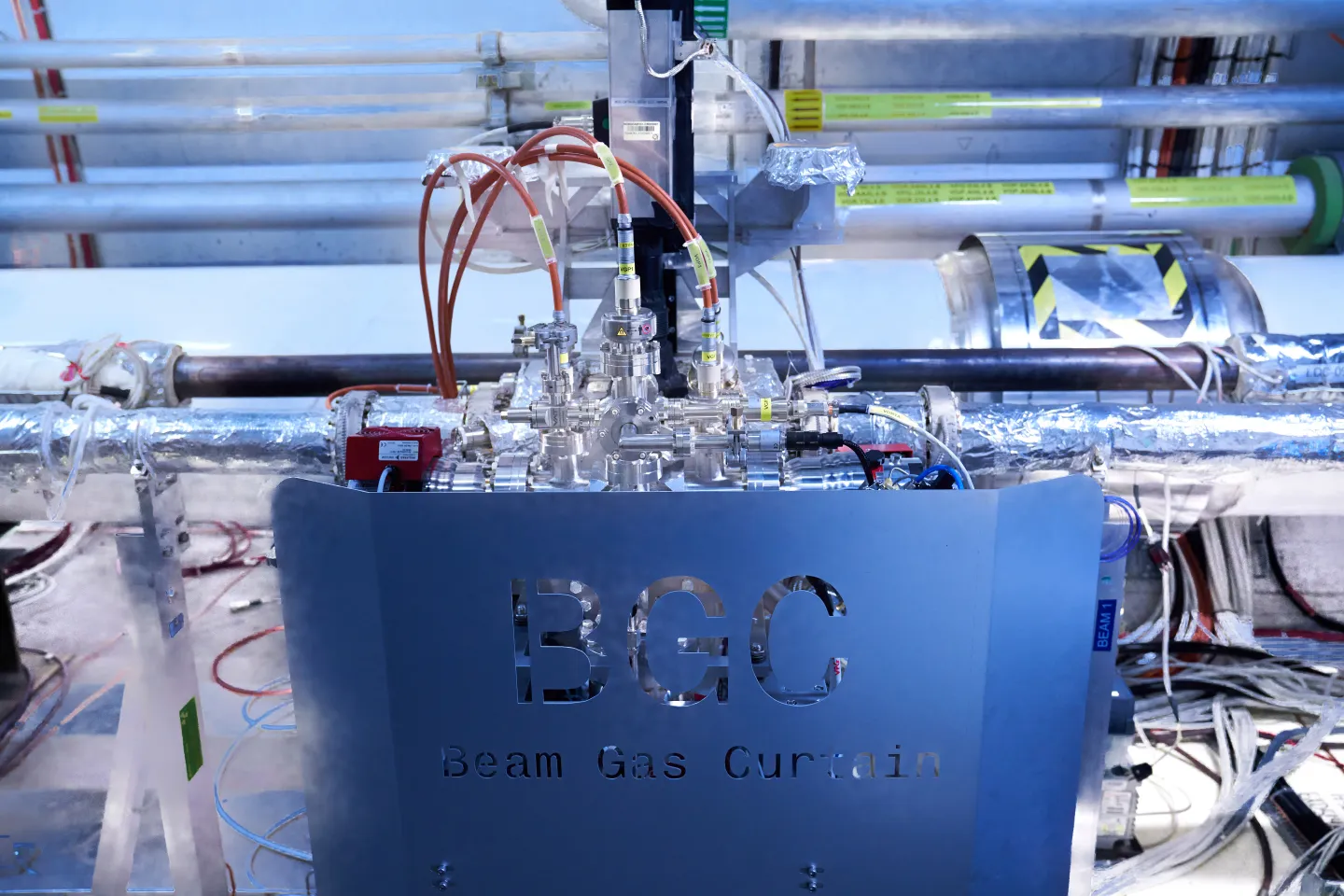
Although most of the HL-LHC beam instrumentation work package is well into production and even integration, some of the more innovative designs are also taking advantage of the final beams in Run 3 to test and optimise their performance. In particular, an electro-optical beam position monitor (e-o BPM) and a Beam Gas Curtain (BGC) profile…
-
Long Shutdown 3 schedule and readiness review
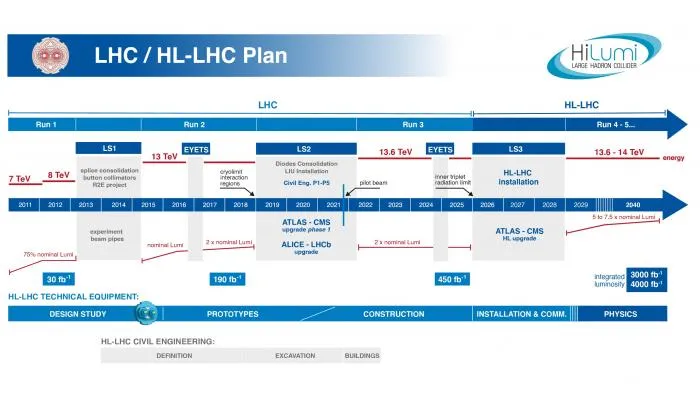
The HL-LHC Project will culminate with the accomplishment of a very demanding installation phase during the Long Shutdown 3 (LS3). To assess the project’s readiness, a tracking process on the expected availability of equipment has been implemented. The careful follow-up of this installation schedule float plays an important role in the strategical decision-making process. It…
-
LHC operational status
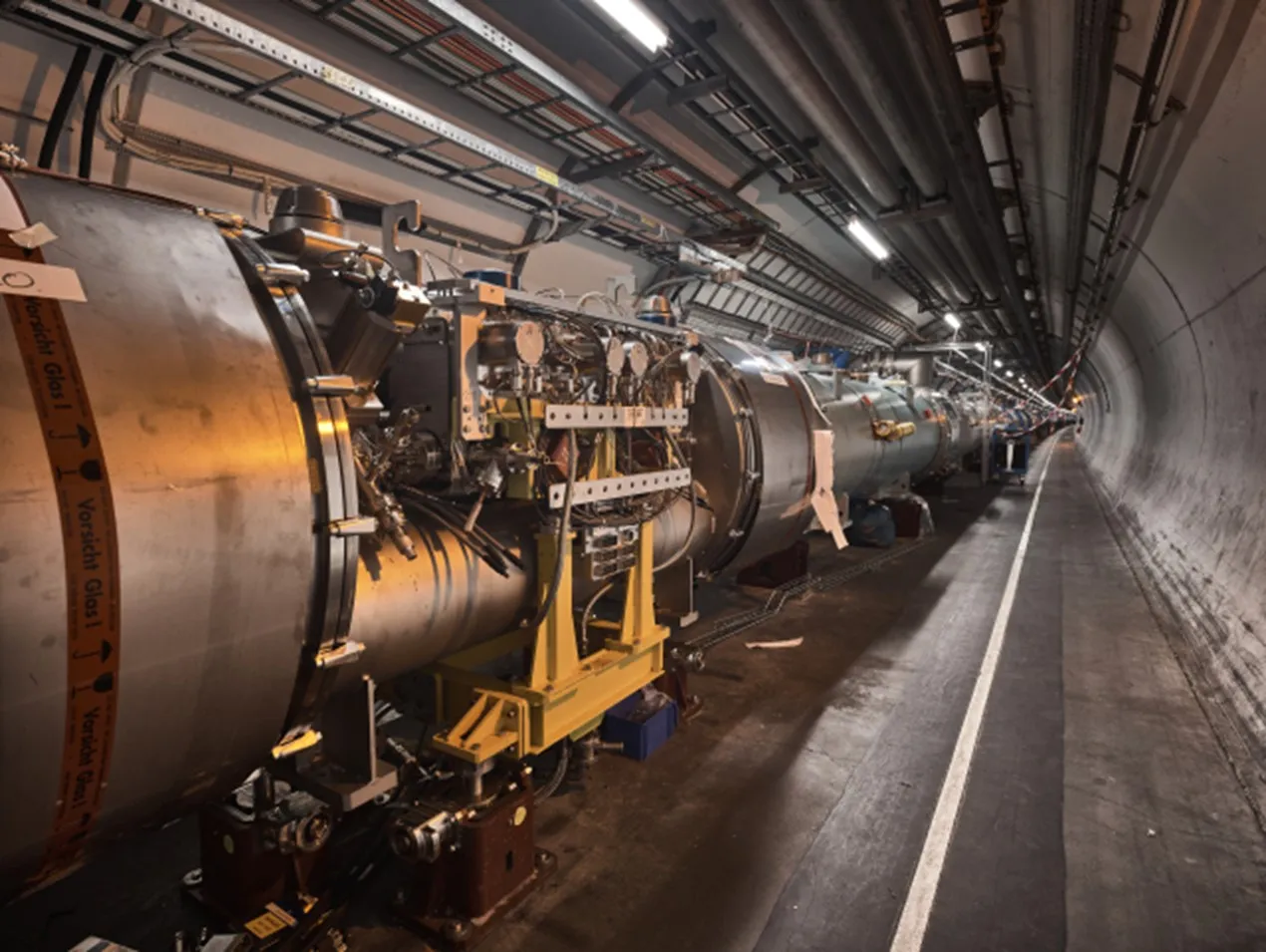
Figure 1: Photograph of the dispersion suppressor collimator (TCLD) installed in the dispersion suppressor region around ALICE. A standard 15m-long connection cryostat is replaced by two shorter connection cryostats and a bypass module that enables installation of a warm collimator. Since the restart of the LHC for its third operational run in 2022 (Run 3),…
-
Status of infrastructure installations for HL-LHC
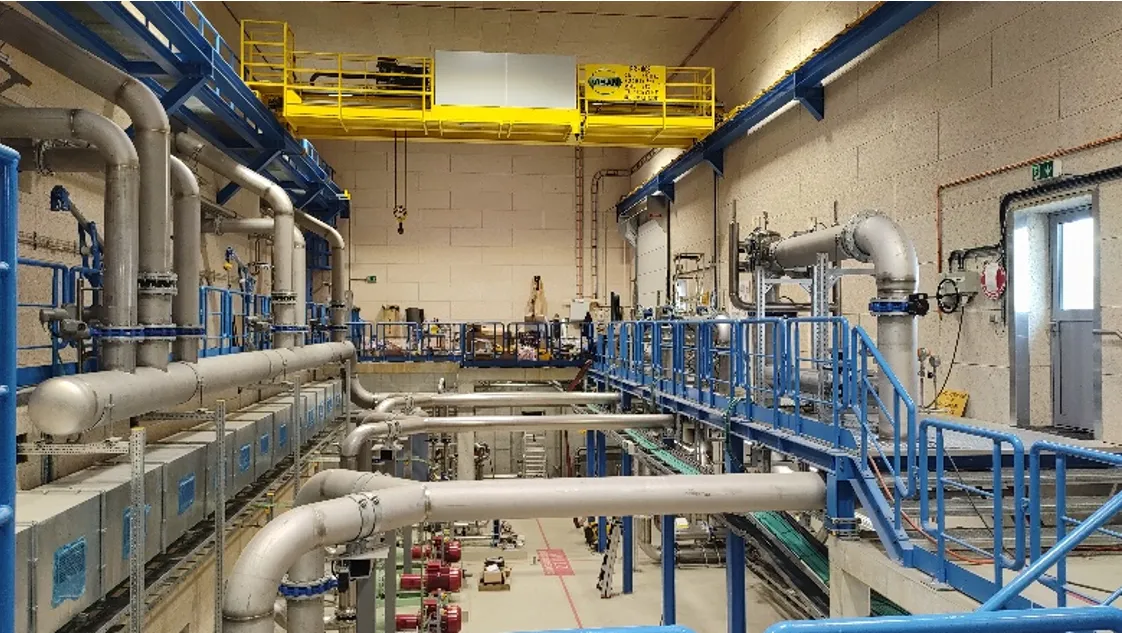
Following the handover of the civil engineering buildings and structures in the period from May 2020 until January 2023, the installation of the general services and technical infrastructures has started at the HL-LHC worksites of P1 (ATLAS) and P5 (CMS). The two worksites are in the so-called worksite Category 1 and will remain closed and…
-
Crystal collimation for the operational ion run in 2023
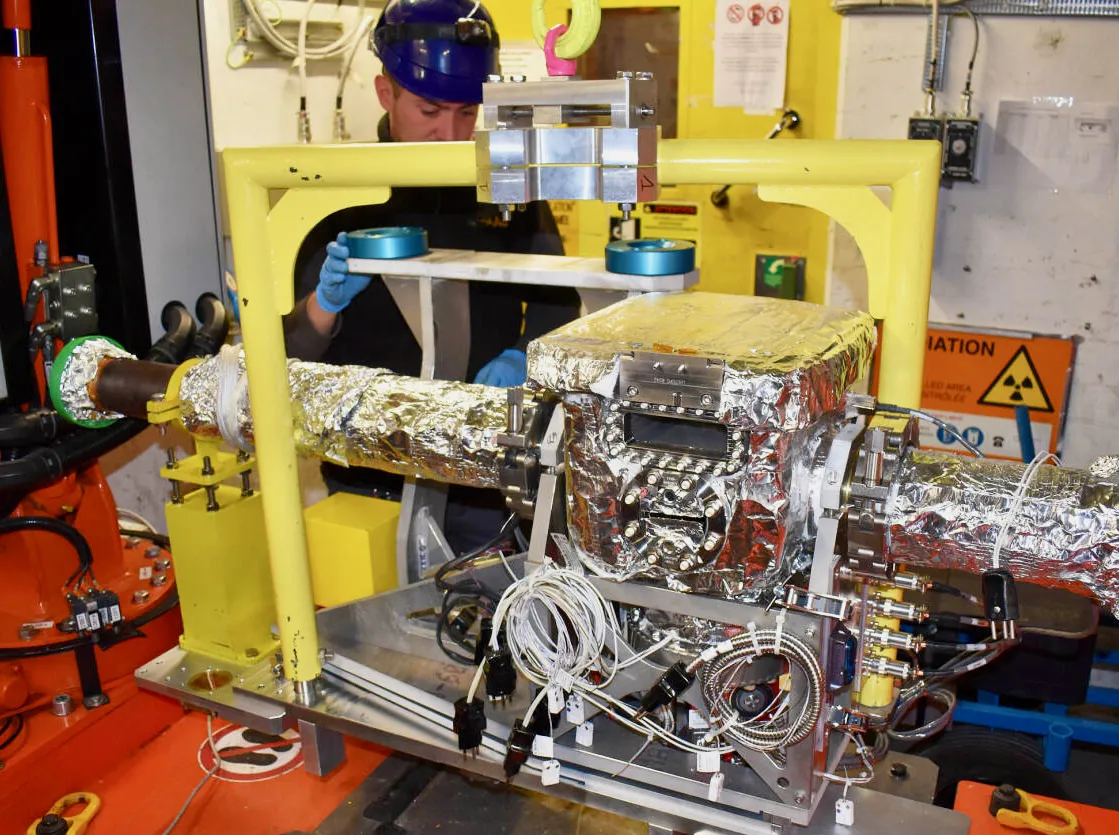
While the HL-LHC era for proton collisions starts in 2029 with the operational Run 4, the aim is to achieve the target HL heavy-ion performance already in Run 3 following the upgrade of the ALICE experiment during LS2. Thanks to the LHC injector upgrade program successfully completed during LS2, and in particular due to the…
-
First beam commissioning of the new HL-LHC collimators at the LHC
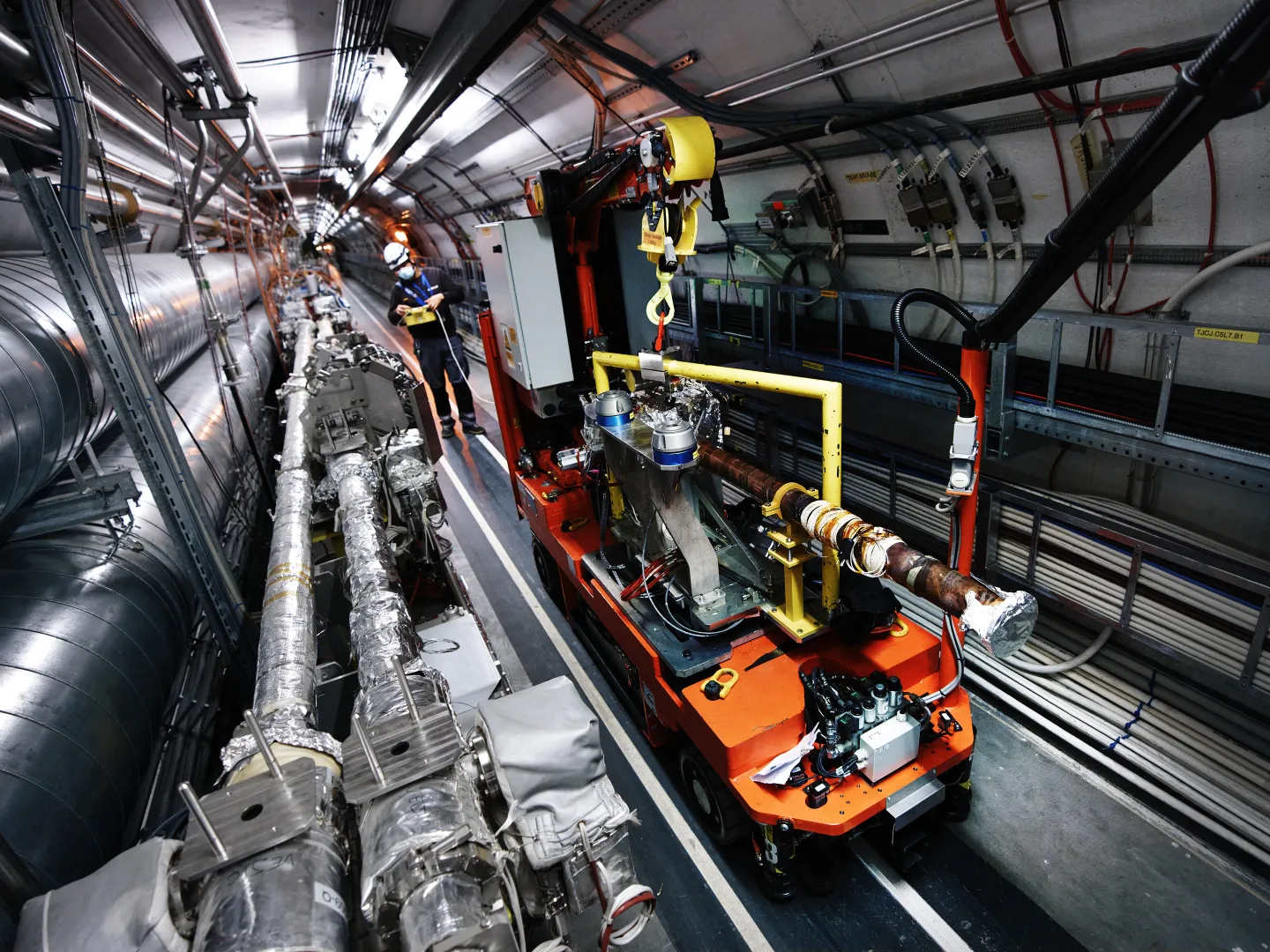
The HL-LHC WP5 activities started in LS2 with some important upgrades in preparation to the full deployment of HL-LHC in LS3. The first phase of the collimation system upgrade during LS2 involved the installation of: The updated LHC collimation system layout for the recently started Run 3 is shown in Figure 1. Primary collimators and…
-
Implementation of crystal collimation of heavy ion beams for Run3 in absence of 11 T dipoles
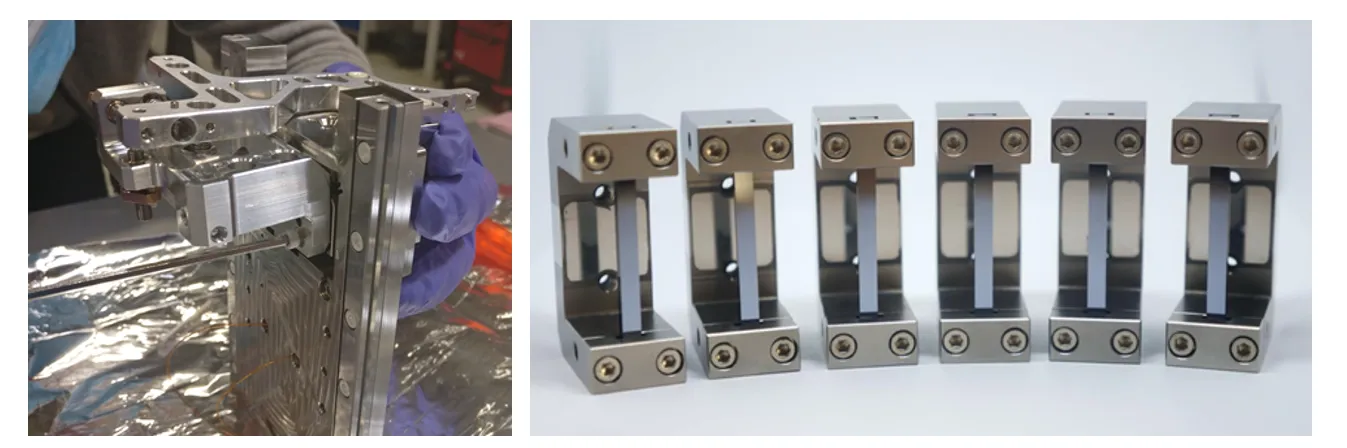
Following the recommendation of the C&SR 2019, crystal collimation was successfully integrated in the WP5 upgrade baseline as an in-kind item to mitigate schedule issues with the 11 T dipoles which have shown potential reliability issues for long-term operation in the accelerator. A detailed investigation program is currently underway to understand the root cause of…