
Tag: IHEP
-
Collaboration status in advance of Long Shutdown 3
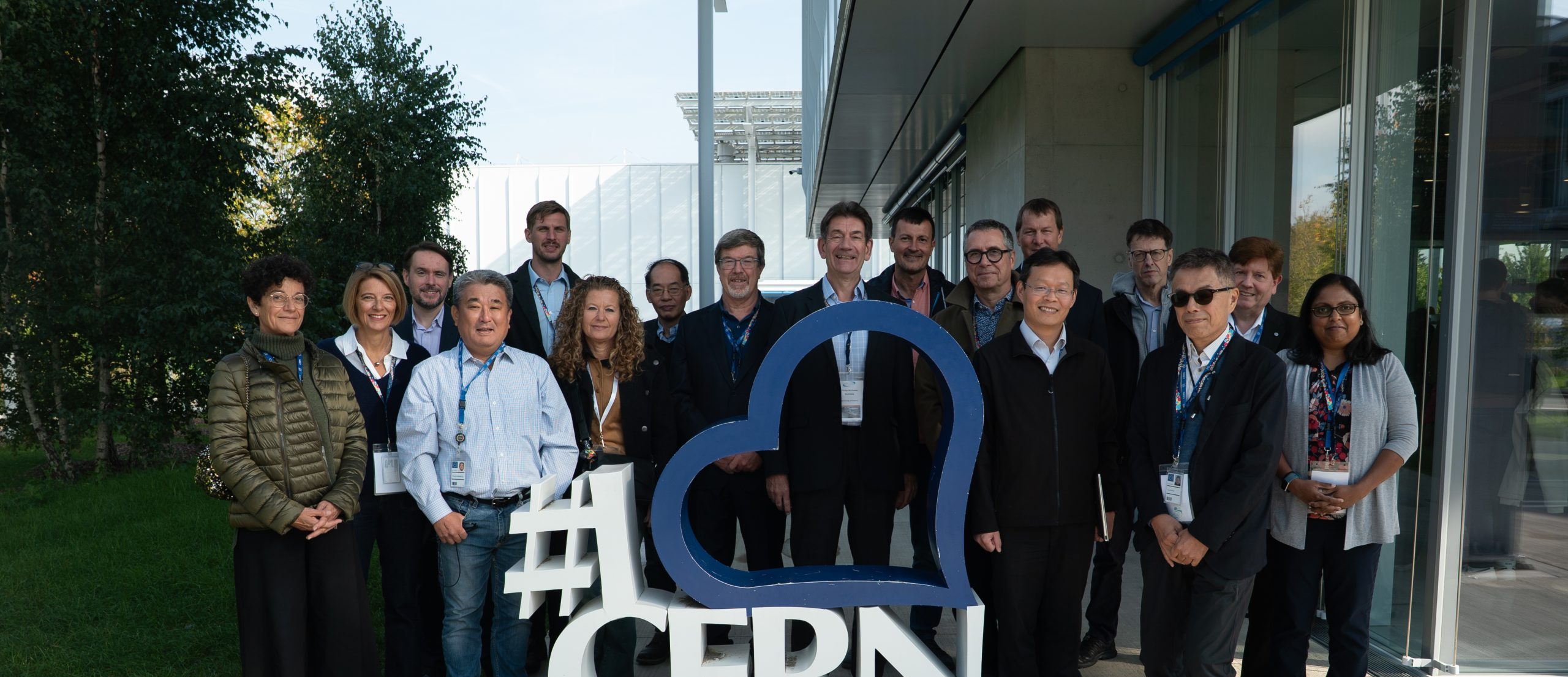
As Long Shutdown 3 approaches, delivery schedules from the collaborations are more important than ever. A collaborative effort has seen good progress across the project worldwide, including from more-recent agreements with Pakistan and Brazil. International collaborations remain a central pillar of the High-Luminosity LHC (HiLumi LHC) project. Production activities are progressing well across all existing…
-
HiLumi LHC magnet programme transitioning from fabrication to integration
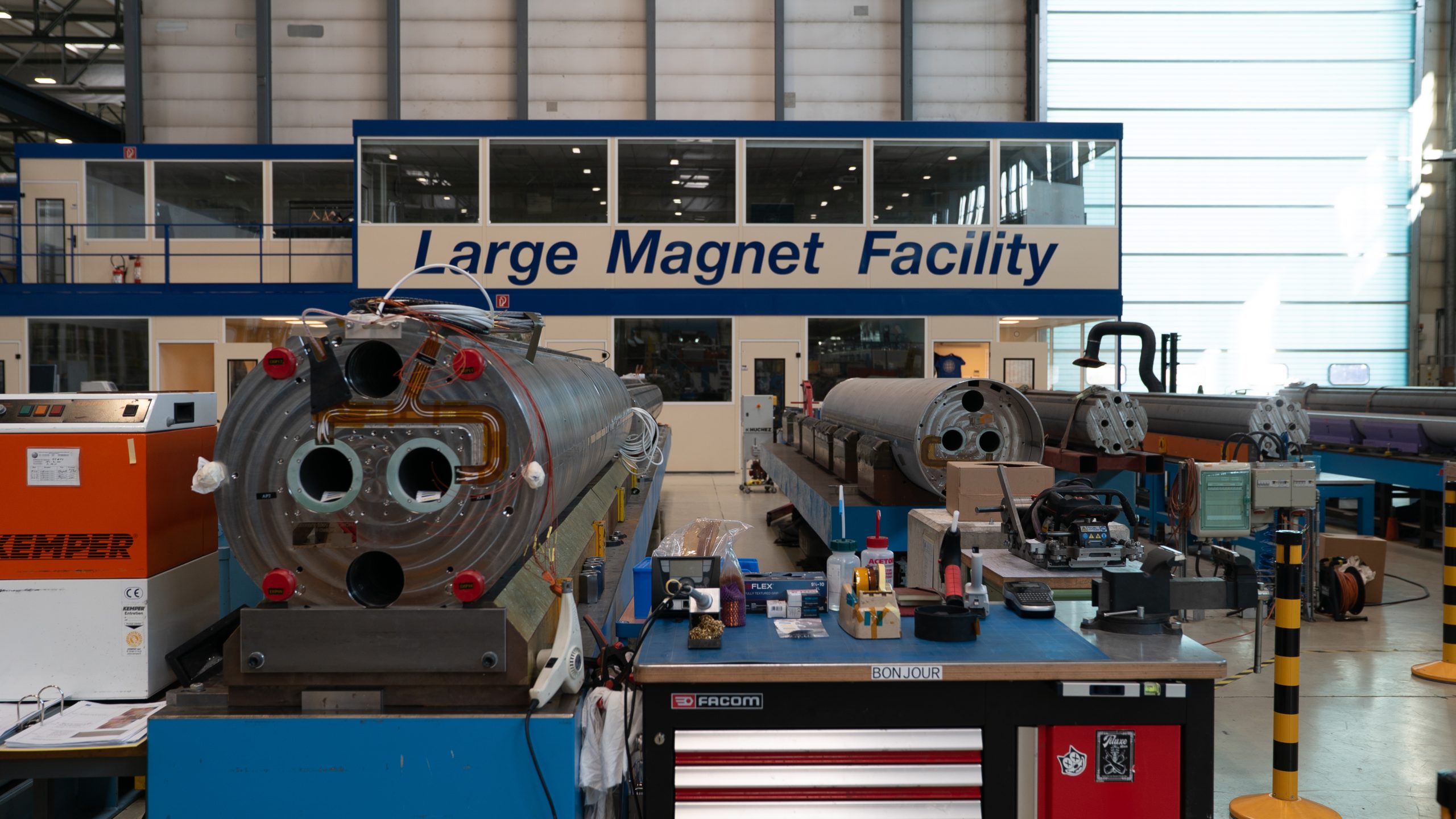
The High-Luminosity (HiLumi) LHC magnet programme continues to advance steadily across all collaborations, with major milestones reached in production, testing, and system integration. A significant highlight of the past 6 months is the cooldown of the Inner Triplet (IT) String, now at 1.9 K, with the first magnets already powered, marking an important step towards…
-
HL-LHC magnets: progress across the collaborations and at CERN
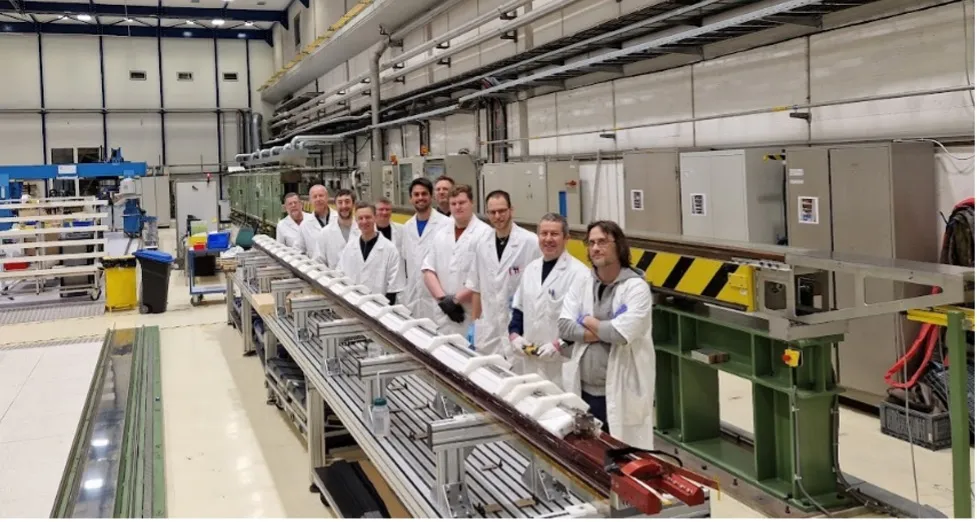
Since the last newsletter in June 2024, the interaction region (IR) magnets for the HL-LHC have reached several key milestones. One of the most significant achievements was the delivery of all cryo-assemblies to the IT String, including the DCM connection module, marking a major step forward in the integration process. With Work Package 3 now…
-
Progress of HL-LHC magnets: a collaborative effort
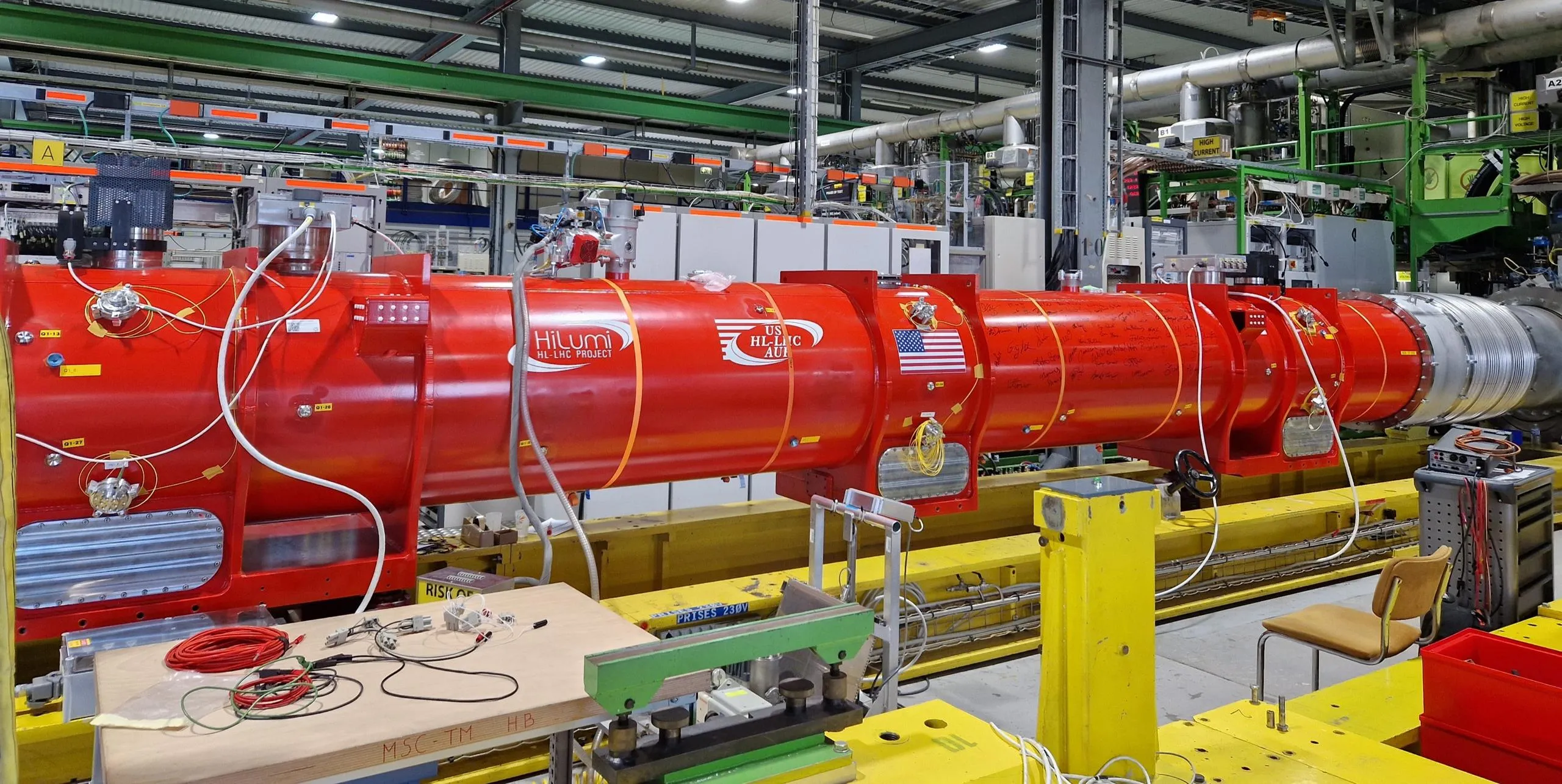
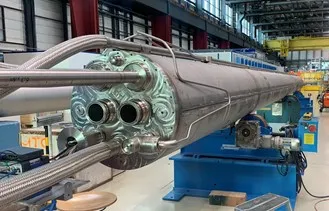
Q1 and Q3 triplet magnets – US-AUP collaboration The first cryoassembly from US-AUP was delivered to CERN in November 2023 and will be re-tested at CERN in June 2024 (see figure 1, left). Production of the second cryoassembly was completed at Fermilab (see figure 1, right) and the completed assembly is ready for the horizontal…
-
WP3 contribution
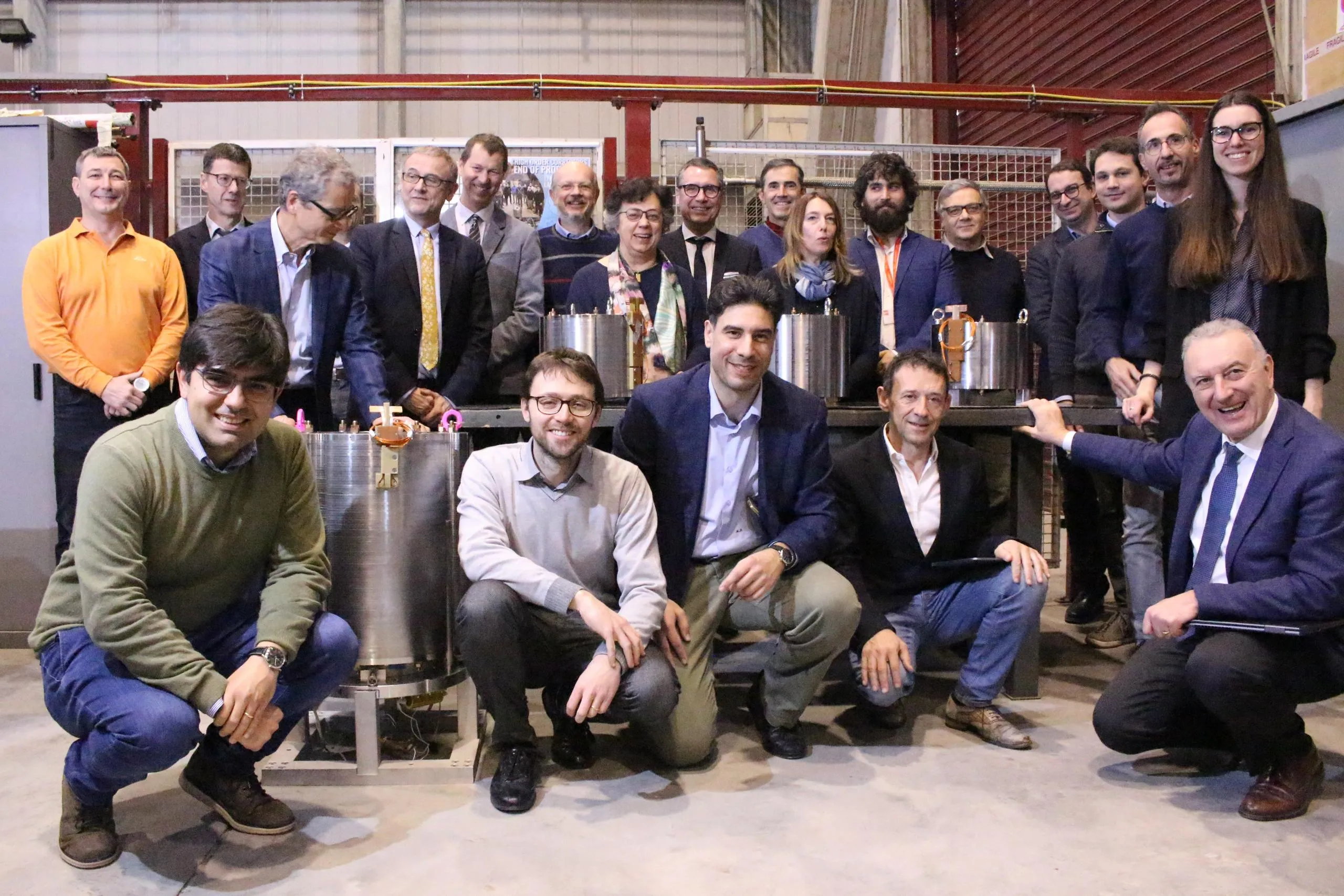
INFN collaboration: High order correctors and D2 recombination dipole The last batch of the 54 high order corrector magnets was successfully tested in LASA by the end of 2022, and all correctors have been delivered at CERN. In February 2023, a celebration was held to mark the end of the first series production of HL-LHC…
-
Overview of collaboration status
The HL-LHC collaboration office continues to update existing and put in place new agreements. Since the beginning of 2023 we have been busy updating UK Phase 1 agreements allowing for the final invoicing to take place. Many of the planned deliverables were delayed during COVID so several dates for the expected invoices and a few…
-
WP3 contribution – Issue 6
The magnet program has reached several milestones since the last annual meeting: in the following we summarize the main achievements of our collaborations. The AUP progress on the MQXFA magnets is covered in a dedicated article (link). INFN collaboration and the D2 and corrector package cold masses The production of the 54 high order corrector…
-
Implementation of crystal collimation of heavy ion beams for Run3 in absence of 11 T dipoles
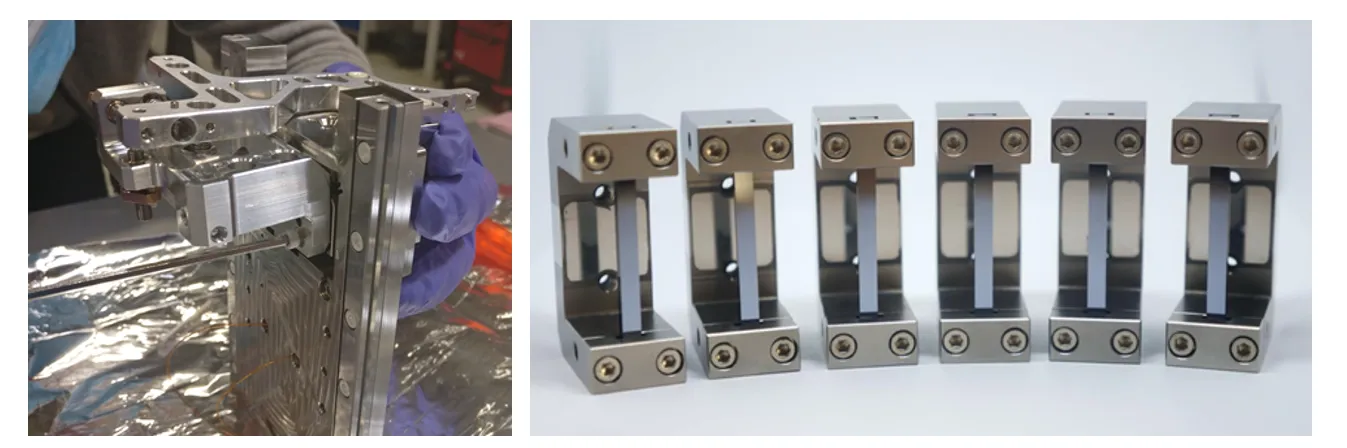
Following the recommendation of the C&SR 2019, crystal collimation was successfully integrated in the WP5 upgrade baseline as an in-kind item to mitigate schedule issues with the 11 T dipoles which have shown potential reliability issues for long-term operation in the accelerator. A detailed investigation program is currently underway to understand the root cause of…
-
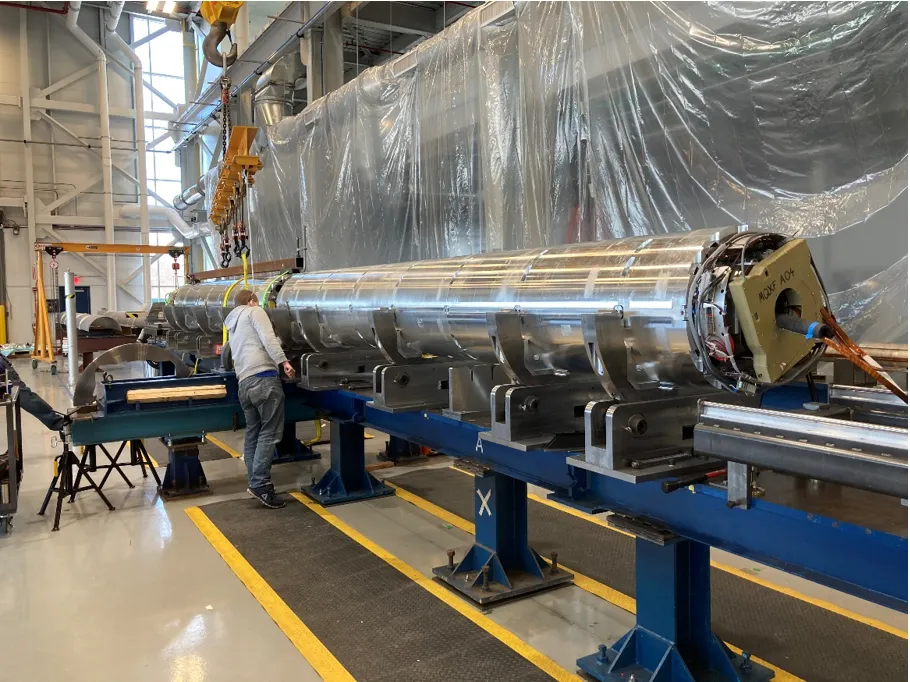
Status of MQXF production and test results
Nb3Sn triplet (MQXF) After the successful tests of MQXFA03 and MQXFA04, that allowed last year to obtain the approval of the US contribution by the DOE, MQXFA05 has been tested in May 2021. The magnet (in a vertical dewar and without outer stainless-steel shell, as MQXFA03 and MQXFA04) reached the required performance, confirming the absence…
-
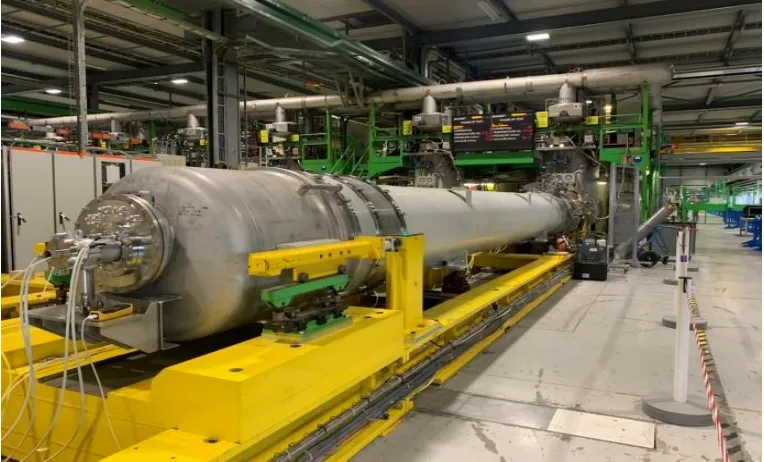
Status of Magnet Production and Test Results
Nb3Sn triplet (MQXF) The most significant advancement has been the test of the third US-AUP full size magnet, named MQXFA03. The magnet reached nominal gradient with limited training and is the first magnet ready to be included in the first cold mass to be installed in the IT-String test. The test was particularly significant since…