
Collaboration status in advance of Long Shutdown 3
As Long Shutdown 3 approaches, delivery schedules from the collaborations are more important than ever. A collaborative effort has seen good progress across the project worldwide, including from more-recent agreements with Pakistan and Brazil.
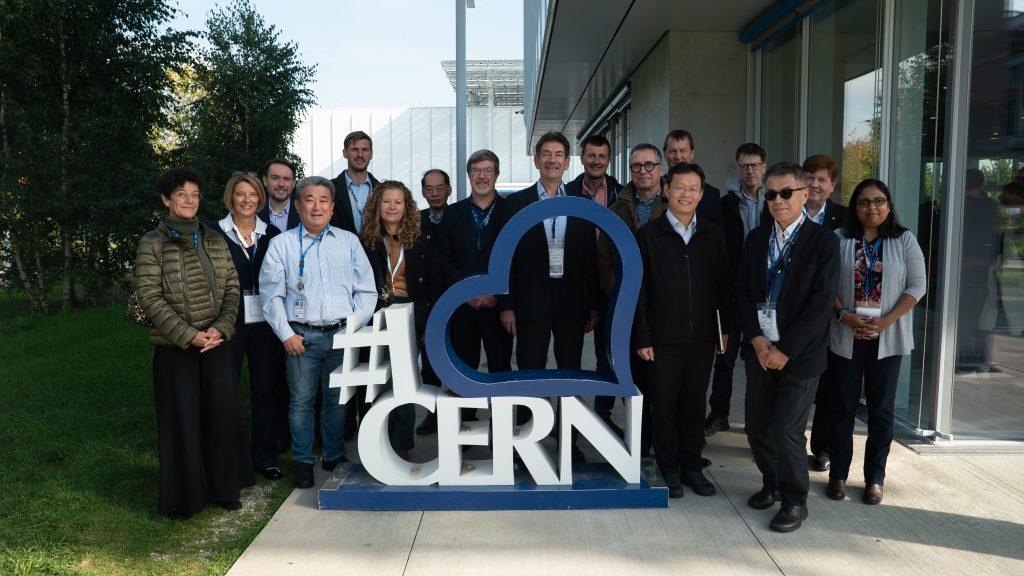
International collaborations remain a central pillar of the High-Luminosity LHC (HiLumi LHC) project.
Production activities are progressing well across all existing collaborations, with key deliverables from CIEMAT (Spain), IHEP (China), and INFN (Italy) approaching completion. With the approaching start of Long Shutdown 3, adherence to the delivery schedules of the deliverables is increasingly important, hence the progress across all collaborations continues to be closely monitored through regular Steering Committee meetings, typically held at least once per year for each collaboration.
Significant developments have been achieved through the successful collaboration with the Pakistan Atomic Energy Commission (PAEC), which concluded a Framework Collaboration Agreement with CERN in September 2025. This agreement, within the scope of HiLumi LHC Work Package 8 (responsible for the collider-experiment interface), focuses on contributions to radiation shielding components for the ATLAS and CMS experiments. The first set of components, intended for installation in ATLAS in January 2027, has been completed and is ready for shipment to CERN. A second set, comprising four TAXN absorber covers, has reached an advanced stage of completion and is expected to follow within approximately three months. Additional shieldings will be manufactured from September 2026, with expected delivery in 2027.
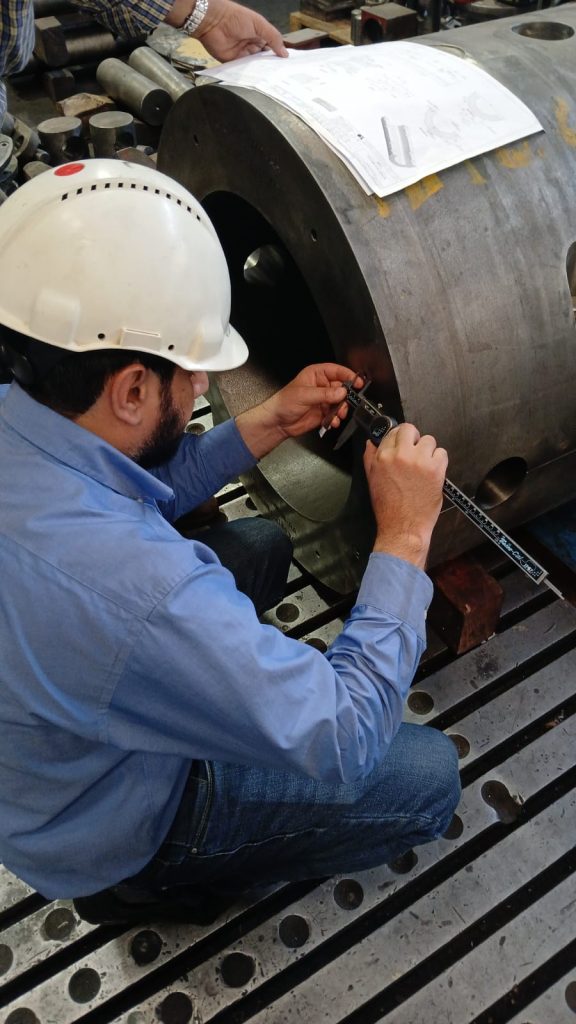

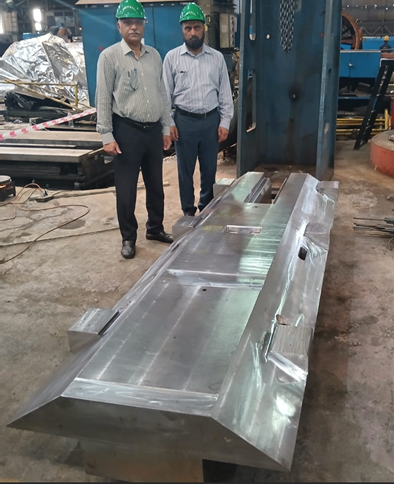
The collaboration with KEK has also progressed very well, as demonstrated by the delivery of the third D1 cold mass to CERN, and the excellent results of the powering tests conducted at KEK. An earlier cost overrun related to the final two D1 cold mass assemblies (LMBXF5 and LMBXF6), manufactured by Hitachi, has been resolved, ensuring the timely completion and delivery of the last two spare cold mass assemblies to CERN by May 2027 – a key milestone for the project.
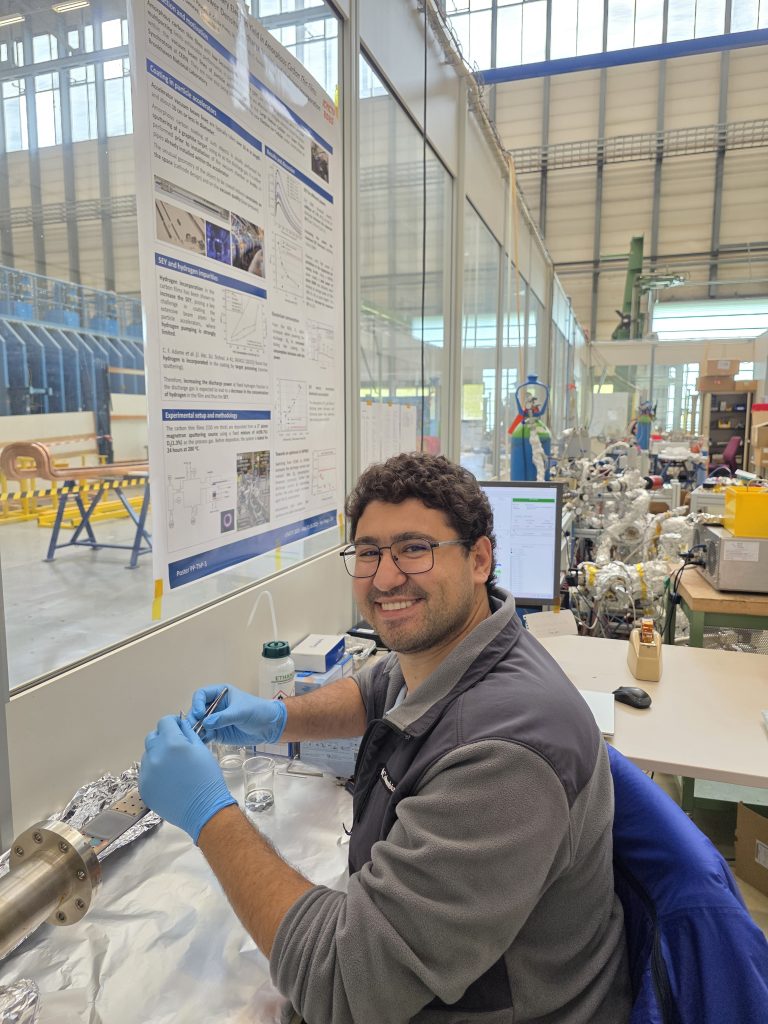
Furthermore, following the 2025 agreement between CERN and Brazil, initial secondments from the Centro Nacional de Pesquisa em Energia e Materiais (CNPEM) have commenced. Several technical engineers are currently contributing to the vacuum group – in particular for the inner triplet vacuum insulation system and thin-film technology development – and the beam instrumentation group – for the production and qualification of beam loss monitors and related mechanical design activities.
Discussions are ongoing to further extend this very successful collaboration, with a view to strengthen Brazil’s engagement in current and future CERN accelerator projects within the framework of Associate Membership.
The Collaboration Office continues to serve as the interface between participating institutes, work packages, and CERN, providing support across all aspects of the project and ensuring the continuous establishment and evolution of collaboration agreements.