
Tag: WP7 Machine Protection and Availability
-
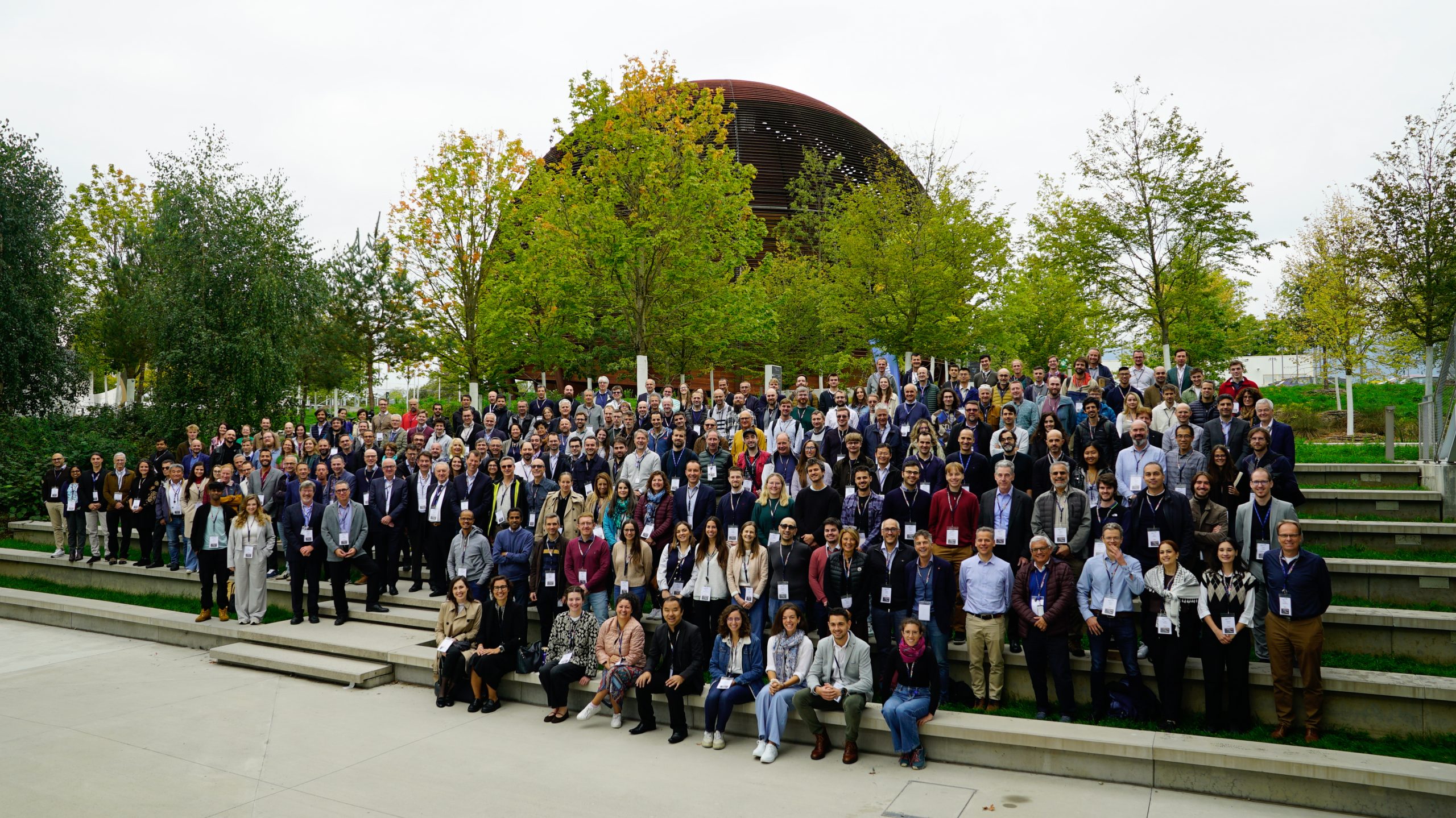
Transition to deployment phase approaching: update on project status
Impressive progress has been made across the entire collaboration, with production progress vital as we continue to progress towards deployment in the LHC tunnel. The upcoming Collaboration Meeting will be an exciting time to meet just after the start of deinstallation of the machine, to reflect on what we have achieved so far and what…
-
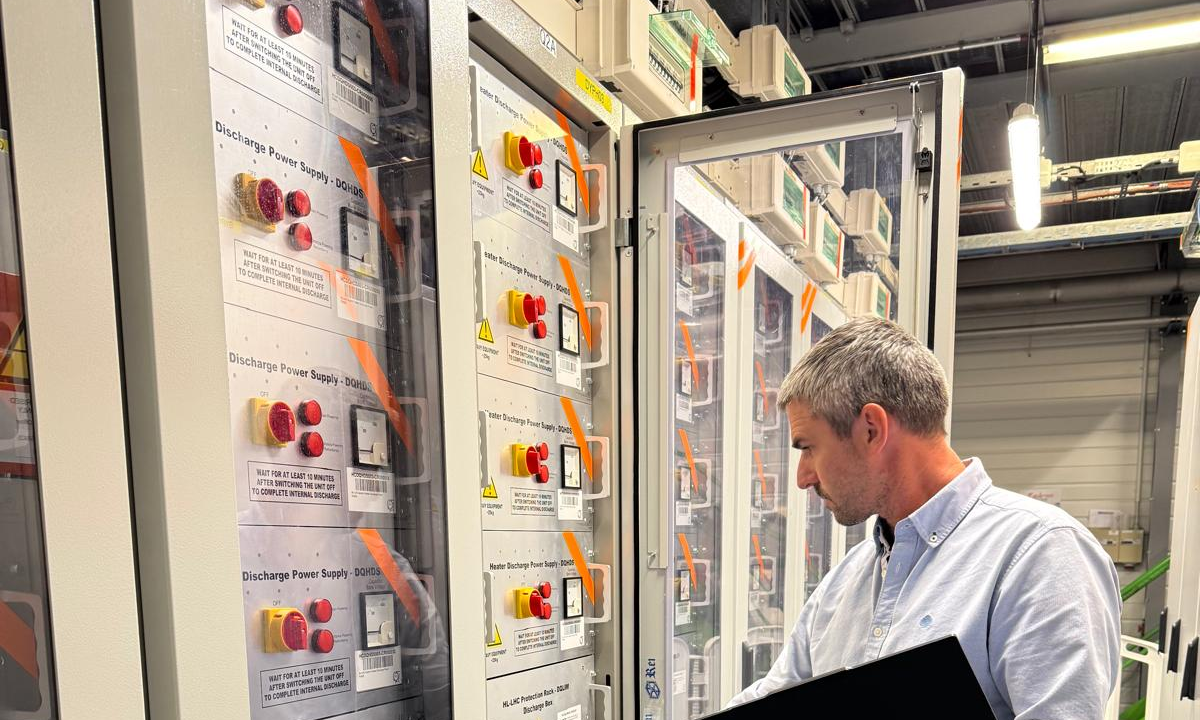
Machine protection: DQHDS series production advances as IT String tests validate HiLumi LHC protection systems
Delivery of Quench Heater Discharge Power Supply (DQHDS) units from KEK is steady, with adaptations being made in response to increased fuel costs. Testing both in Japan and at CERN, and system-level testing in the IT String offer confidence in the technology’s readiness, and for the consolidation of the individually-powered dipole and quadrupole (IPD and…
-
From Work Package deliverables to the fully integrated HL-LHC magnet circuits
By nature, HL-LHC magnet circuits span many different technical domains and teams. Two dedicated international reviews – in 2016 and 2019 – and three internal CERN reviews – in 2017, 2020 and 2023 – have helped shape the HL-LHC magnet circuits, the associated instrumentation and the constituting systems being prepared at CERN and throughout the…
-
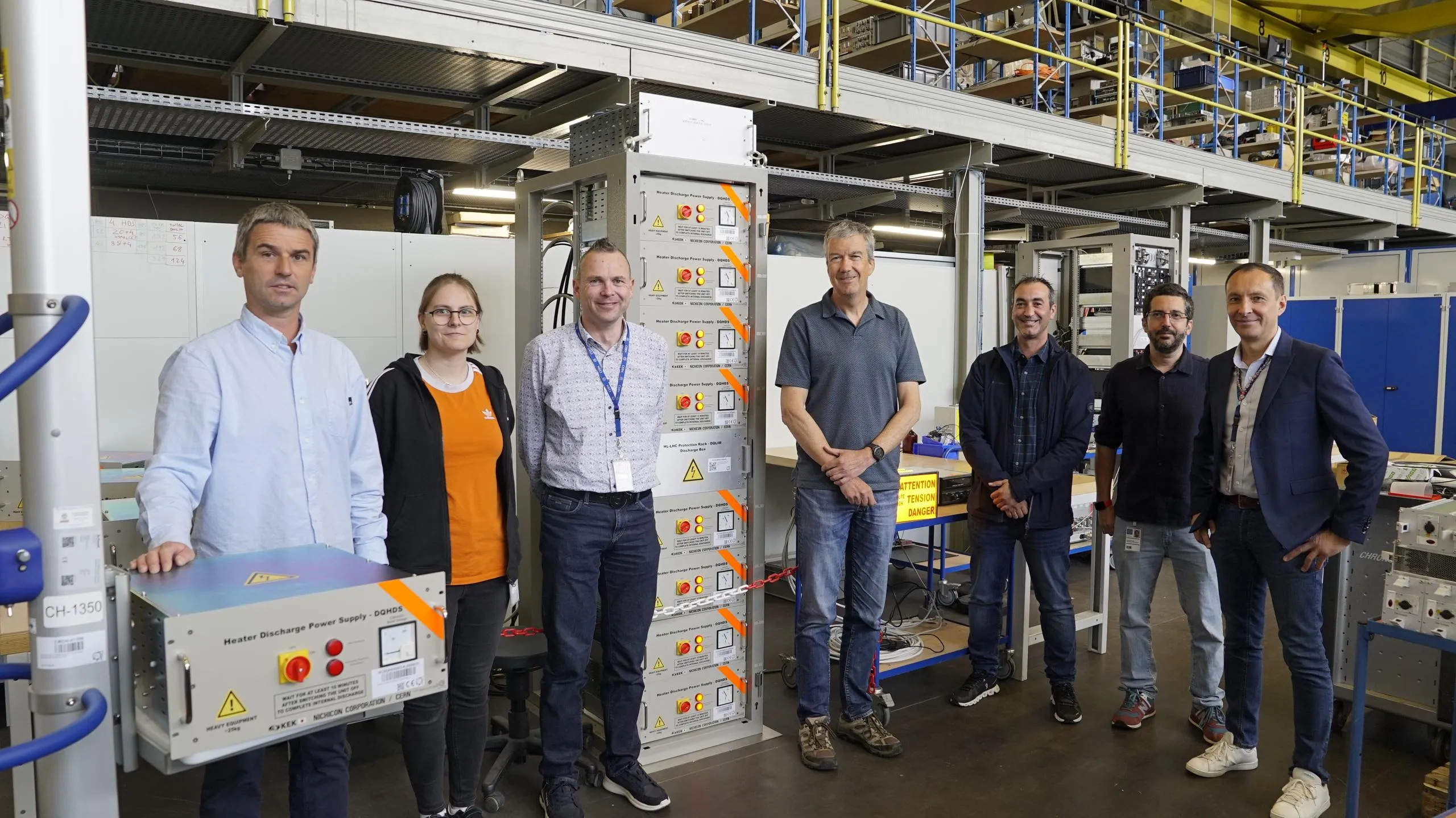
Machine protection: series-production of Quench Heater Discharge Power Supply units well underway
The first batch of 48 series-production Quench Heater Discharge Power Supply (DQHDS) units, provided as an in-kind contribution by KEK, Japan, has just arrived at CERN. These units feature a new design developed by CERN for the HL-LHC upgrade and will operate together with the Coupling-Loss Induced Quench (CLIQ) systems to protect the HL-LHC inner…
-
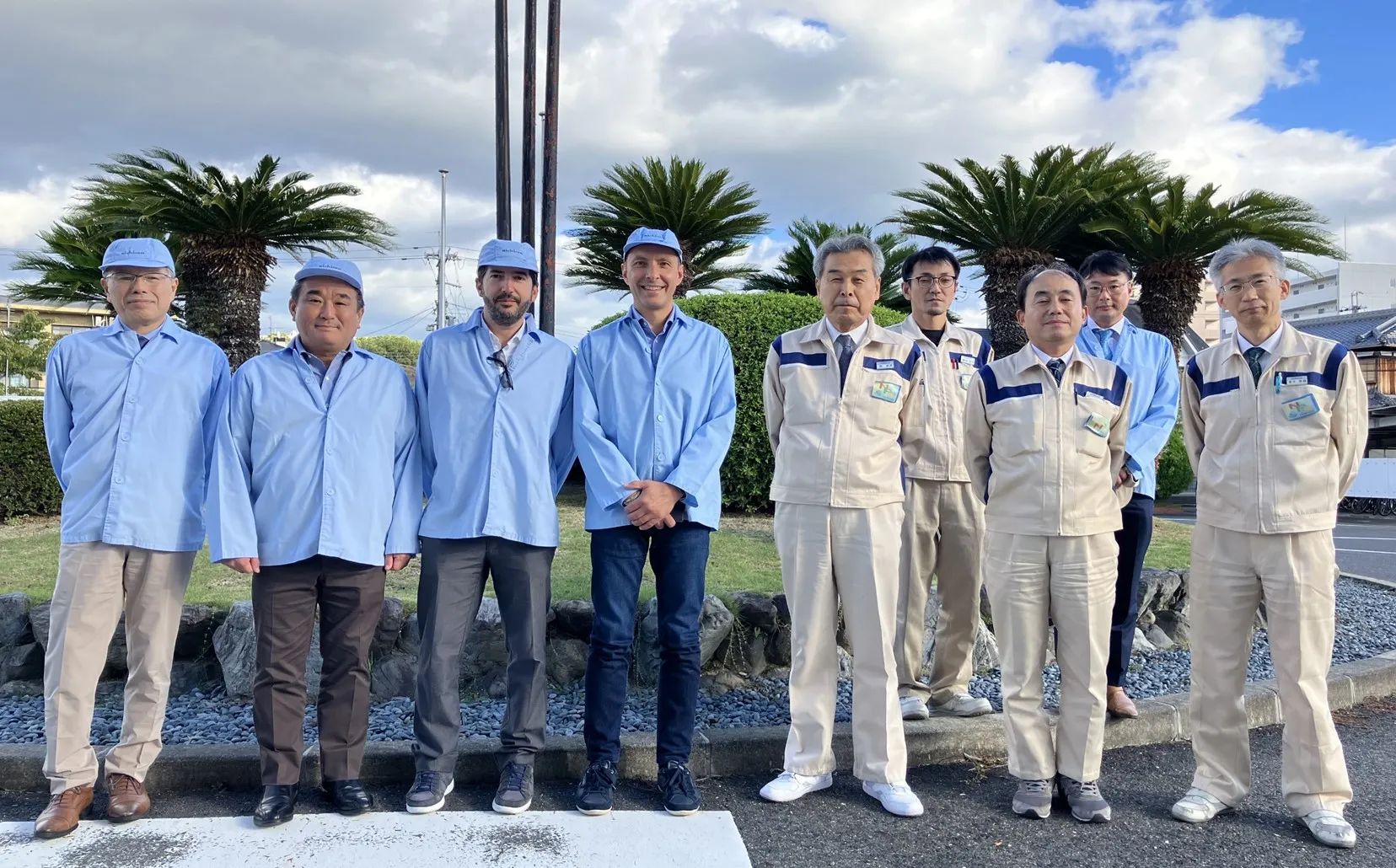
Quench heater power supplies: signature of in-kind contribution and completion of four pre-series units
The Quench Heater Discharge Power Supplies (DQHDS) are essential magnet protection devices in the Large Hadron Collider (LHC), ensuring the safety and integrity of superconducting magnets since their initial deployment in 2007. Triggered by the detection of a magnet quench (the local, sudden transition from a superconducting to normal state), these devices release energy into…