
Tag: LS2
-
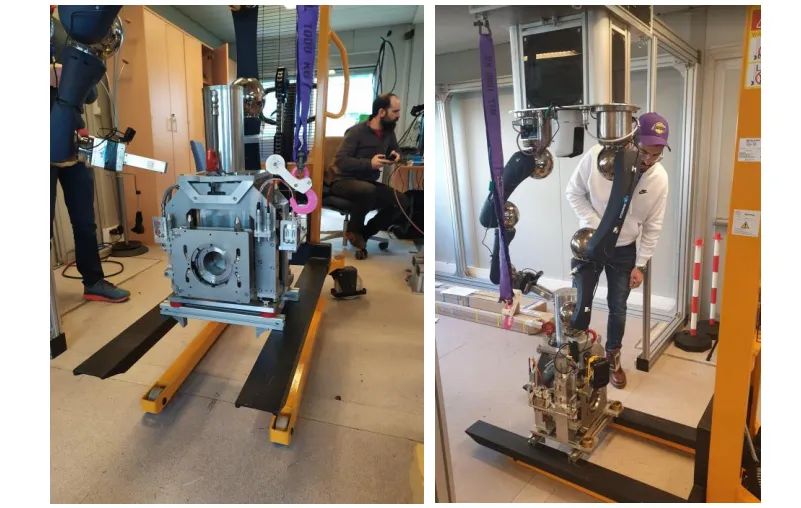
First Tests of Full Remote Handling for VAX Modules
Today’s LHC environment is subject to different radiation types, particle types and energy ranges. In particular, at the machine-experiment regions the main sources of radiation come from beam collisions at experiments and beam interactions. The 10-fold increase of luminosity (collisions in the experiments) foreseen for HiLumi will increase the radiation levels, and innovative approaches need…
-
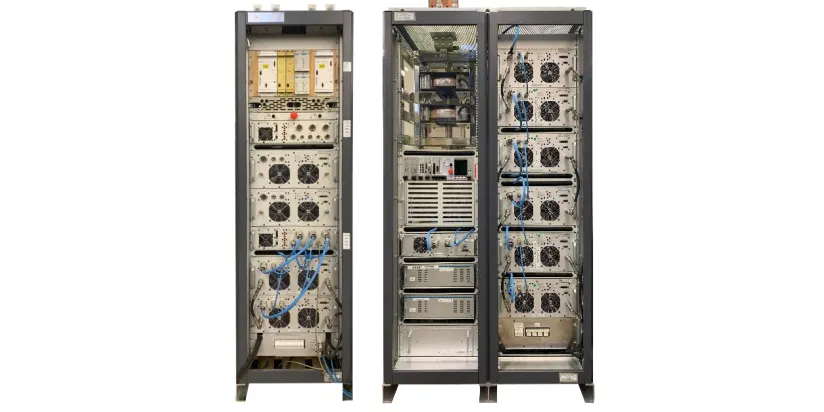
Recent Progress in Warm Powering: Making Steps towards Unprecedented Precision and Expanded Modularity
During the last year, several advancements have been made in the Warm Powering; among them some important steps towards implementing expanded modularity and guaranteeing unprecedented precision. In the LHC, to date, only 1-Q (1-Quadrant) power converters (LHC main and individually powered quadrupole circuits, ATLAS toroid) have been conceived with modularity and feature N+1 redundancy whereas…
-
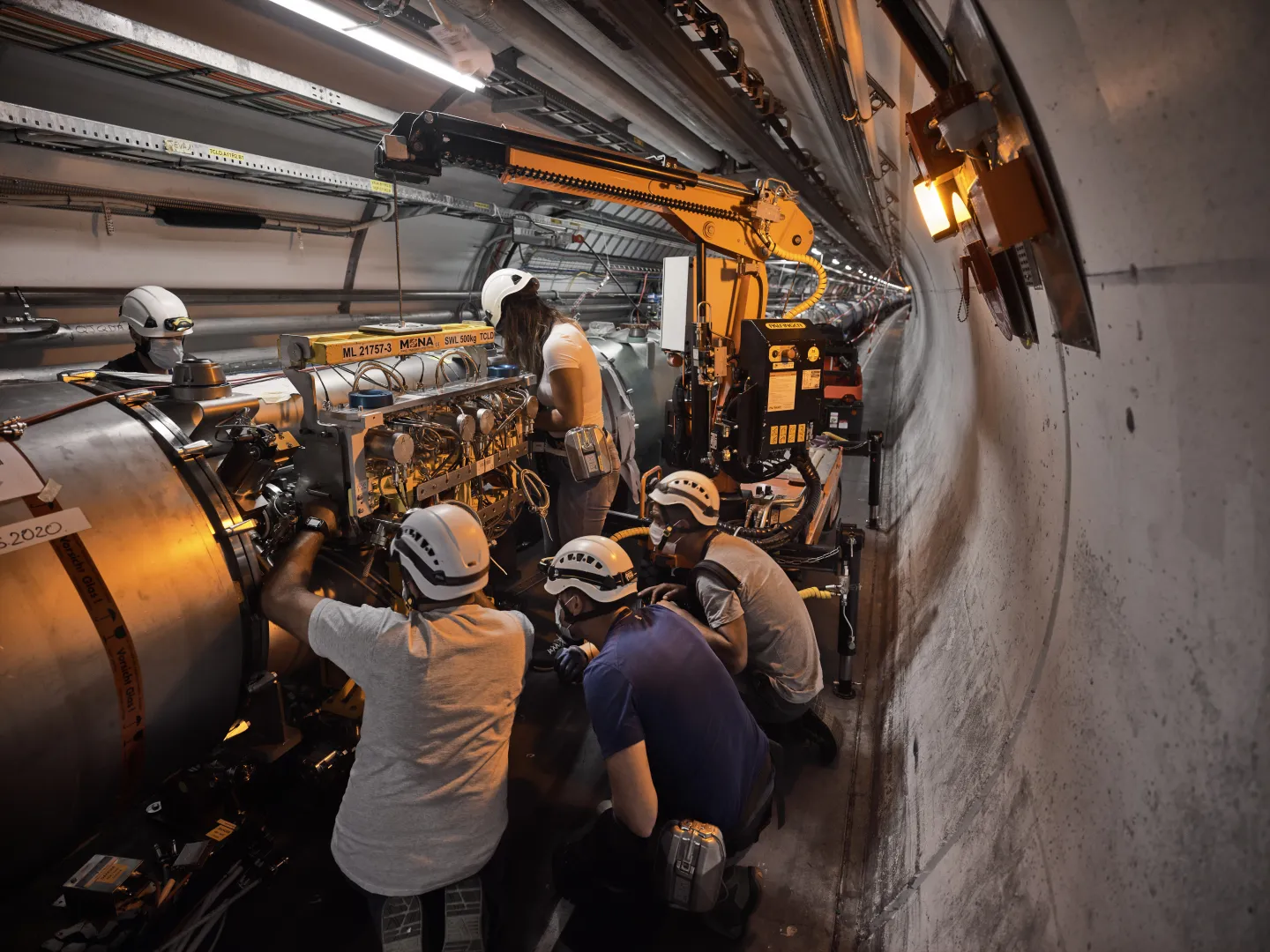
Latest News from Collimation
The HL-LHC-WP5 teams are extremely busy in LS2 because some of the key upgrades for HL-LHC will already be used in LHC Run3: In this challenging period, when most laboratories and companies were affected by the international crisis caused by the COVID-19, the companies involved in collimation production managed to continue working efficiently, though at…
-
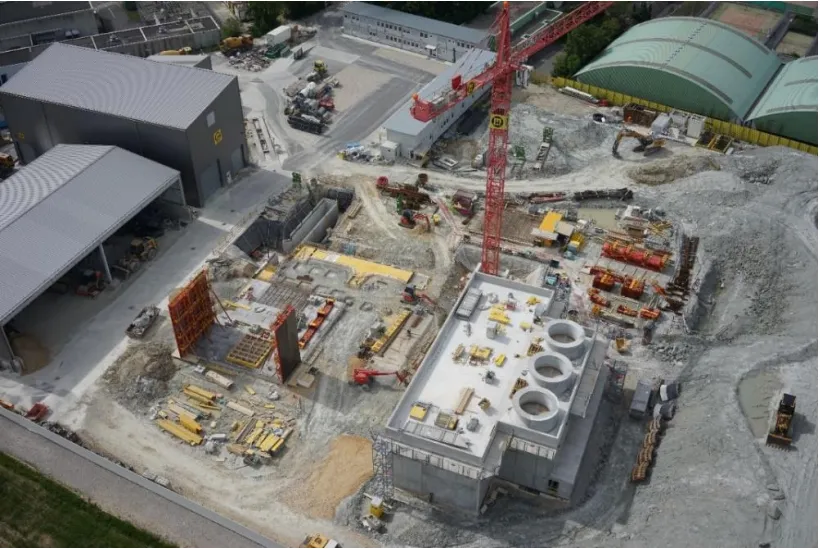
COVID-19 Impact on Schedule and Update on Civil Engineering Works
The COVID-19 restrictions have impacted the schedules of the LS2 and of the HL-LHC activities. Concerning the LS2 schedule, the hardware commissioning of LHC should be completed by March 2021 for all sectors except the S67, where the installation of the first 11-T dipole cryo-assembly is foreseen during the first quarter of 2021, postponing the…
-
Update on the HL-LHC Project Status – Issue 3
As mentioned in the closing remarks of the 8th HL-LHC Annual Meeting held at CERN (18th October 2018), the project is experiencing a mix of success and difficulties while passing from design and industrialization into construction. The most delicate point is certainly the unexpected bad behaviors of some prototypes and model magnets. The HL-LHC magnets…
-
Update on the collimator developments: first picture of the TCLD from CINEL
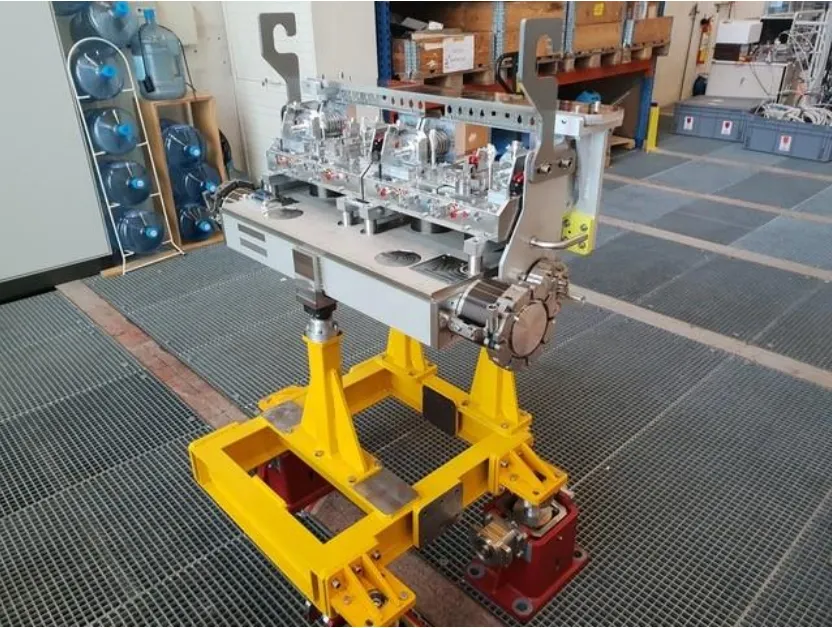
One important upgrade for HL-LHC is the installation of new collimators, called TCLD, in the dispersion suppressors next to IR7 and IR2. The TCLDs are needed for proton and heavy-ion operation to intercept particles that differ from the main beam in either energy or, in the case of ions, charge-to-mass ratio. In IR7, the source…
-
Highlights from the HL-LHC Work Packages
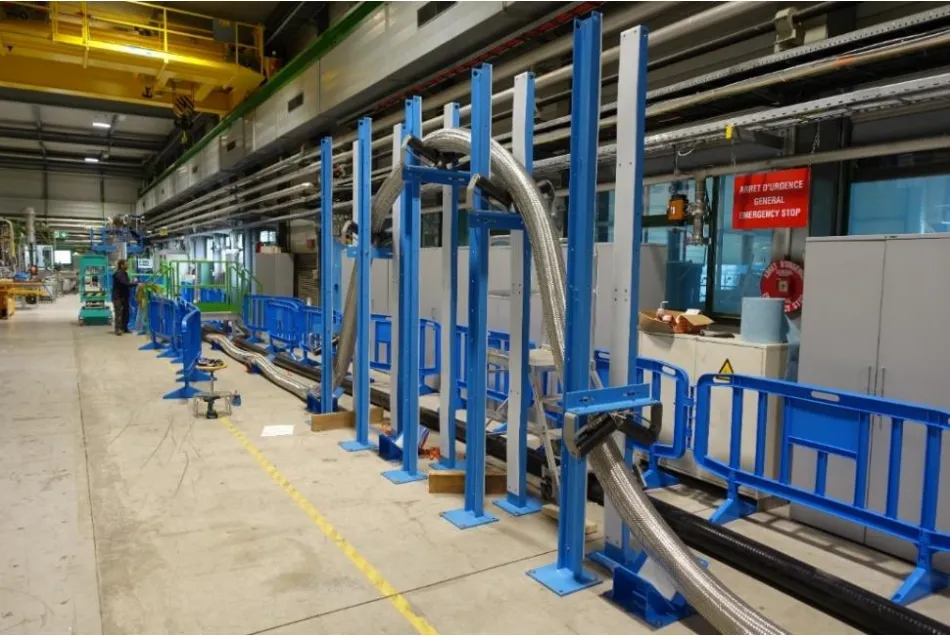
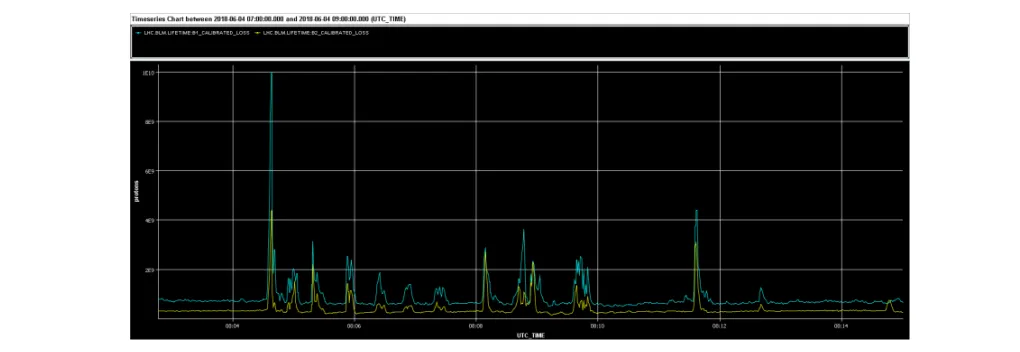
WP2: Performance and Beam Dynamics During a measurement campaign in 2017 at the LHC, it was clearly demonstrated for the first time the beam lifetime improvement due to a compensation of the beam-beam long range effects, using DC current baring wires. The measurements and design studies are continuing during 2018 for further refining of the…
-
Highlights from the HL-LHC Work Packages
WP2: Performance and Beam Dynamics Following the project re-baselining in summer 2016, the layout and optics of the high luminosity insertion regions were reviewed and the performance re-evaluated. This has led to a small but visible reduction in performance, reducing the margins available for the achievement of the nominal and ultimate luminosity targets. Optimization of…
-
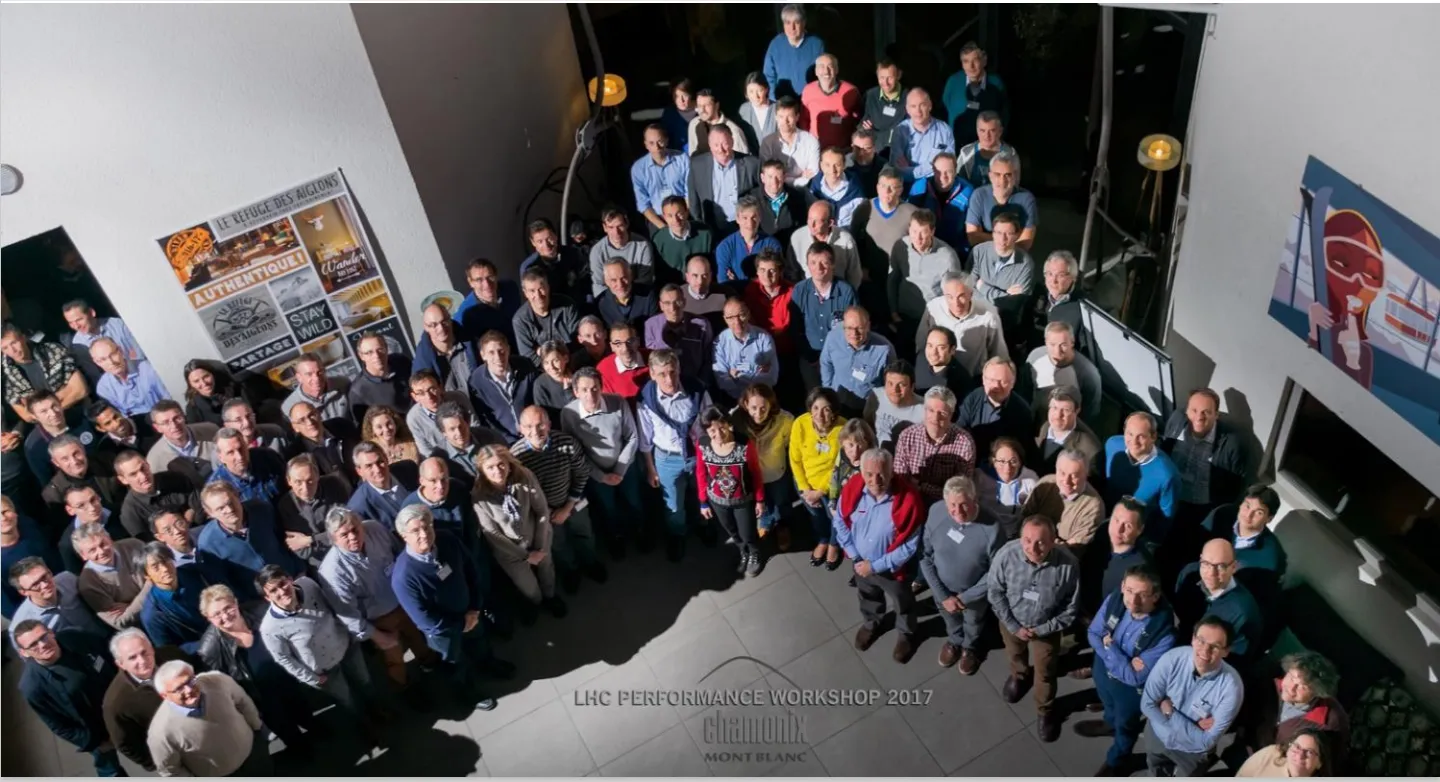
Summary on the outcome of the 2017 Chamonix and the 28th USLARP meeting in Napa in April
The 2017 Chamonix workshop featured three joint sessions between the HL-LHC and the LIU project. The main observations from Chamonix 2017 relevant for the HL-LHC project were: A complete summary of the Chamonix 2017 workshop by the CERN Director of Accelerators, Frederick Bordry, can be found here. The 28th USLARP meeting in Napa in April…