
Tag: LS2
-
LHC operational status
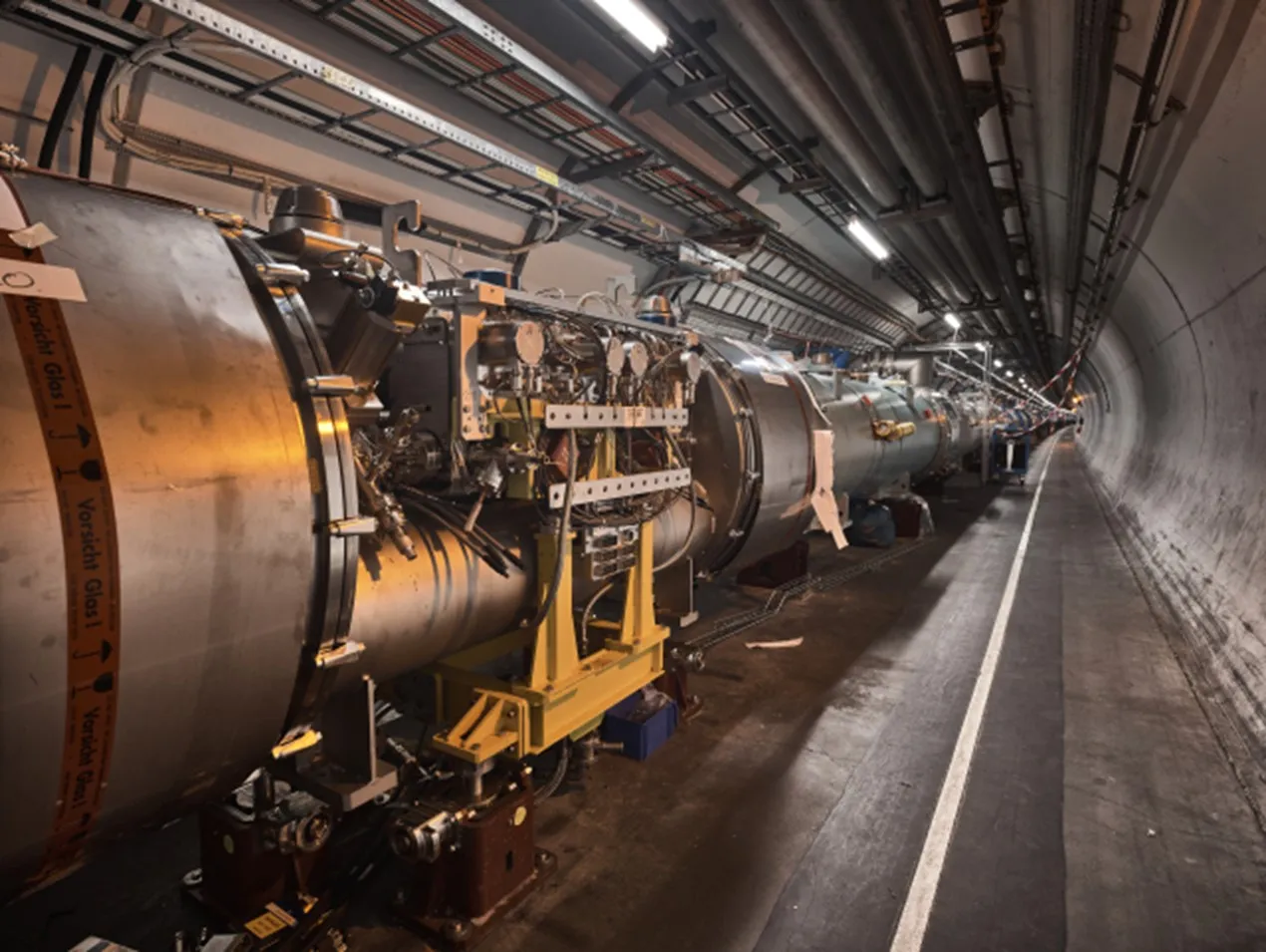
Figure 1: Photograph of the dispersion suppressor collimator (TCLD) installed in the dispersion suppressor region around ALICE. A standard 15m-long connection cryostat is replaced by two shorter connection cryostats and a bypass module that enables installation of a warm collimator. Since the restart of the LHC for its third operational run in 2022 (Run 3),…
-
Status of infrastructure installations for HL-LHC
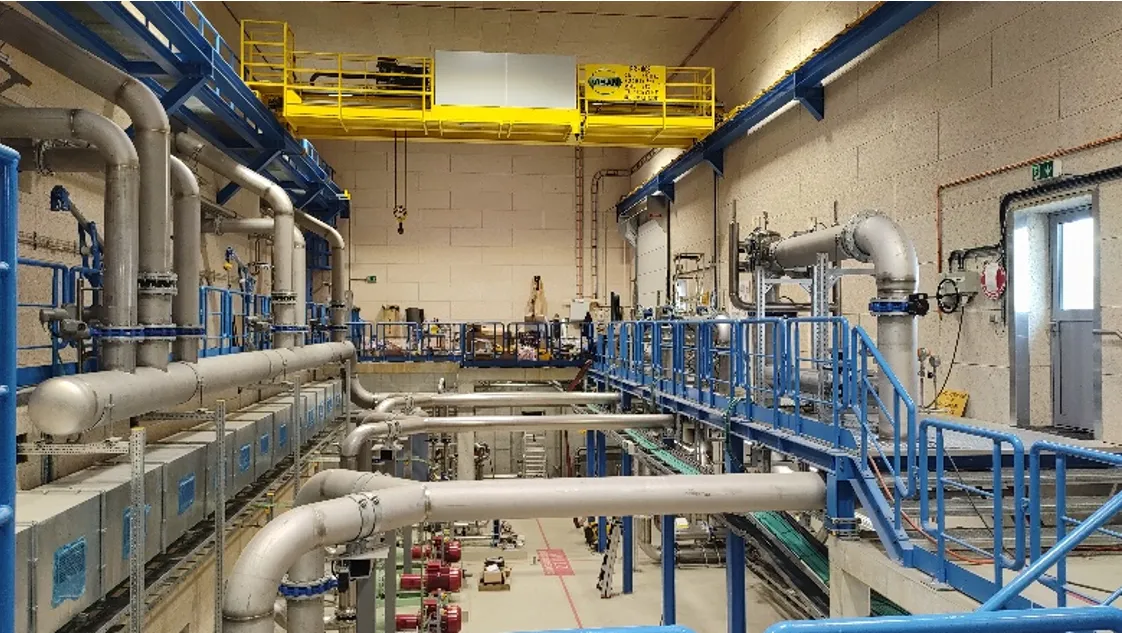
Following the handover of the civil engineering buildings and structures in the period from May 2020 until January 2023, the installation of the general services and technical infrastructures has started at the HL-LHC worksites of P1 (ATLAS) and P5 (CMS). The two worksites are in the so-called worksite Category 1 and will remain closed and…
-
Crystal collimation for the operational ion run in 2023
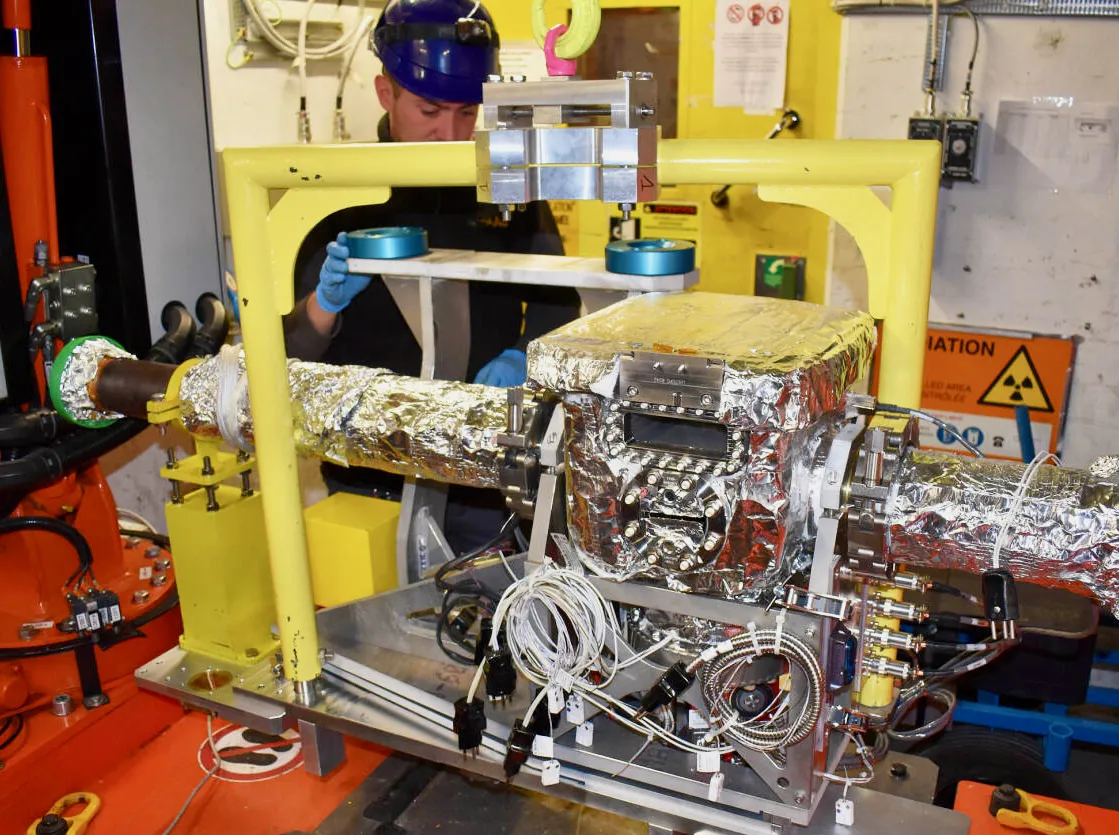
While the HL-LHC era for proton collisions starts in 2029 with the operational Run 4, the aim is to achieve the target HL heavy-ion performance already in Run 3 following the upgrade of the ALICE experiment during LS2. Thanks to the LHC injector upgrade program successfully completed during LS2, and in particular due to the…
-
First beam commissioning of the new HL-LHC collimators at the LHC
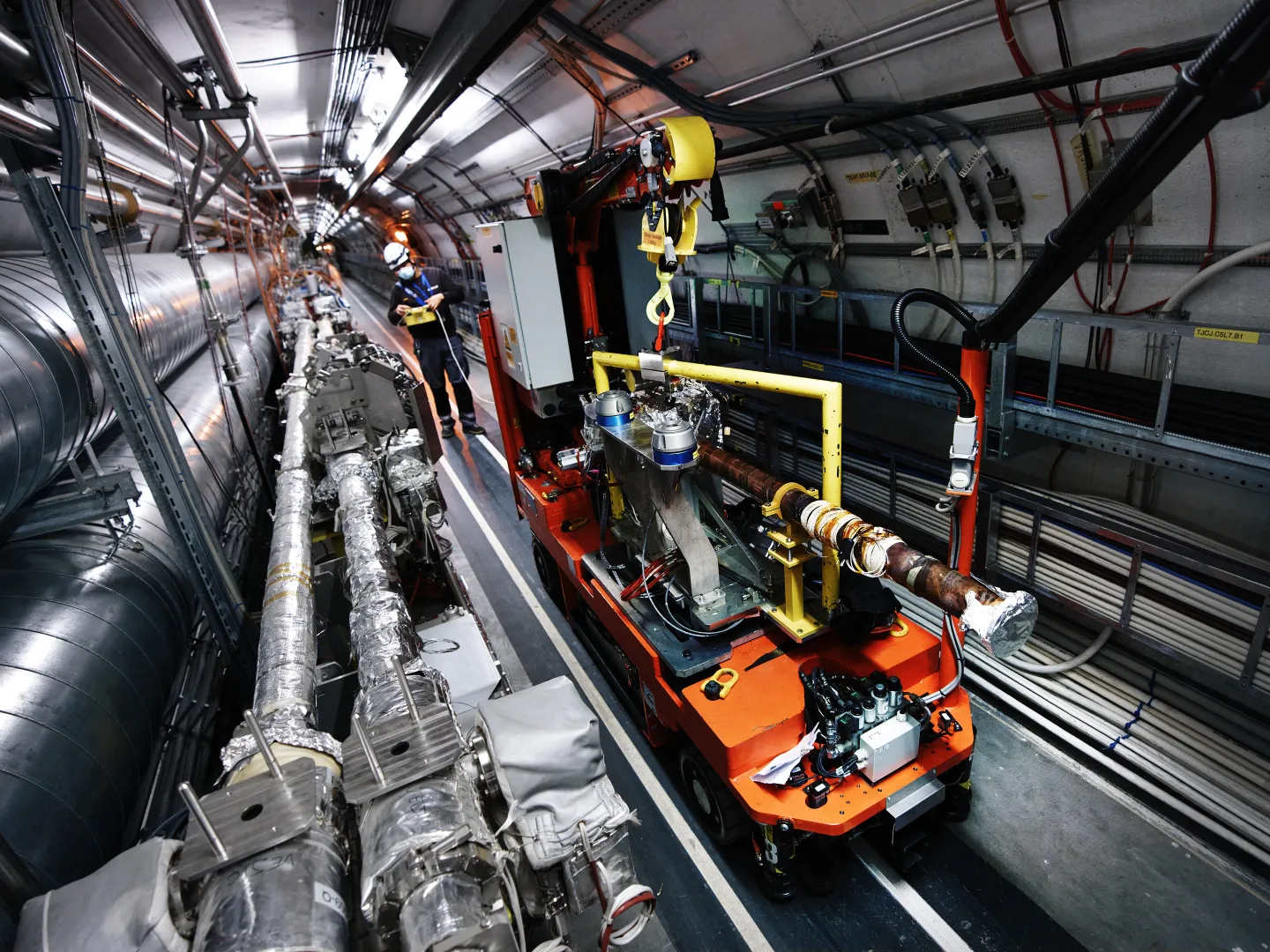
The HL-LHC WP5 activities started in LS2 with some important upgrades in preparation to the full deployment of HL-LHC in LS3. The first phase of the collimation system upgrade during LS2 involved the installation of: The updated LHC collimation system layout for the recently started Run 3 is shown in Figure 1. Primary collimators and…
-
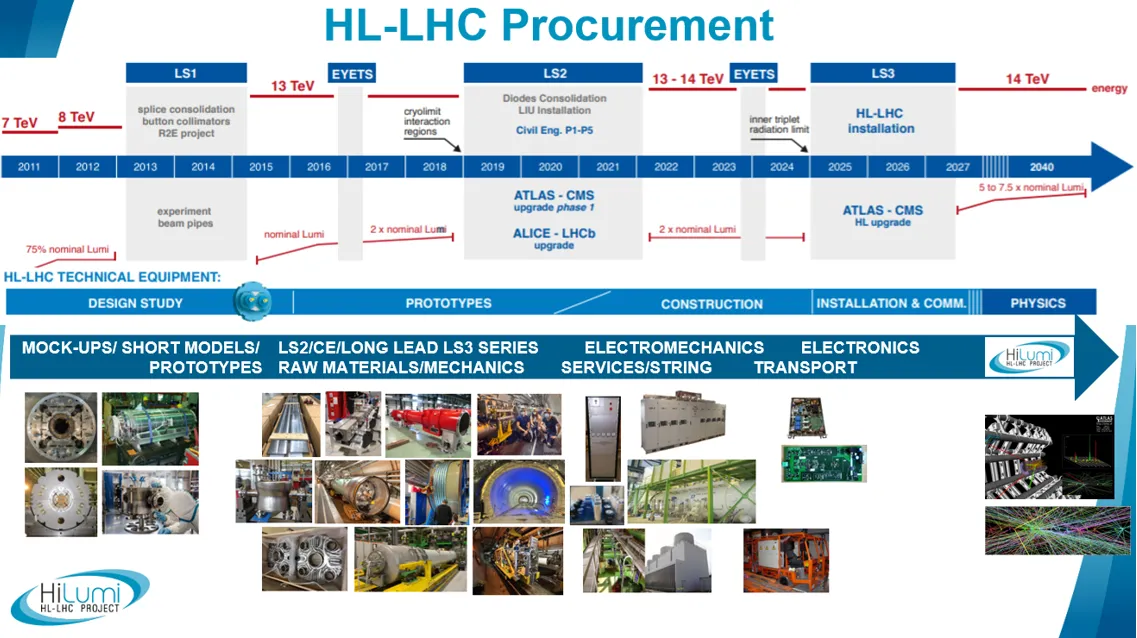
HL-LHC Industrialization
The High-Luminosity Project is nowadays in the transition from the prototyping phase into full construction mode and most of the activities in view of the series production for the HL-LHC hardware have already started. Procurement and industrialization are closely following the natural evolution of the project and are running in parallel to the project milestones.…
-
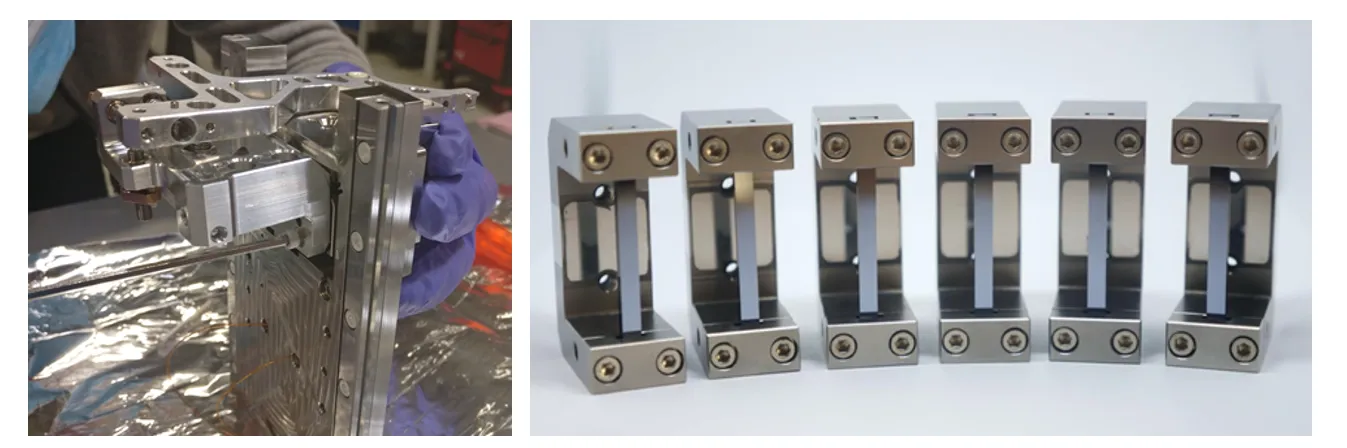
Implementation of crystal collimation of heavy ion beams for Run3 in absence of 11 T dipoles
Following the recommendation of the C&SR 2019, crystal collimation was successfully integrated in the WP5 upgrade baseline as an in-kind item to mitigate schedule issues with the 11 T dipoles which have shown potential reliability issues for long-term operation in the accelerator. A detailed investigation program is currently underway to understand the root cause of…
-
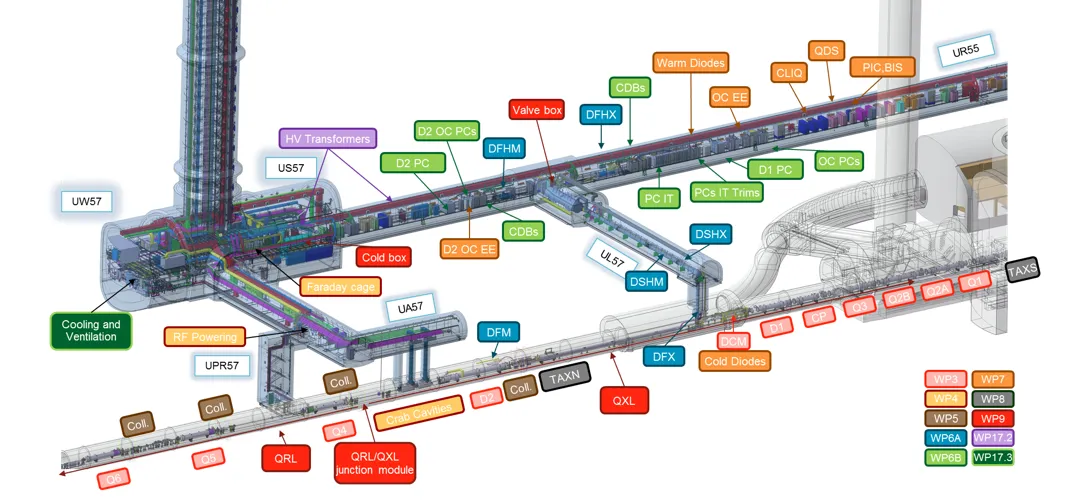
Report from the TCC
The HL-LHC Technical Coordination Committee has continued its work for the follow-up and evolution of the technical baseline of the project in a fully remote format. While the current restrictions still prohibit in-person meetings, the remote format has been allowed more active participation from all collaborators, which is an important asset for the current project…
-
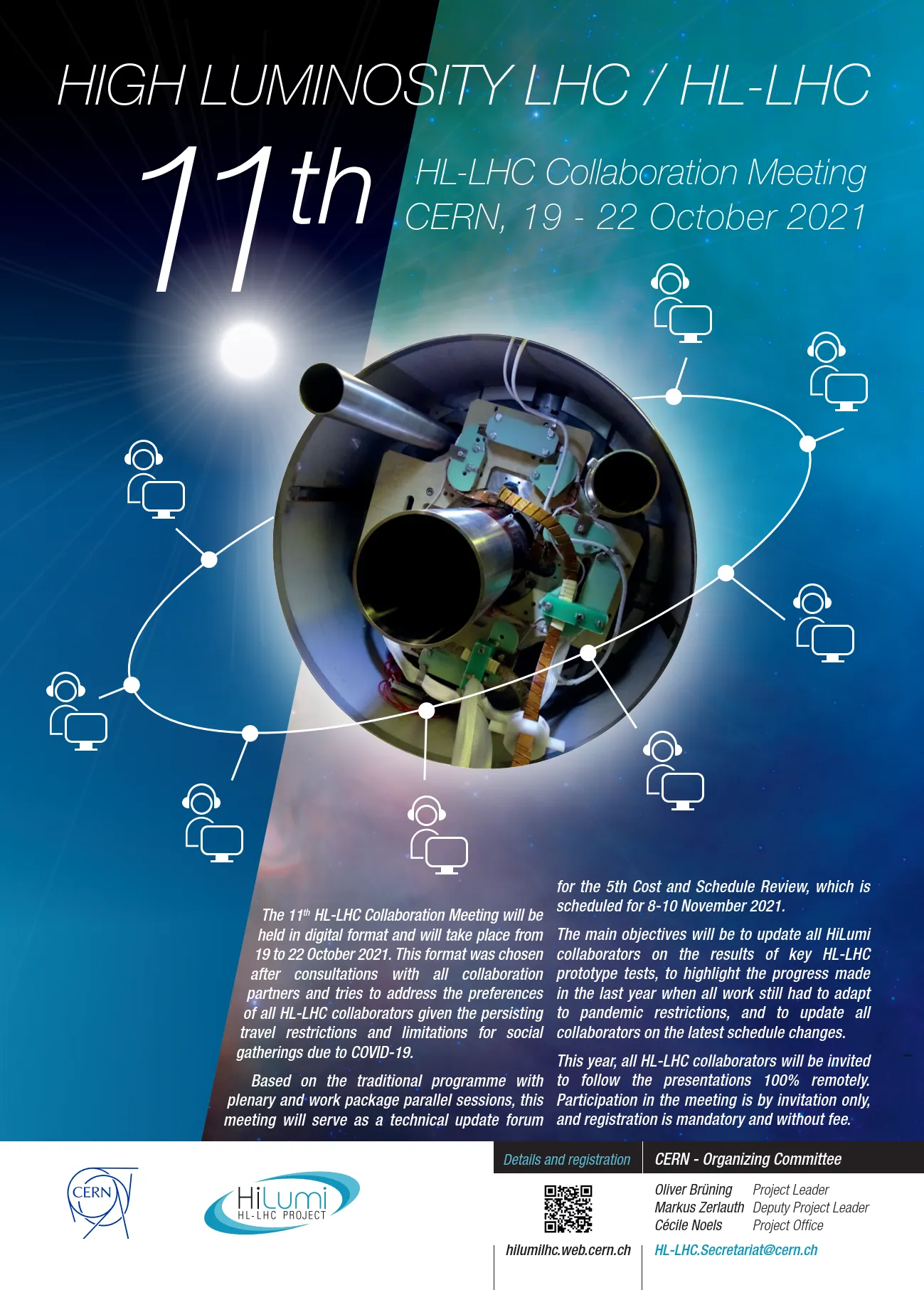
Update on the HL-LHC Project Status – Issue 5
The progress since the last collaboration meeting in October 2020 has been truly remarkable and the project successfully passed several key milestones for the project implementation in spite of the COVID-19 restrictions. Among the many achievements, I would like to highlight here the successful validation of two pre-series MQXFA triplet quadrupole magnets by our US…
-
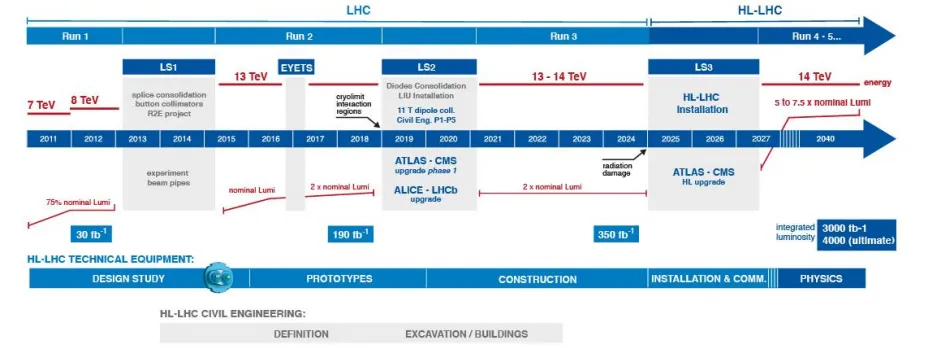
Summary of the TCC Day and New Schedule as Agreed on during November Meeting in 2019
In an effort to further enhance the communication and transparency of activities having potential dependencies in terms of schedule or resources on other HL-LHC WPs, a first TCC day was organised on 12th March 2020. The meeting was also the occasion to commonly discuss all further opportunities of descoping and to assess the consequences of…
-
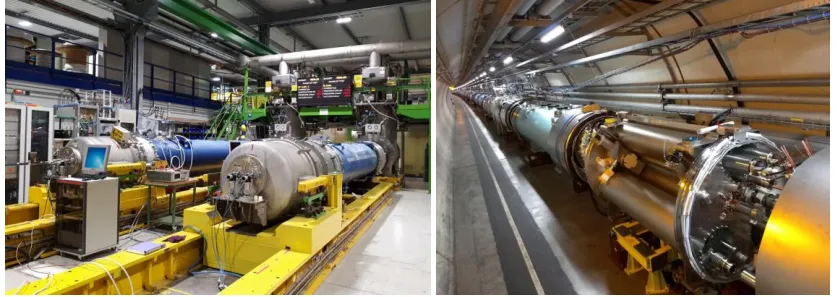
11T First Successful Magnet Tests
Since Issue 3 of the HL-LHC CB Newsletter, three of the six series magnets were tested at cold [S1, S2, and S3], and another one [S4] is ready for testing on a test bench in SM18. On the side of production, the construction of the cold mass assembly of the first spare magnet has started.…