Long Shutdown 3 incoming: installations already heating up in the HiLumi LHC galleries
Since the summer of 2025 installations in the new High-Luminosity (HiLumi) LHC surface buildings and underground galleries at Points 1 and 5, and preparations for de-installation and installation works in Long Shutdown 3 (LS3), have been progressing at a high pace.
On the surface, the installation of the cooling and ventilation systems in the SU buildings have been finalised and the underground infrastructures have been connected to the final ventilation systems. After the completion of an initial phase of infrastructure preparation activities (including installation of metallic structures, piping, and electrical supplies), the main elements of the cryogenic refrigeration system have been received and installed.
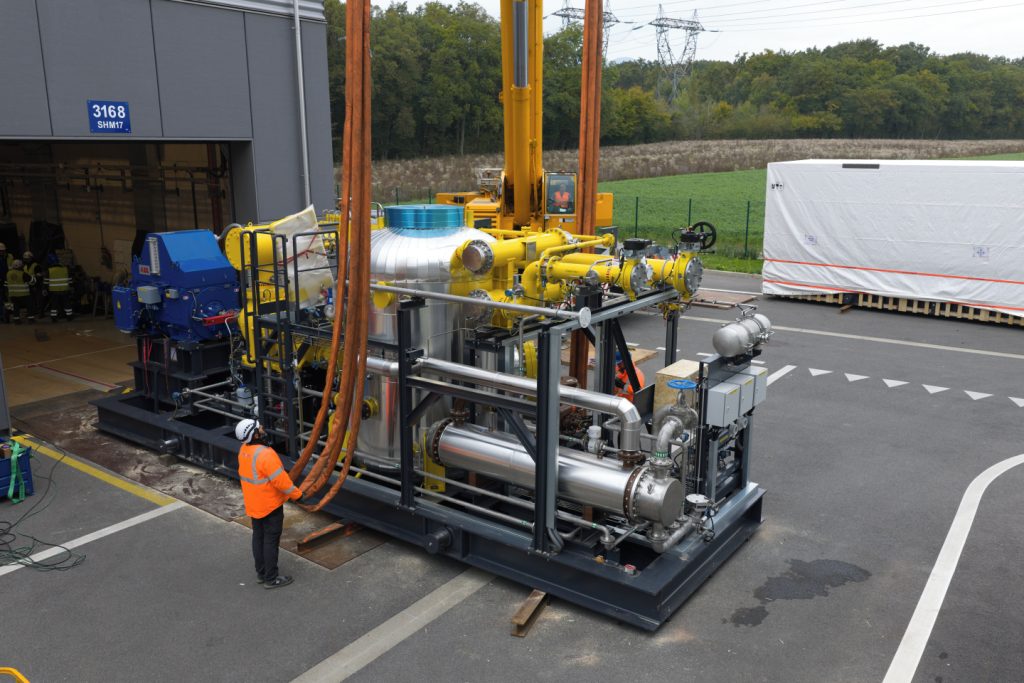
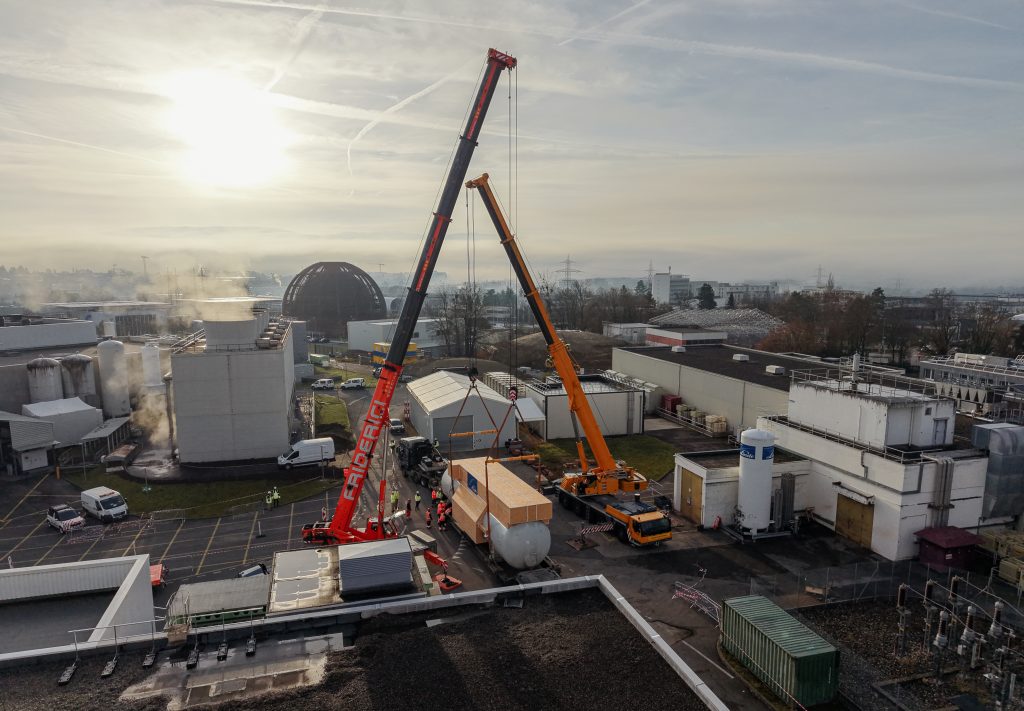
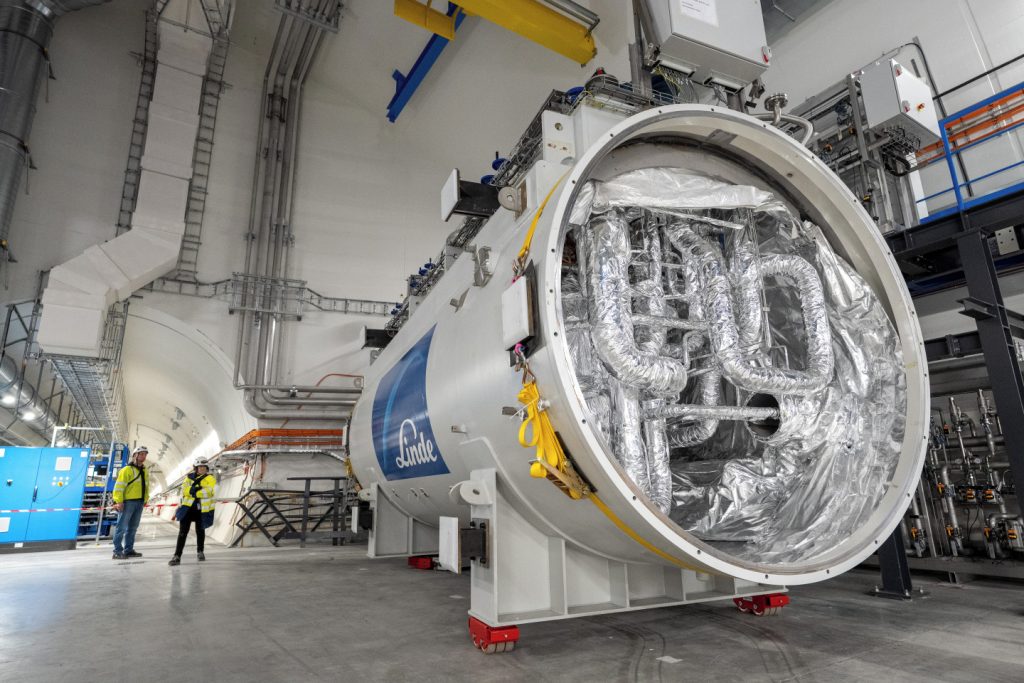
This began with the six large skids for the warm compressor stations in September 2025, followed by the two large 4.5 K surface cold boxes between December 2025 and January 2026.
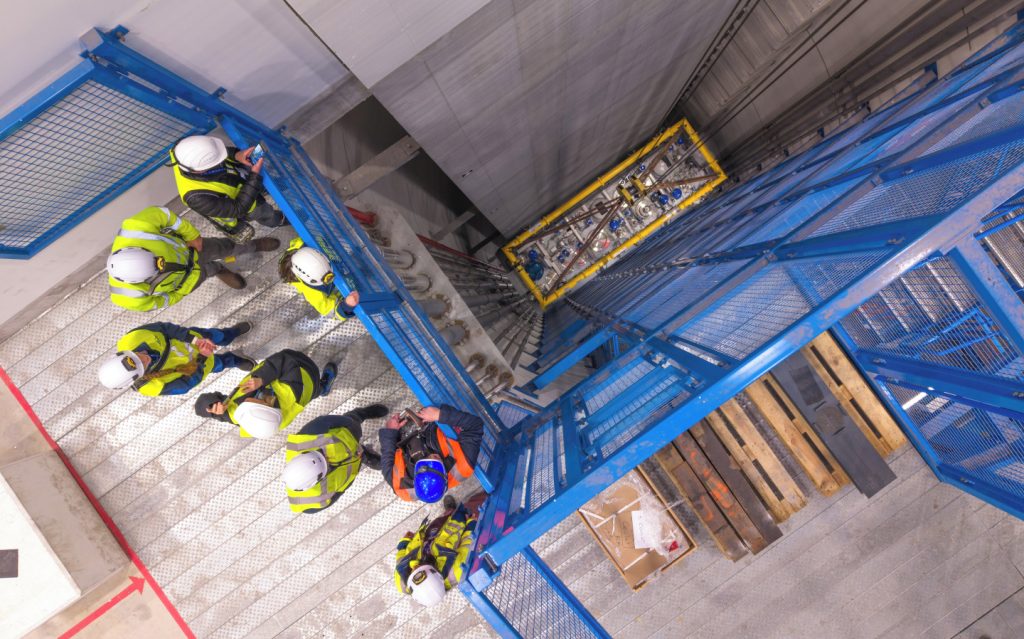
Finally, the two 1.9 K cold boxes arrived at CERN and were lowered and installed in the underground caverns (US) in January-February 2026 and the vertical lines connecting the two cooling stages, through the 70-metre-deep shafts, were completed in May.
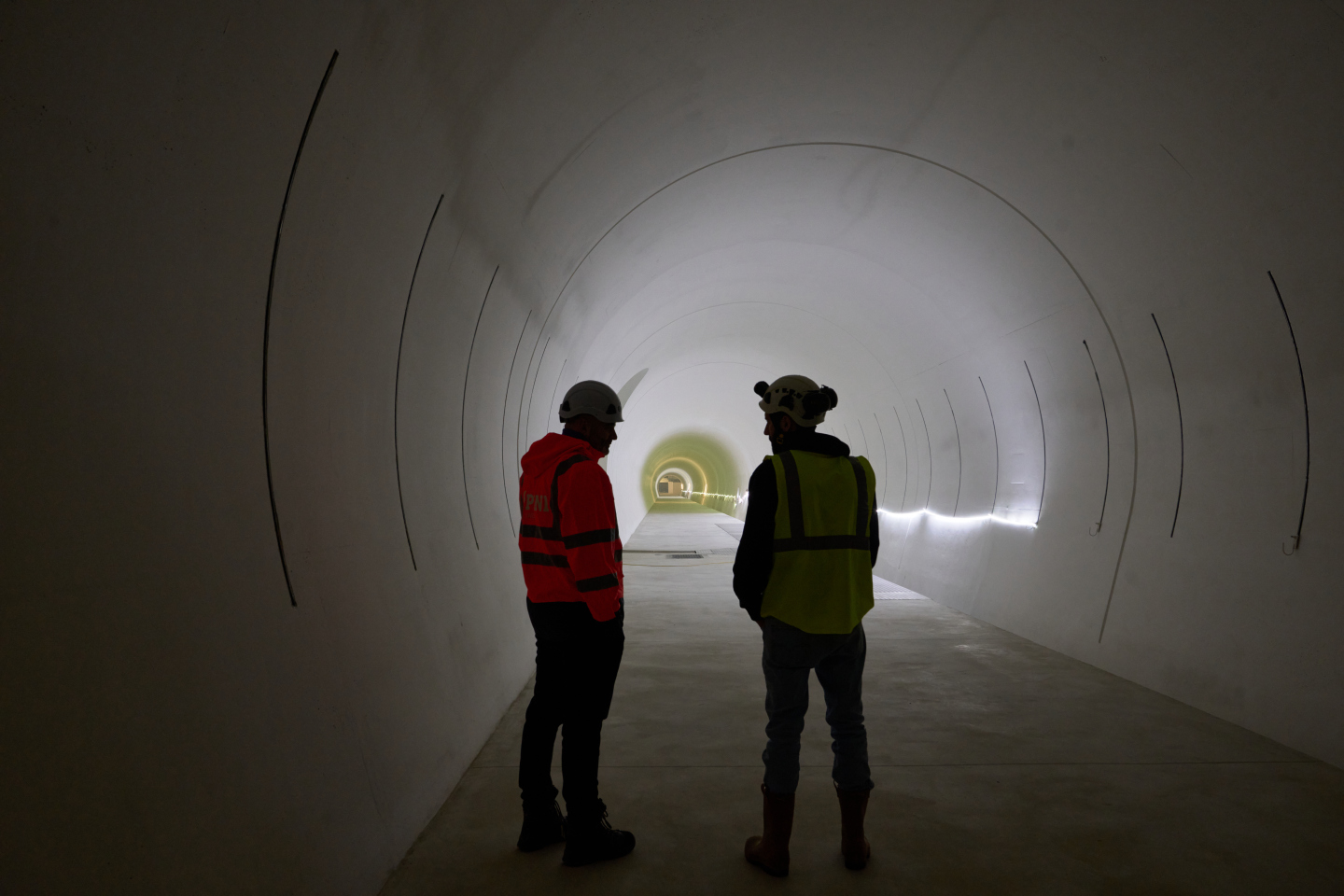
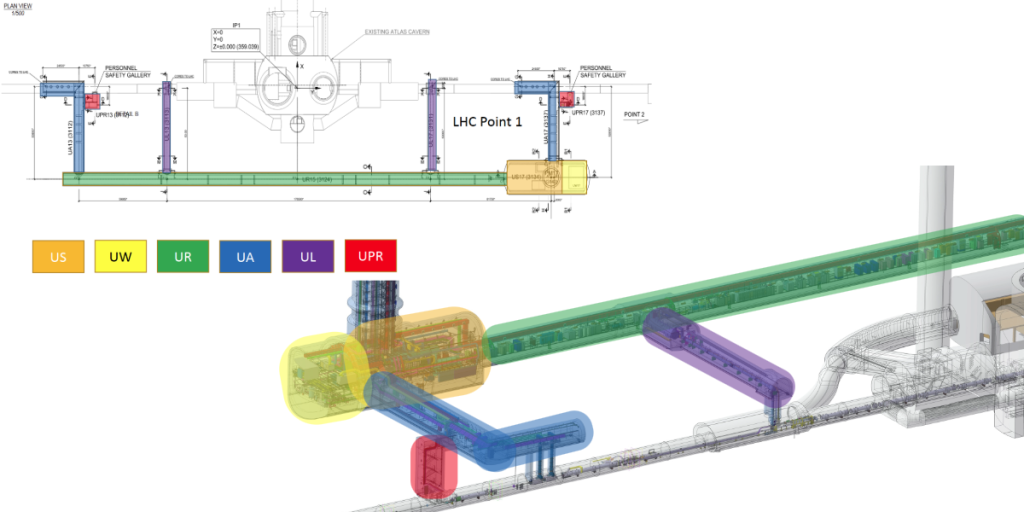
In the two 300-metre-long galleries and caverns (URs, USs, UAs and ULs) – built to host power converters, cold powering, control systems, the cryogenic distribution and all related infrastructure and protection systems – the installation of the cable trays has been completed, and extensive cable campaigns have started.
During these cabling campaigns, cables are being pulled from the control racks to patch panels placed in the UA extremity and along the ULs. This will allow anticipating part of the works, whereas during LS3, after drilling the vertical cores connecting the HiLumi galleries to the LHC tunnel, these cables will be connected to the equipment in the LHC tunnel.
The installation of the cryogenic distribution has started, with about 300 m of the lines completed. Taking advantage of the Year-End Technical Stop (YETS) of the LHC, a real, albeit partial, excavation of one of the foreseen 28 cores has been performed. A 6-metre-deep section was drilled, the lining installed and the interfaces finalised. The excavation stopped at about 1.5 m from the vault of the LHC tunnel. The test demonstrated the soundness of the technical choices made, and has provided valuable insights into the activity logistics, organisation, and duration in LS3.
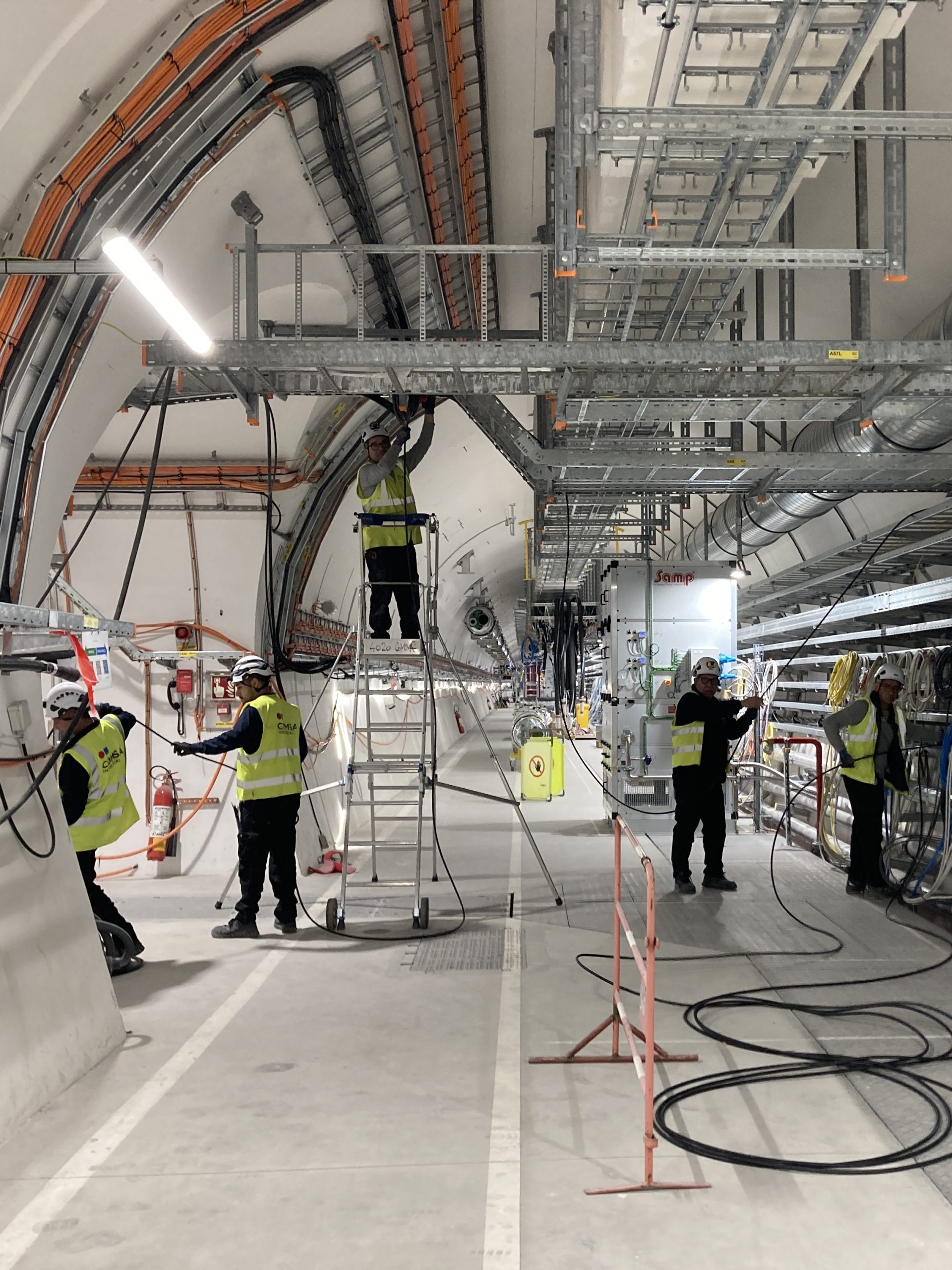
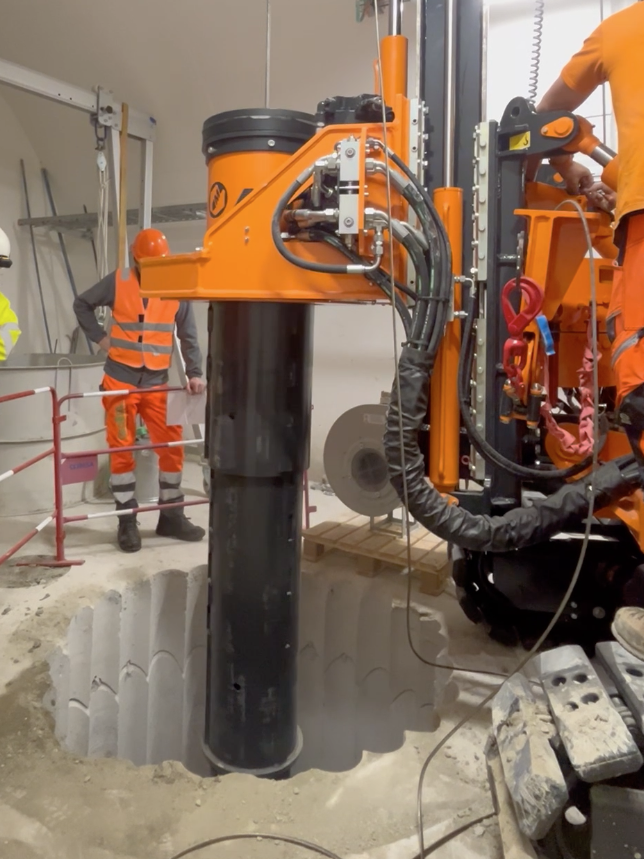
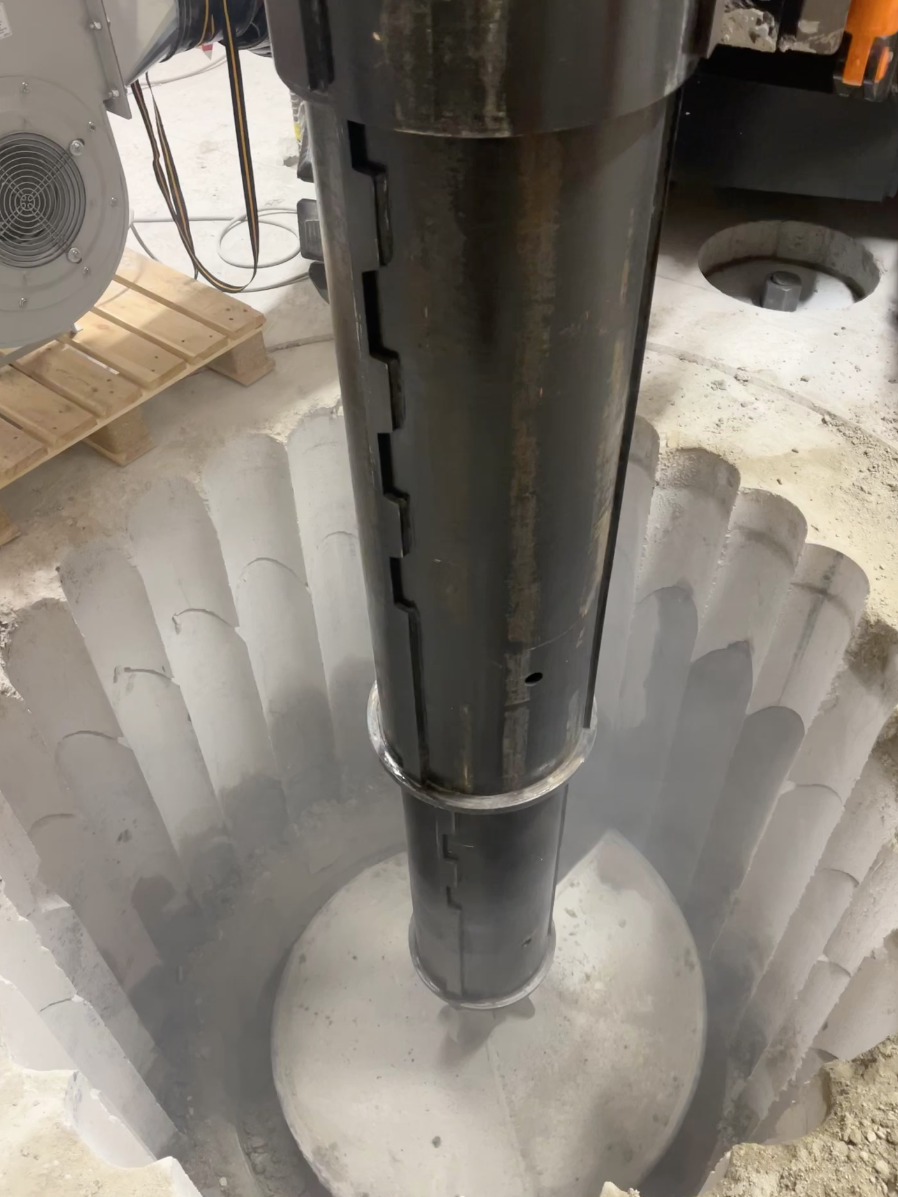
Figure 5. Cabling campaign (left), and vertical core excavation of one vertical core performed during Year-End Technical Stop 2025-2026 (middle and right, Darshana Kumari Ramrekha / CERN)
Thanks to this test, it has also been possible to reduce the risk margin taken in the LS3 schedule, leading to a gain of two weeks which have been allocated to activities related to the cryogenic line installation (QXL). In-depth analysis of QXL installation has highlighted the need to reduce co-activity during its execution, requiring the allocation of more time to tasks like the support installation. The project has been consolidating the QXL production by re-distributing the equipment assembly among three newly selected suppliers to preserve the installation dates presently set in the LS3 schedule.
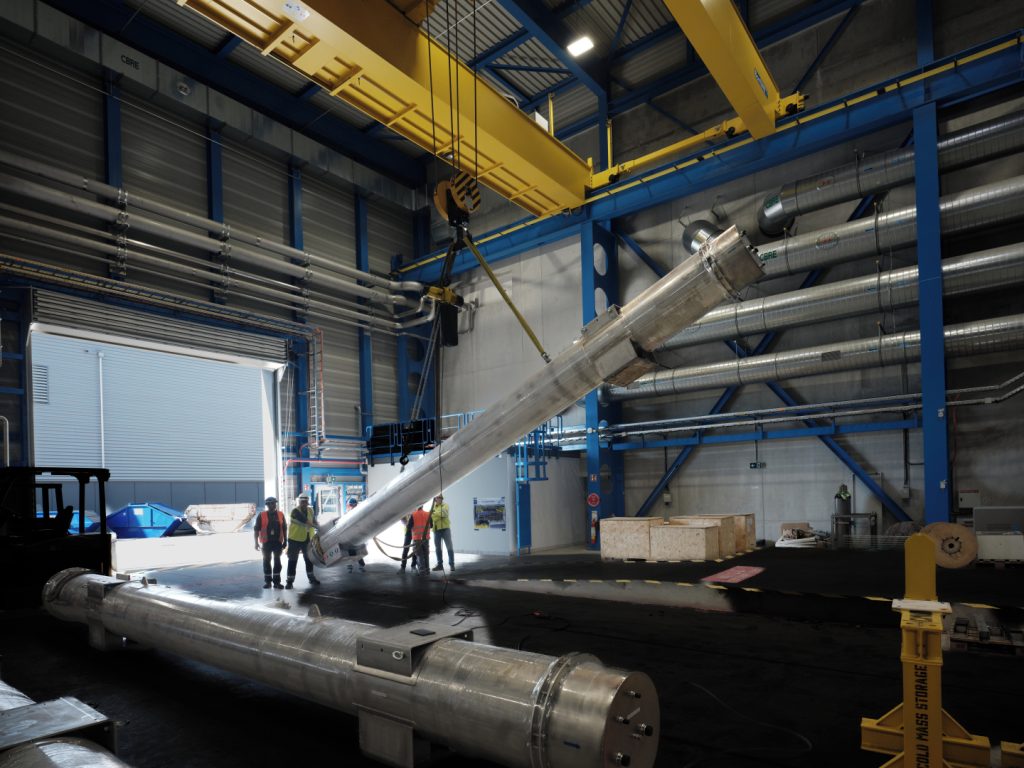
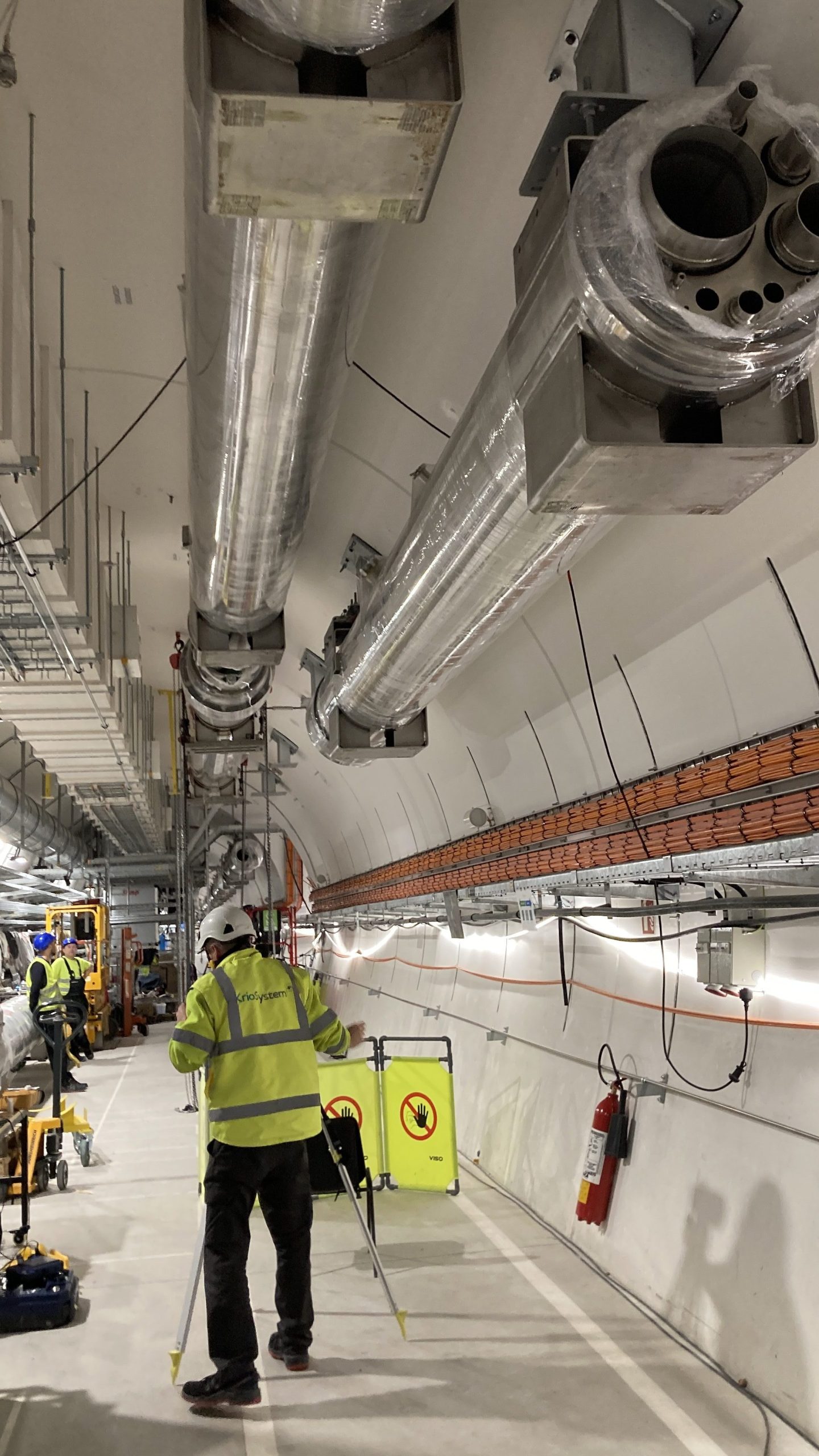
Figure 6. QXL distribution line installation phase 1A-1. Left: Maximilien Brice / CERN. Right: CERN
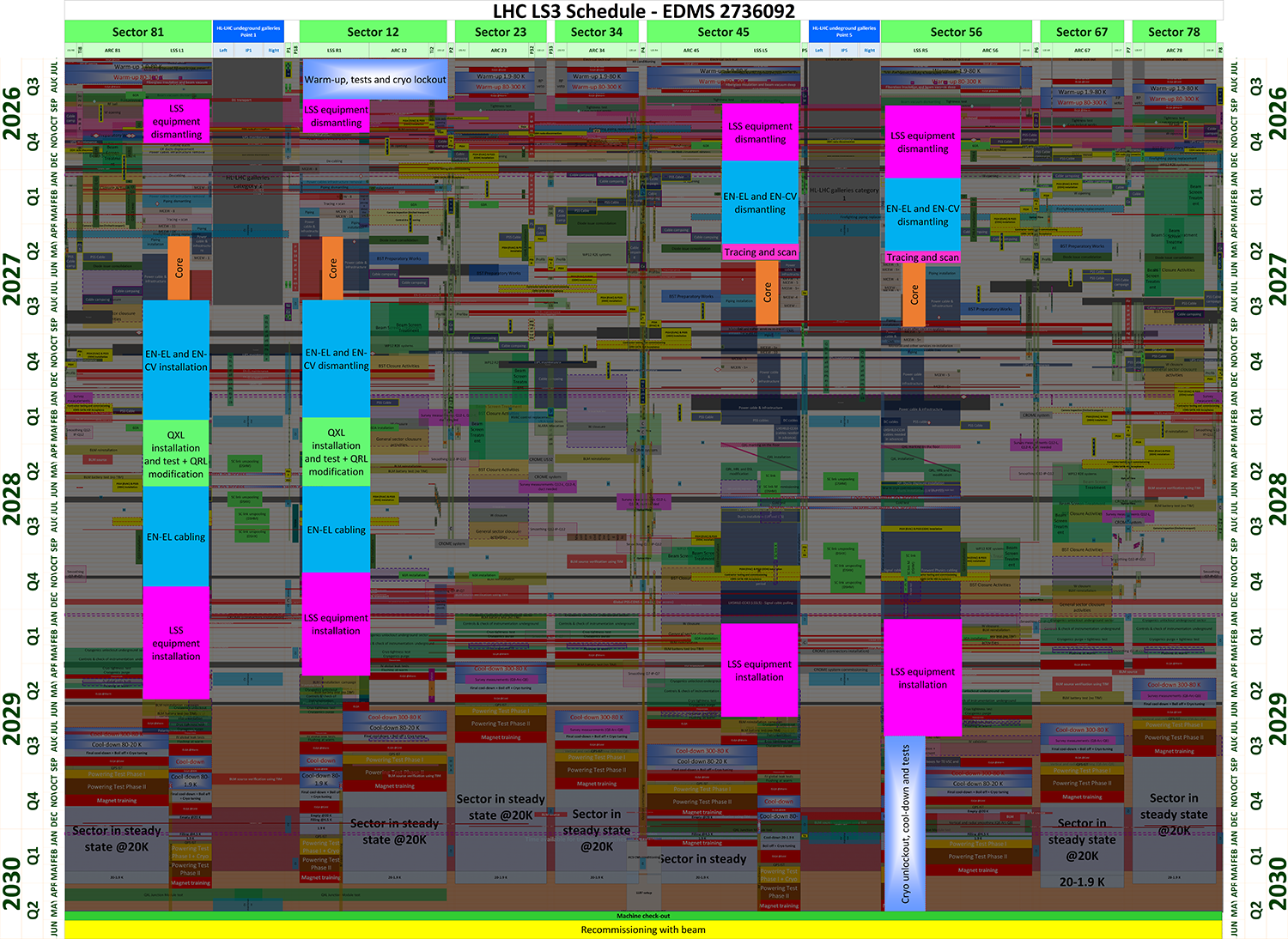
The overall planned LS3 duration, with HiLumi LHC activities largely determining its critical path (meaning the sequence of dependent activities determining the minimum time required to complete the LS3), has been kept unchanged at 47 months, with the start of LS3 scheduled for Monday 29th June 2026. The installation of the cold powering systems will start in April 2028 while the installation of the superconducting magnets and crab cavity cryomodules will commence in November 2028.
The considerable increase in the rhythm of equipment installation in the new HiLumi LHC facilities since mid-2025, and a very meticulous re-optimisation of the LS3 schedule, have provided sound and reliable chronology for LS3 activities – for both de-installation and installation activities in the LHC tunnel and continued installations in the HiLumi LHC facilities.