
Tag: WP4 Crab Cavities and RF
-
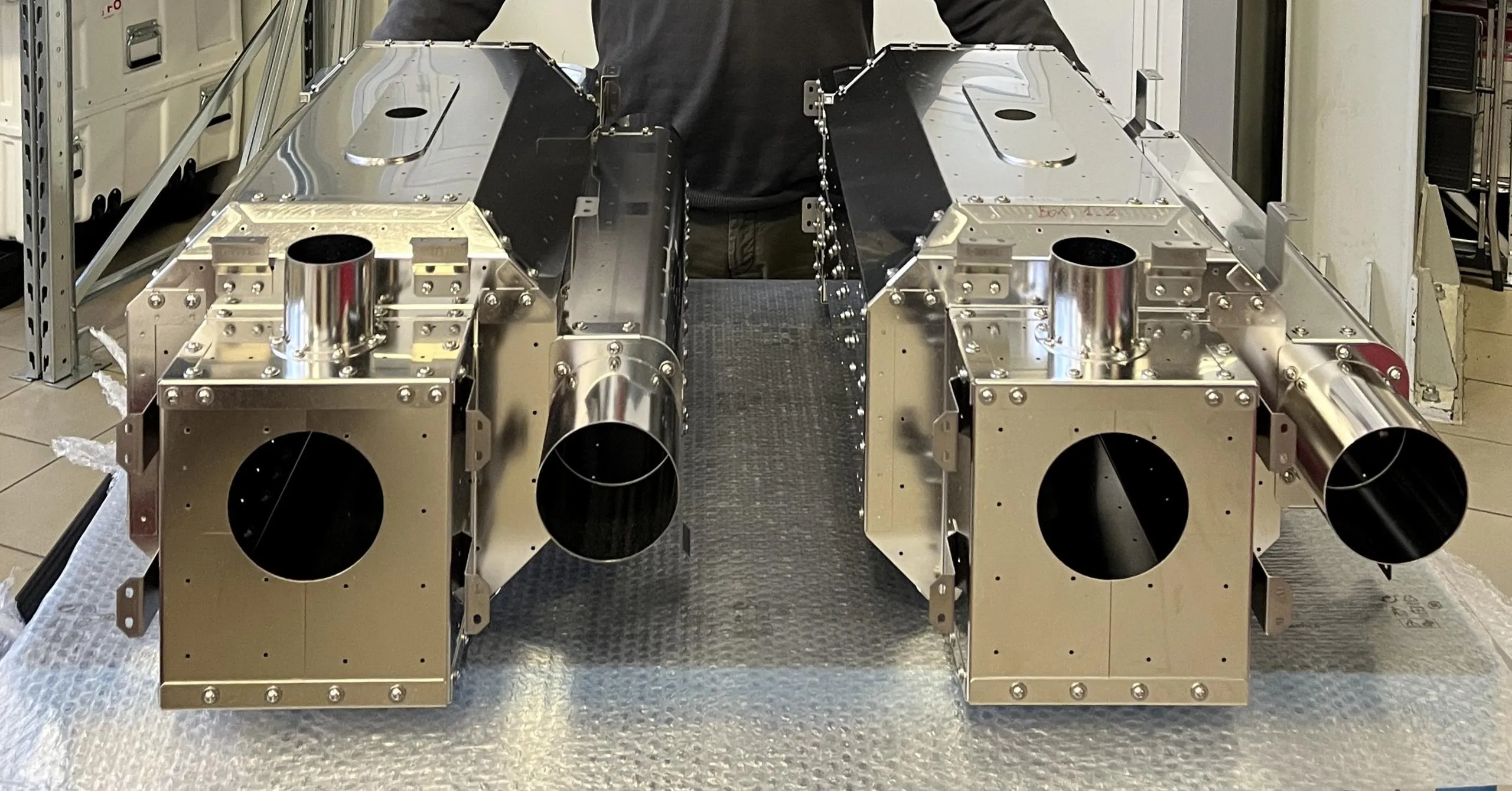
Progress with series production of RFD cavities and preparations for cryostating
Accelerator Upgrade Program (AUP) cavity status and preparations at JLab Work is progressing well for the crab cavity portion of the US contribution to the HL-LHC Project. All contracts are in place with the industrial supplier for the manufacturing of the RF-dipole (RFD) crab cavities, where activities have now reached peak production after years of…
-
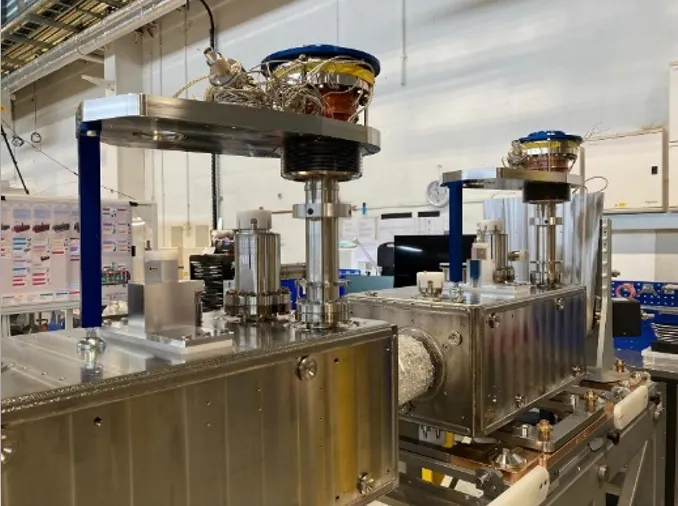
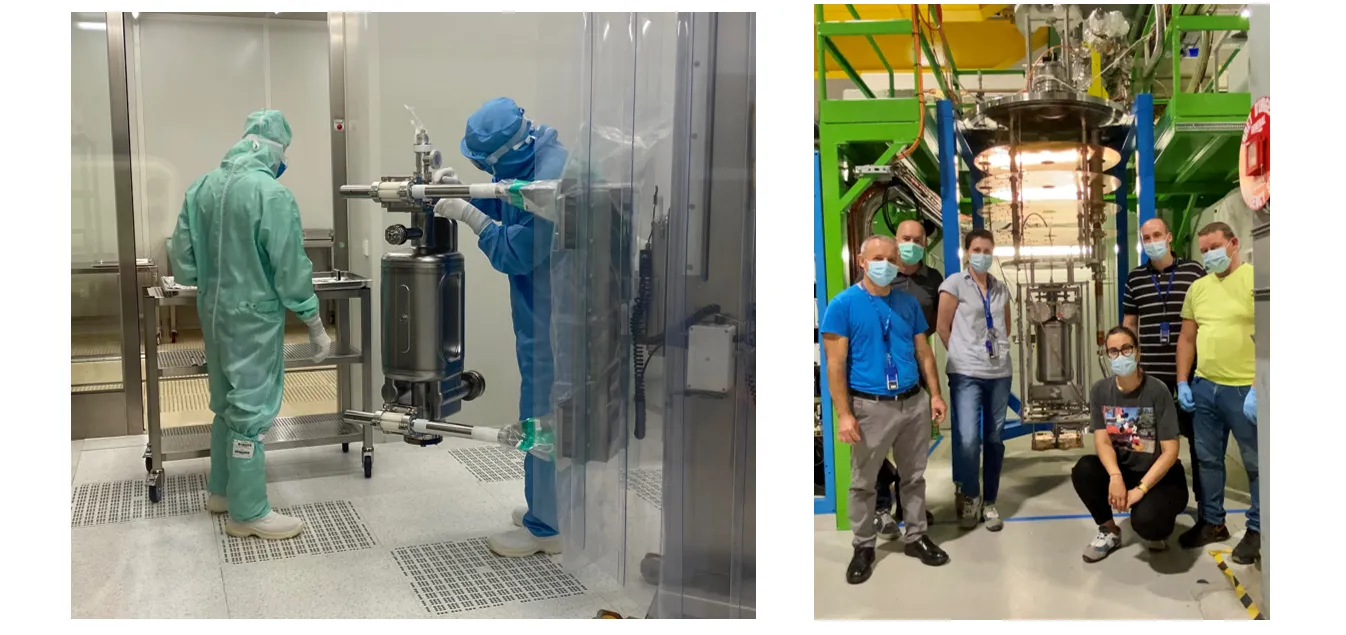
Assembly of RFD crab cavity module for delivery to CERN in September
The Cavity-String beamline and Fundamental Power Couplers were assembled in the ISO4 cleanroom jointly with STFC and CERN staff. After the successful leak check of the beam vacuum, RF checks and the final alignment, the cavity string was moved to the cryostat assembly area and is currently being equipped with the tuning system and RF…
-
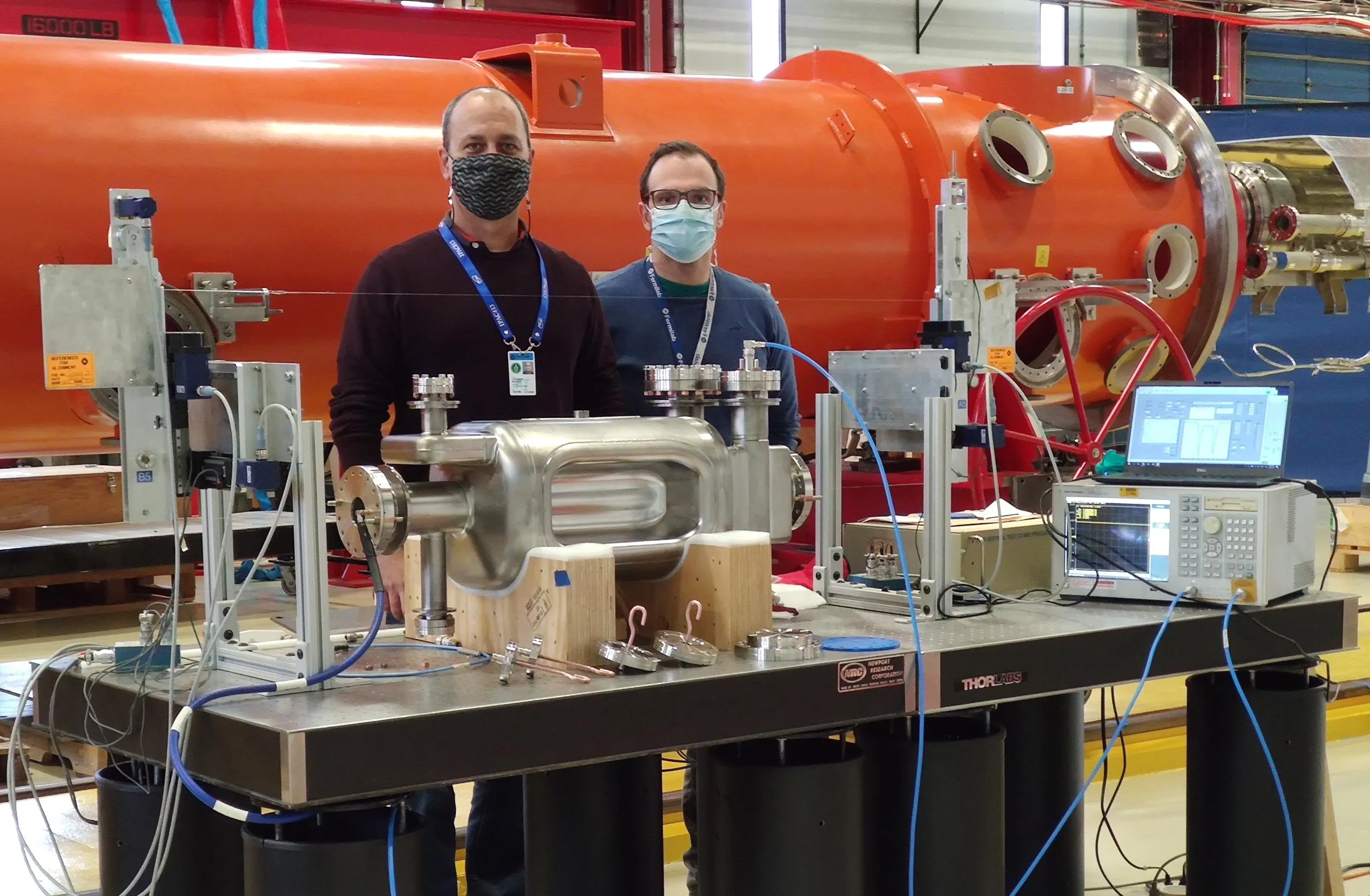
Start of series production for RFD CC at Zanon
In the framework of HL-LHC AUP in the US, last year two prototype RF Dipole Crab Cavities manufactured in Italy by Zanon Research & Innovation were validated successfully at FNAL through cold tests at 2K. One prototype reached a deflecting field voltage of 5.8 MV which is 40% above acceptance and 70% above nominal. The…
-
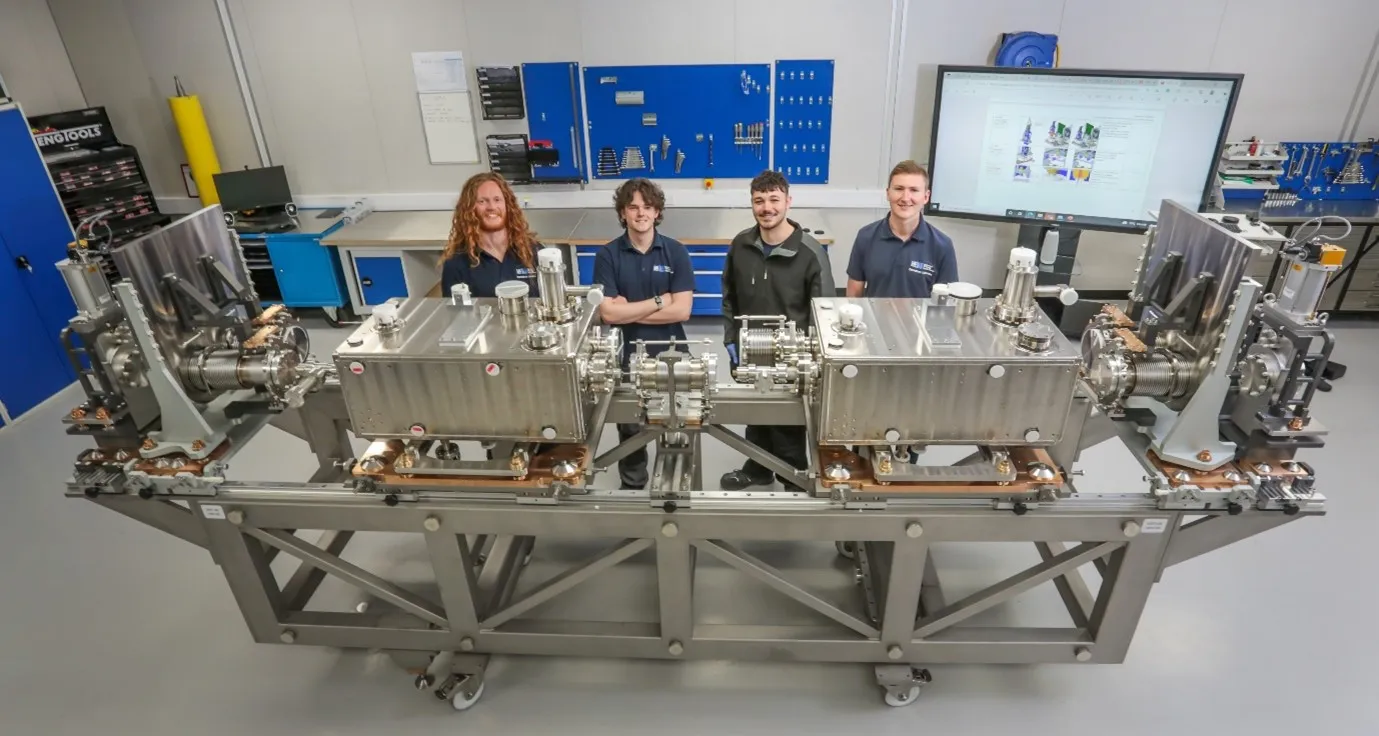
Delivery of RFD CC to UK and cryostating
CERN, STFC Daresbury Laboratory (STFC-DL) and Lancaster University have collaboratively designed a pre-series cryomodule to house 2 “RF Dipole” type Crab Cavities, with the aim of assembling the module at Daresbury Laboratory and testing at CERN in 2023. The first of the two cavities and ancillaries produced by CERN arrived safely at Daresbury Laboratory on…
-
RFD Cavity Tests at 2K
The two RF dipole crab (RFD) cavities being prototyped for the SPS tests underwent an ultra-pure water rinsing for a period of approximately 7 hours at very high pressure of 100 bar. This process has proven to be a key step in the cavity preparation to reach extremely high fields and suppress electron field emitters…
-
RFD Assembly
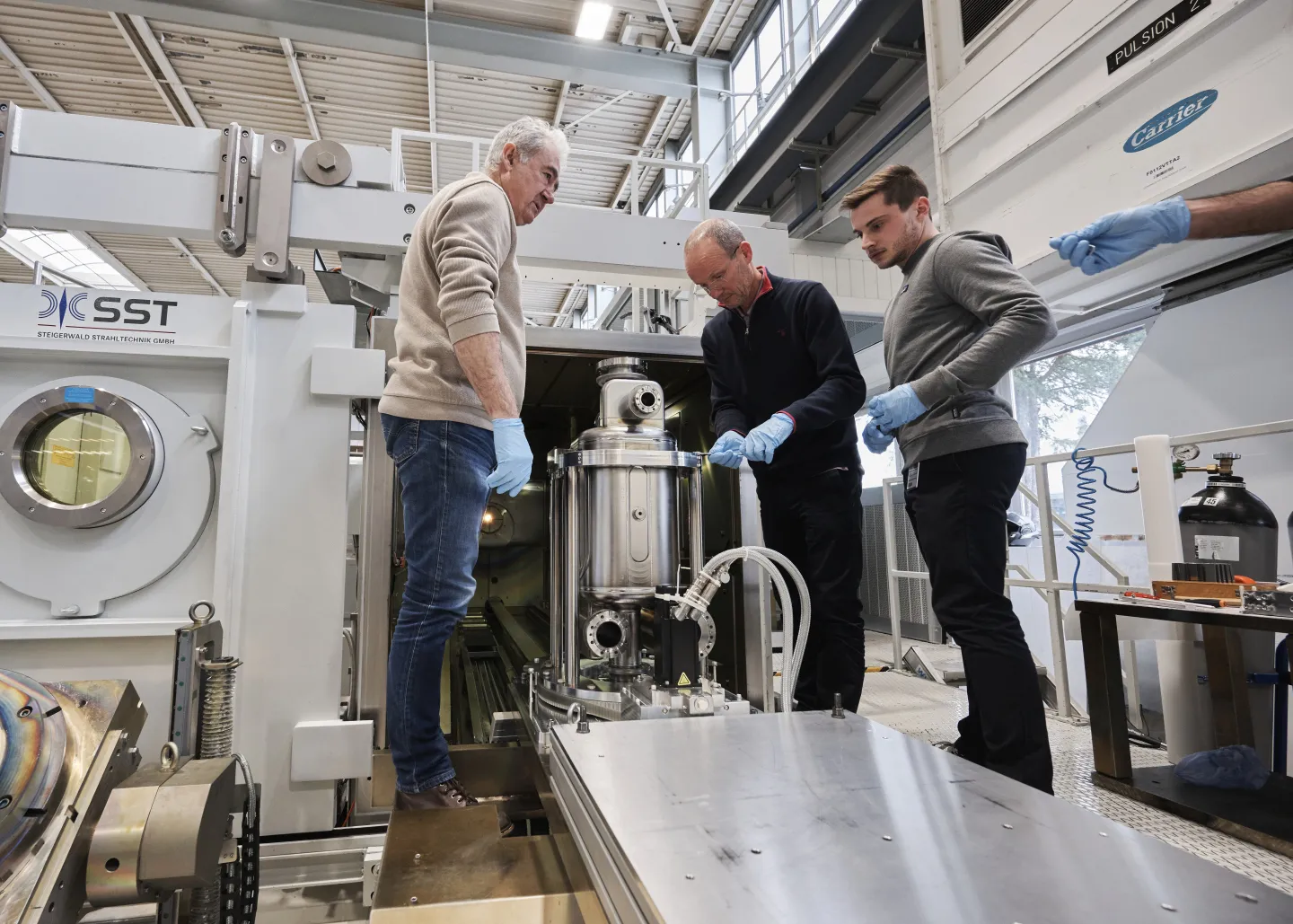
Two prototypes of RF dipole cavities which provide horizontal crabbing for the HL-LHC were successfully built at CERN. The frequency tuning setup before the final two welds is shown in the figure below. The frequencies of both cavities were within 100 kHz (negligible) showing the surgical precision in the manufacturing techniques for such a complicated…
-
Technical reviews of the HL-LHC Beam Dump System, the Collimation System and the Crab Cavity System
The CERN internal review of the HL-LHC Beam Dump System [BDS] took place on February 5th and was chaired by Volker Mertens. It was to a large extent triggered by two observations from the LHC beam operation towards the end of Run2, which led to the recommendation of integrating two options of the HL-LHC project…
-
New Crab Cavity positions and cryogenic shuffling module design
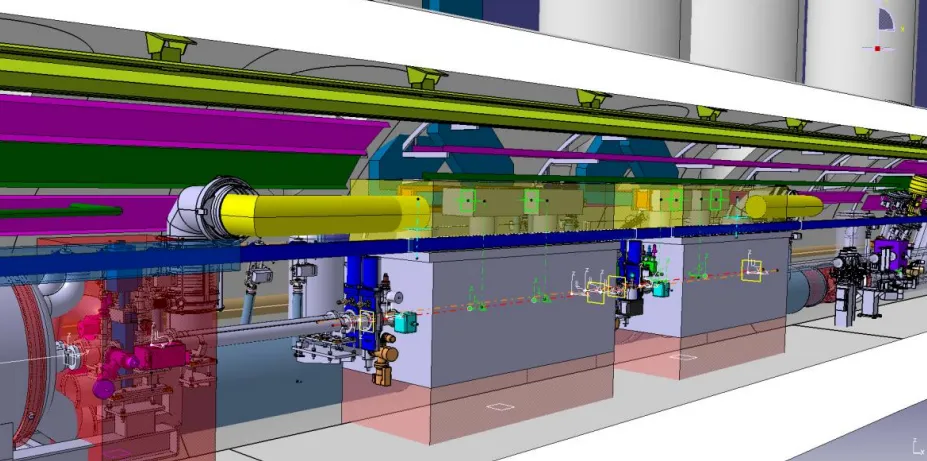
In the Optics 1.5 the crab position in the layout has been reviewed in order to take into account the design constraints of the cryogenic distribution line (QXL). In addition, the new approach guarantees the accessibility of the QXL equipment (valves and instrumentation) and provides an identical cryogenic layout able to receive both RFD and…
-
Report on the CD2 DOE Review
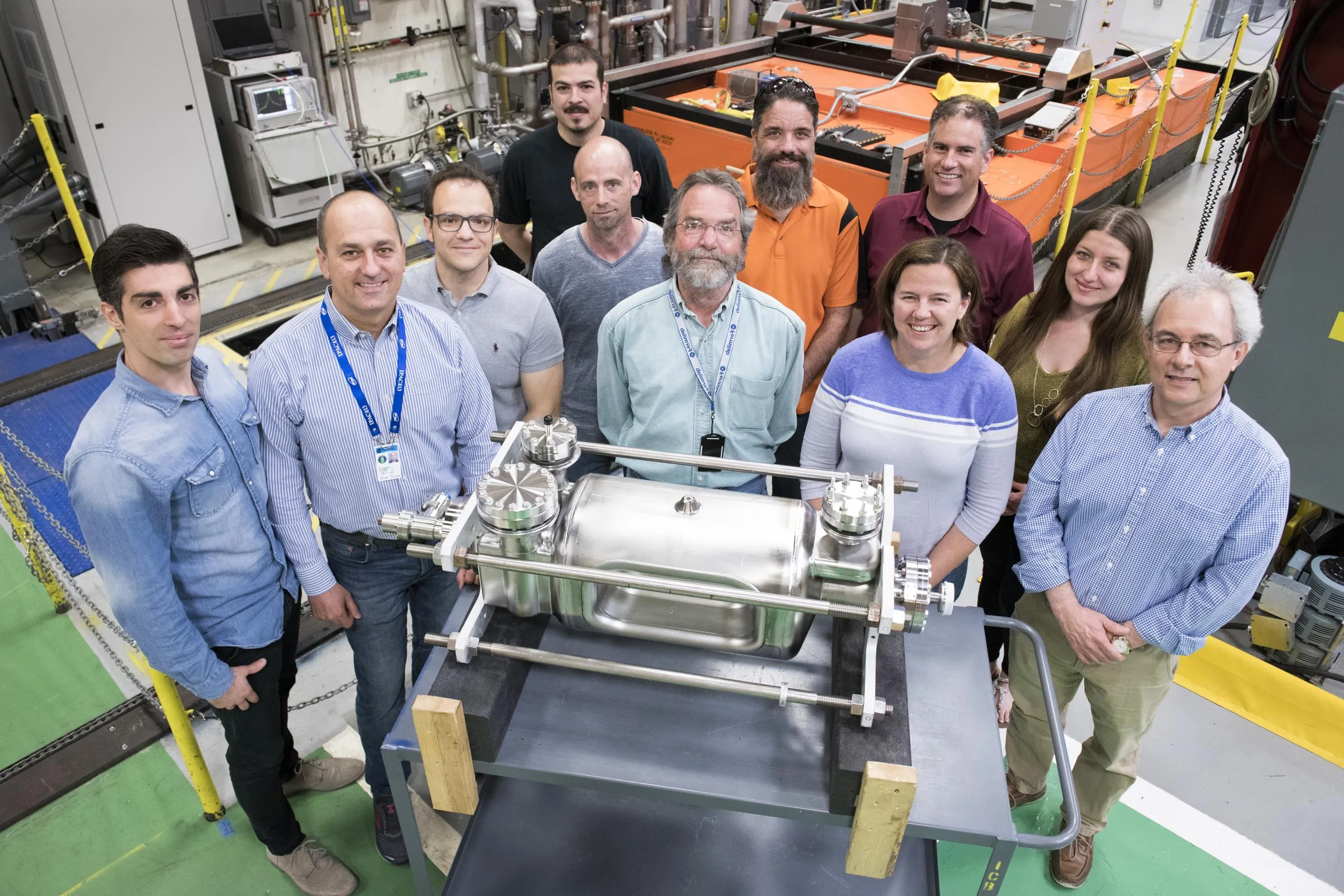
The US HL-LHC AUP effort successfully defended its plans to DOE in December 2018, and was baselined in February 2019. This major step, called Critical Decision -2 approval (CD-2), provides the funding agency approval of the total estimated Project cost and yearly funding profile to meet the goal of the US contribution to HL-LHC. Two…
-
Highlights from the HL-LHC Work Packages
WP2: Performance and Beam Dynamics During a measurement campaign in 2017 at the LHC, it was clearly demonstrated for the first time the beam lifetime improvement due to a compensation of the beam-beam long range effects, using DC current baring wires. The measurements and design studies are continuing during 2018 for further refining of the…