
Tag: Uppsala University
-
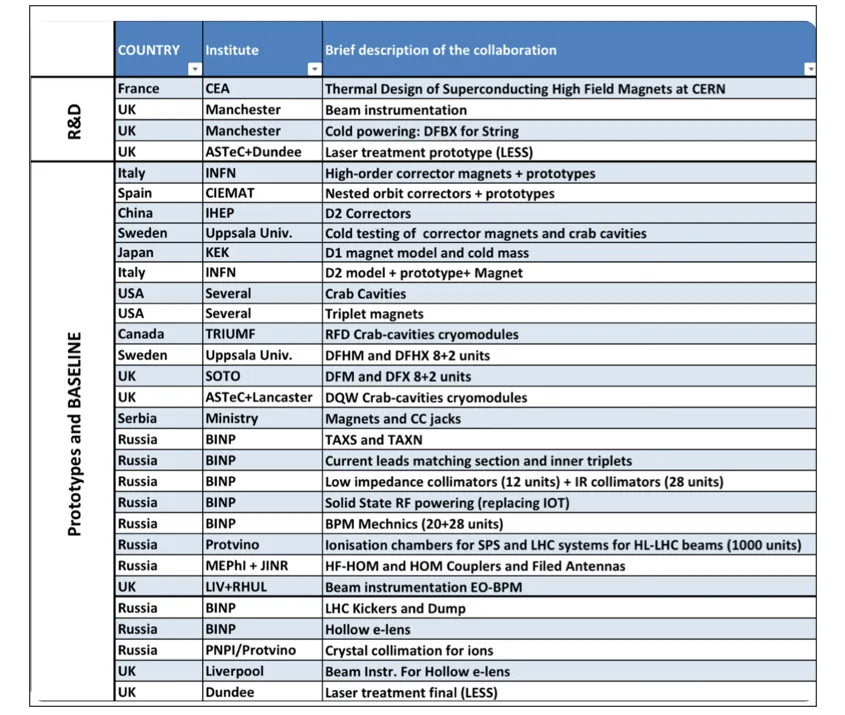
Update on Collaboration agreements and report from the Collaboration Board at the last Annual Meeting
The still unresolved COVID-19 pandemic, which defined the year 2020, has unsurprisingly had an impact on our collaborations. However, the impact appears to be contained to a few months, with delays that can be reabsorbed and are also partially mitigated by the decision taken after the 2019 C&SR to delay the start of LS3 by…
-
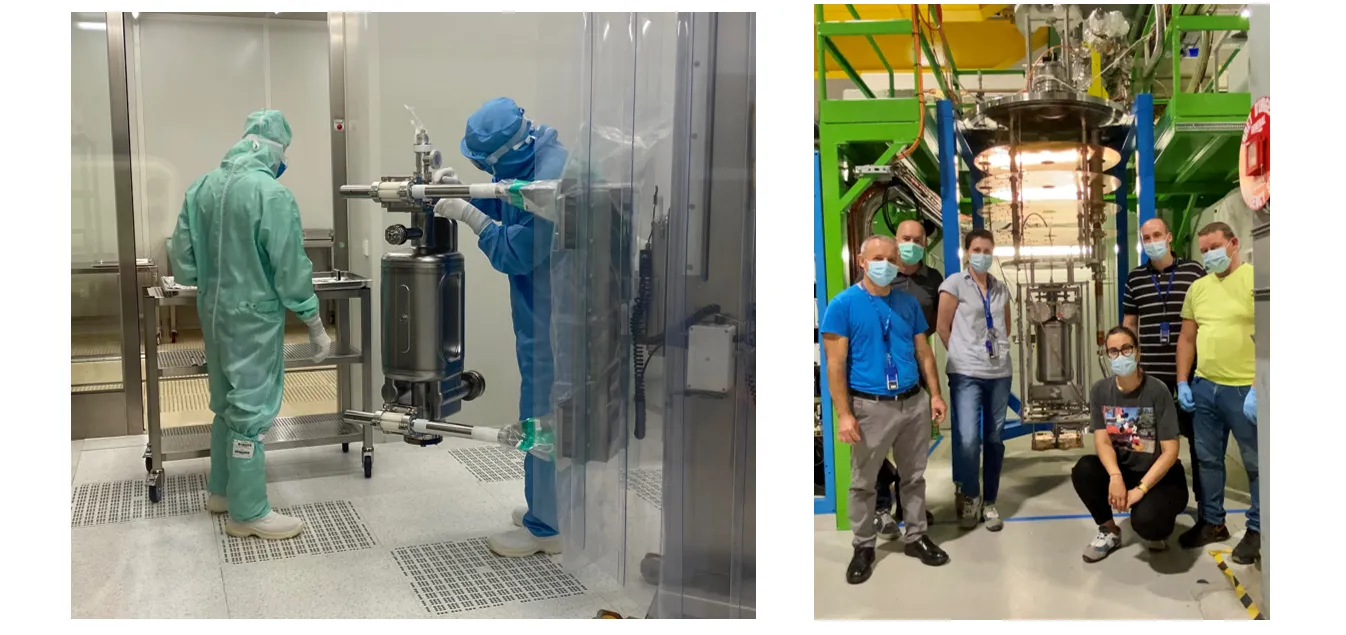
RFD Cavity Tests at 2K
The two RF dipole crab (RFD) cavities being prototyped for the SPS tests underwent an ultra-pure water rinsing for a period of approximately 7 hours at very high pressure of 100 bar. This process has proven to be a key step in the cavity preparation to reach extremely high fields and suppress electron field emitters…
-
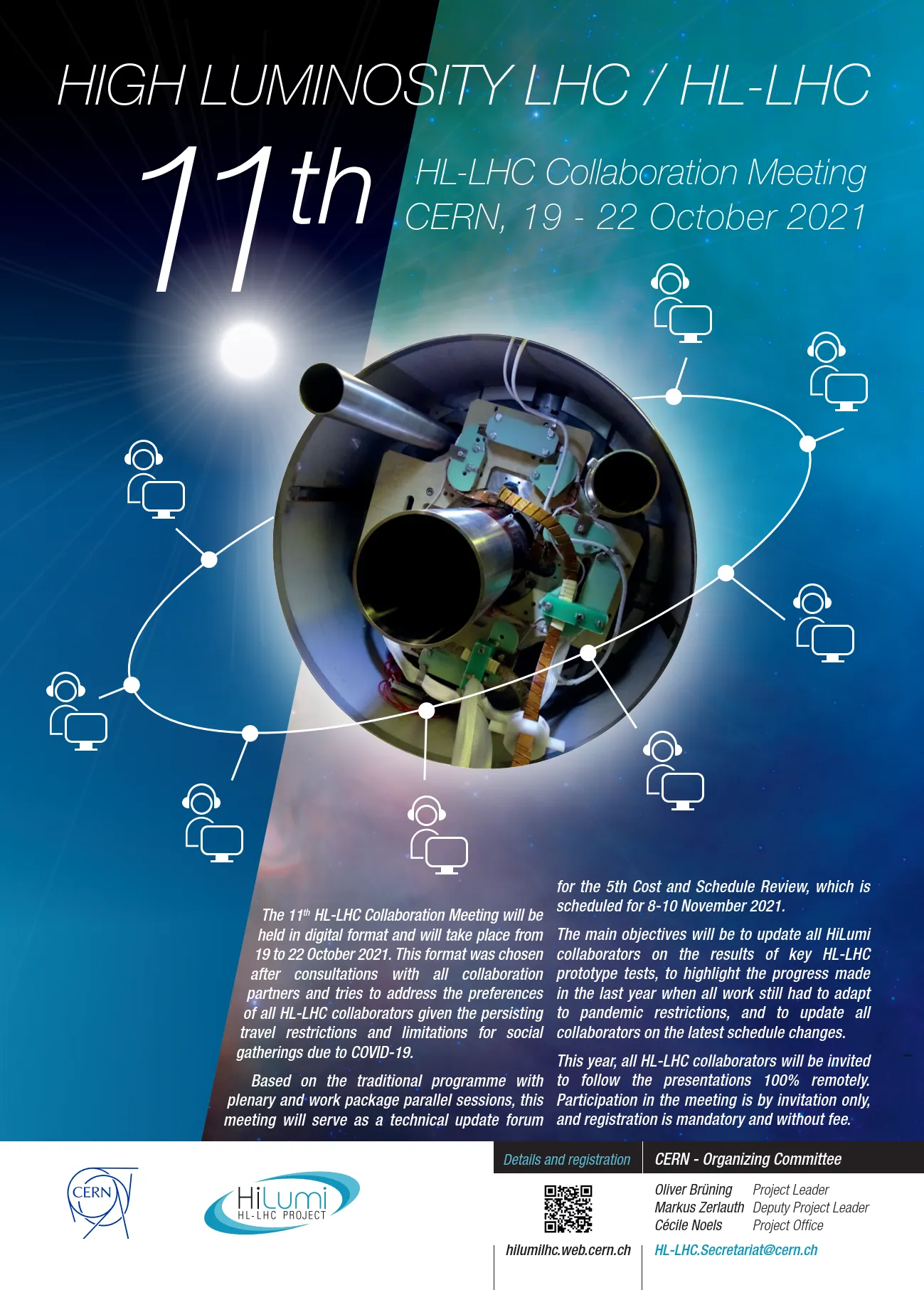
Update on the HL-LHC Project Status – Issue 5
The progress since the last collaboration meeting in October 2020 has been truly remarkable and the project successfully passed several key milestones for the project implementation in spite of the COVID-19 restrictions. Among the many achievements, I would like to highlight here the successful validation of two pre-series MQXFA triplet quadrupole magnets by our US…
-
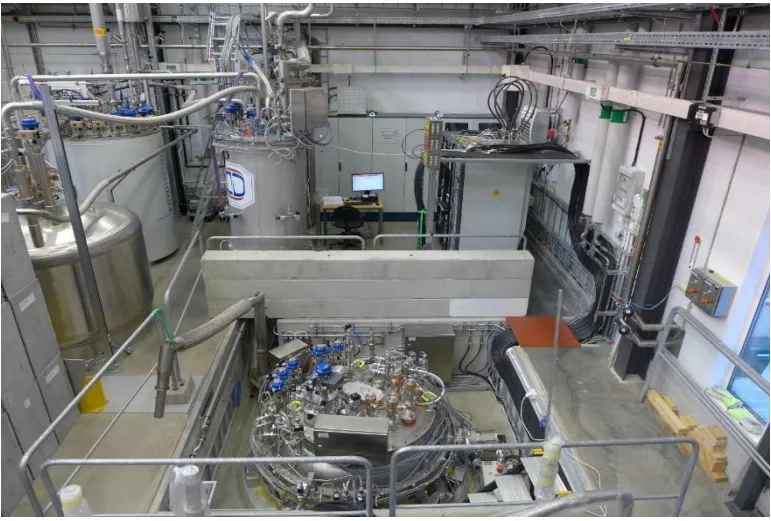
Qualifying Magnets and Cavities at FREIA
Uppsala University in Sweden has been a valuable collaborator since the foundation of CERN. In the 1950’s, Uppsala, having just constructed its own cyclotron, contributed to the development of the very first accelerator at CERN: the synchrocyclotron. In the 1980’s CERN assisted Uppsala with the construction of a proton and heavy-ion accelerator and cooler-storage ring…
-
Fruitful Development Using a New Superconductor
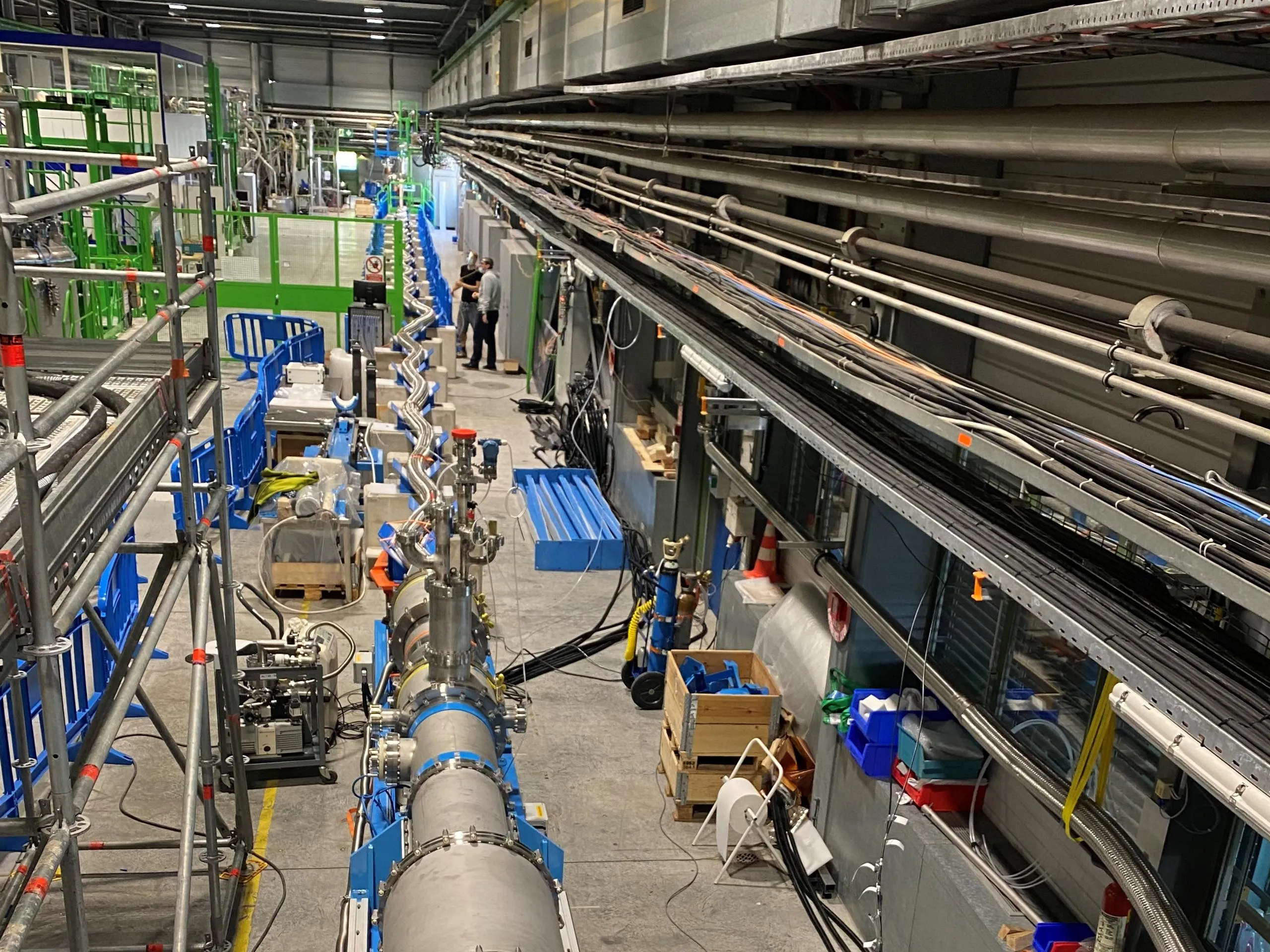
An important milestone was achieved in June 2020 with the successful test at CERN of a demonstrator – Demo 2 – of the cold powering system for the HL-LHC magnets. Demo 2 incorporates a superconducting 60-m long power transmission line, the Superconducting Link, which will later be used to connect the HL-LHC magnets in the…
-
RFD Assembly
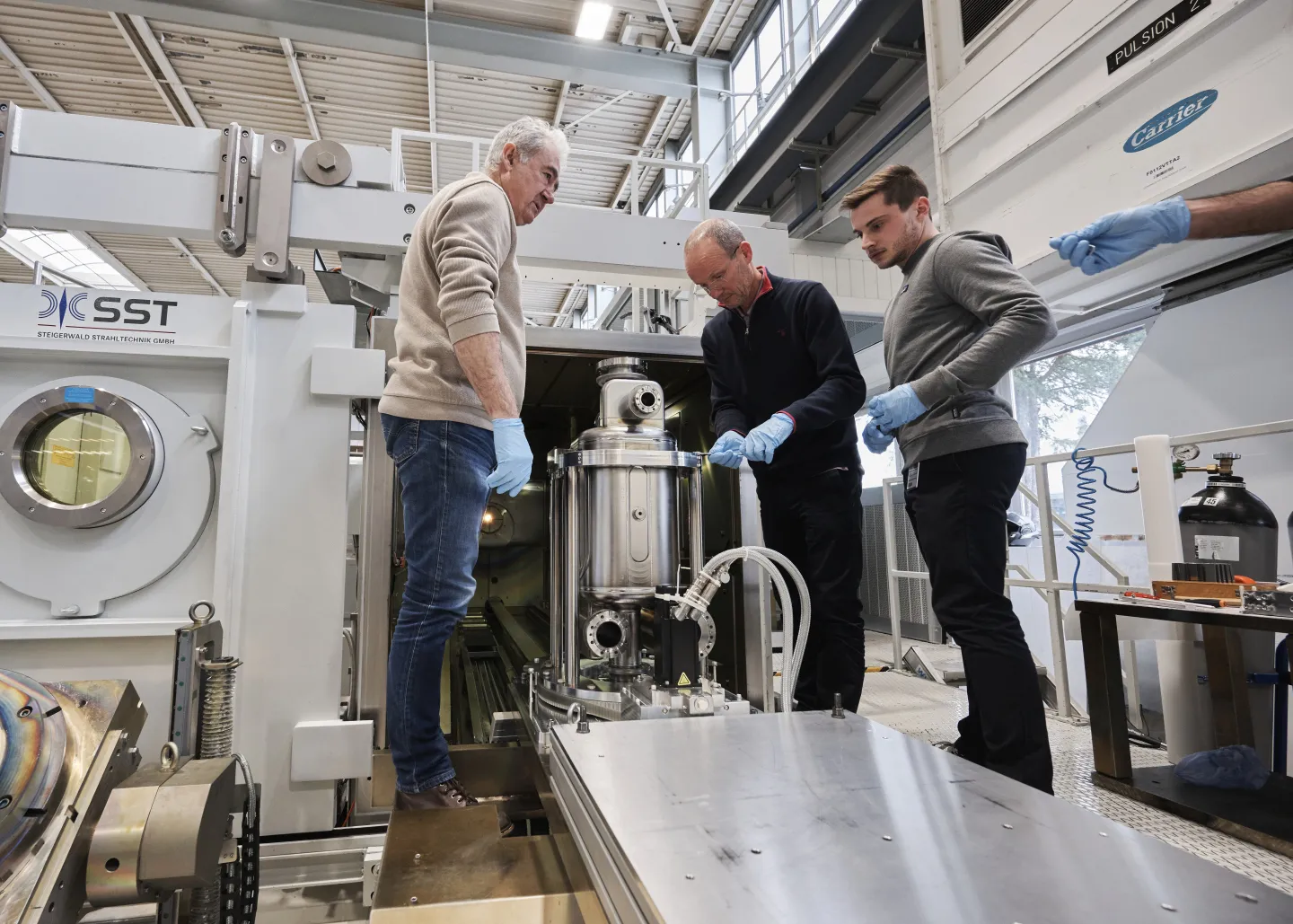
Two prototypes of RF dipole cavities which provide horizontal crabbing for the HL-LHC were successfully built at CERN. The frequency tuning setup before the final two welds is shown in the figure below. The frequencies of both cavities were within 100 kHz (negligible) showing the surgical precision in the manufacturing techniques for such a complicated…
-
Update on Collaboration Agreements and Report from the Collaboration Board at the Last Annual Meeting
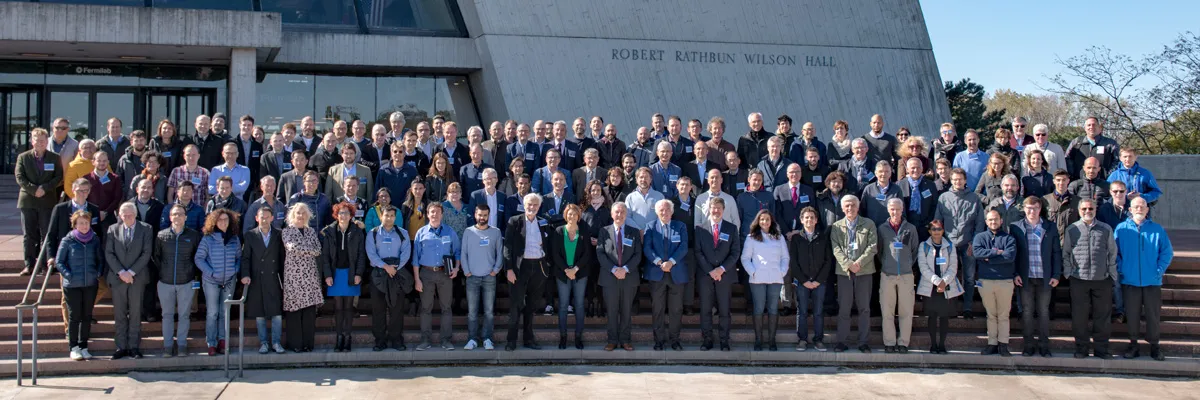
After the last Collaboration Meeting in Fermilab in October 2019, there have been several important developments in collaboration matters. The 2019 LIU/HL-LHC Cost and Schedule Review outcome was very positive with inclusion in the baseline of the various pending options that were all items to be procured via collaboration agreements. That allowed the settlement of…
-
Update on the HL-LHC Project Status – Issue 4
Dear HiLumi collaborators, The period following the 9th Collaboration Meeting in Fermilab, 14-17 November 2019, has been exceptionally rich in events. The most striking has certainly been the COVID-19 emergency, with long periods of lockdown almost everywhere. Although work has resumed at CERN and in most laboratories, the consequences go far beyond the lockdown time.…
-
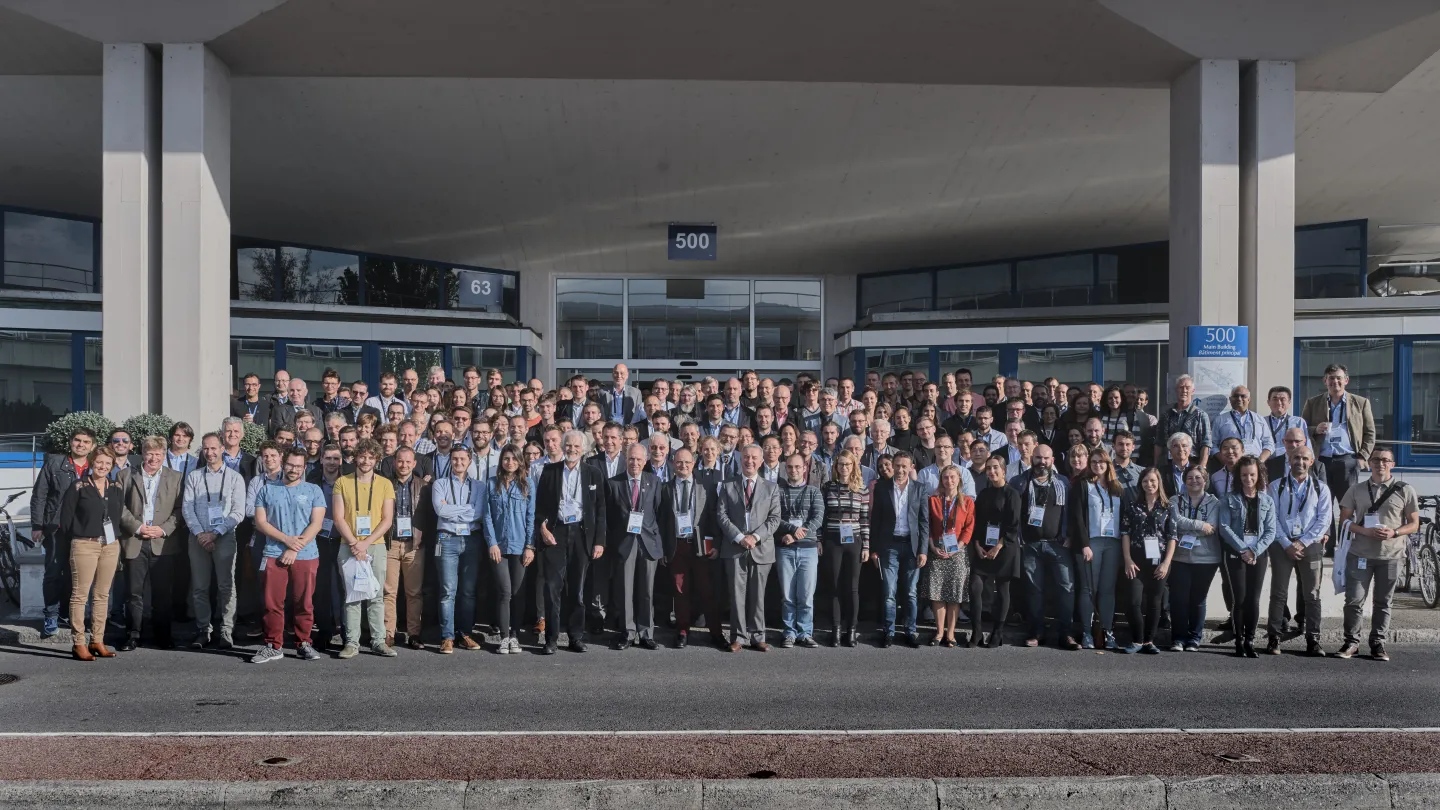
Update on the Collaboration Members and Contributions
The 8th HL-LHC Collaboration Board took place during the last HL-LHC Annual Meeting in October 2018 at CERN. During the last months, several collaboration agreements have been prepared and are in the process of signature or advanced stage of finalization. – INFN for the production of the D2 cold masses. INFN is finalizing prototypes and…
-
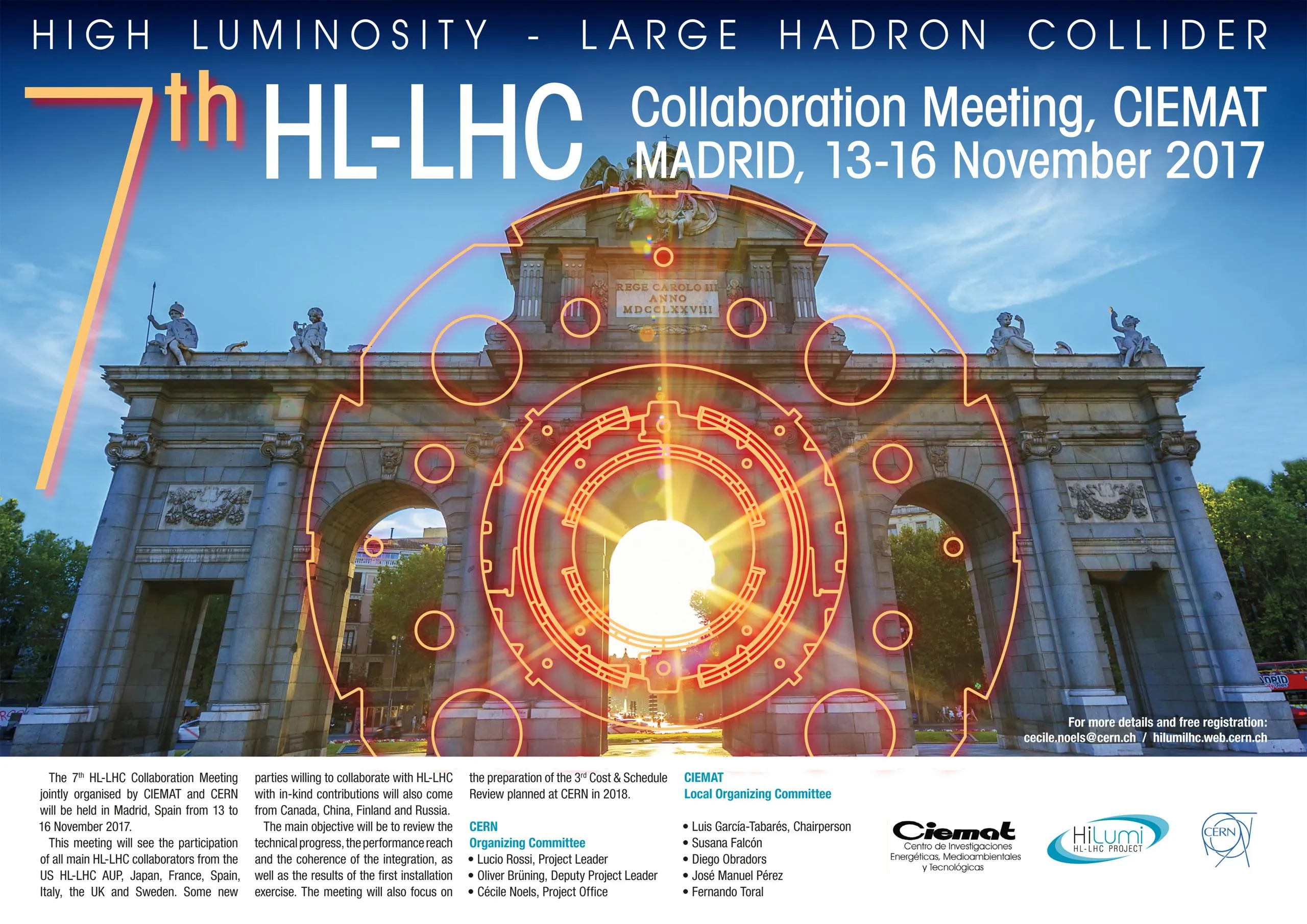
Update on the Collaboration Partners and Contributions
The 7th HL-LHC Collaboration Board took place during the 7th HL-LHC Annual Meeting in November 2017, jointly organized by CIEMAT and CERN in Madrid, Spain. One of the focuses of the 7 th HLCB meeting was a summary of the existing agreements for in-kind contributions from collaborators. Since the HLCB meeting in Paris, the project…