
Tag: UK Collaboration
-
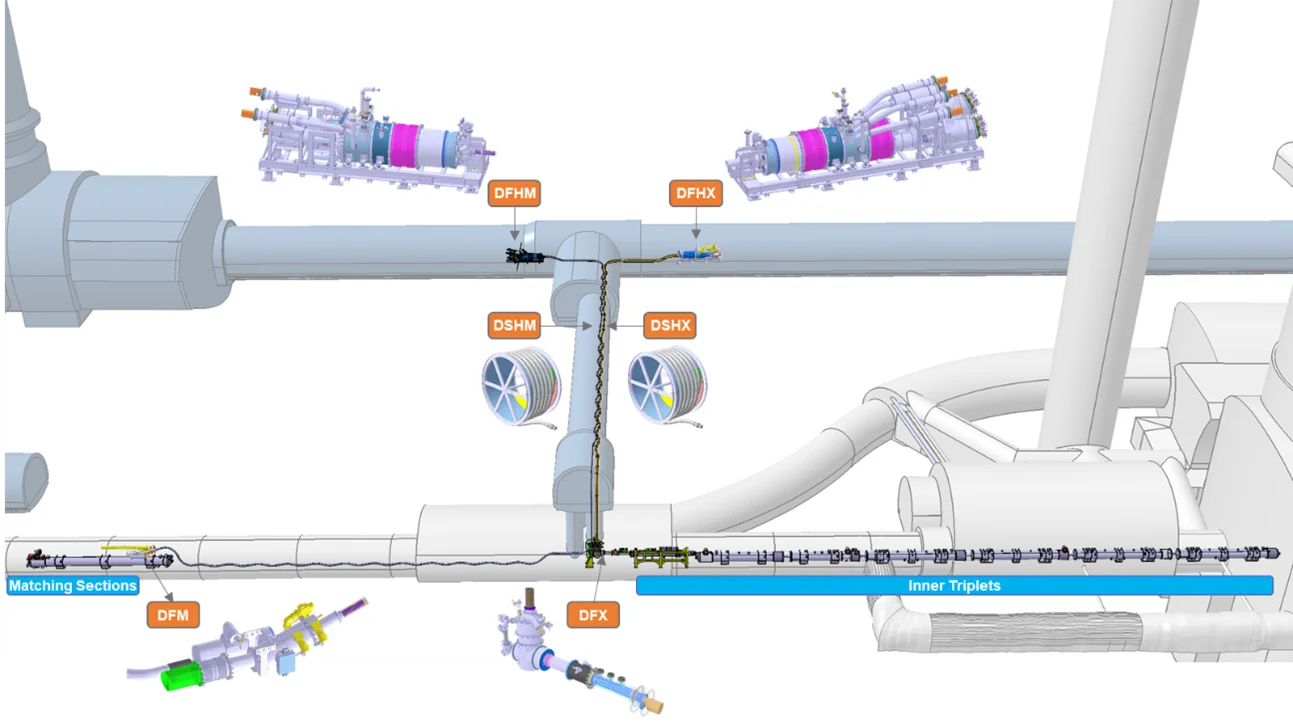
Progress with series production of DFHX/M by the University of Uppsala and DFX/M by the University of Southampton
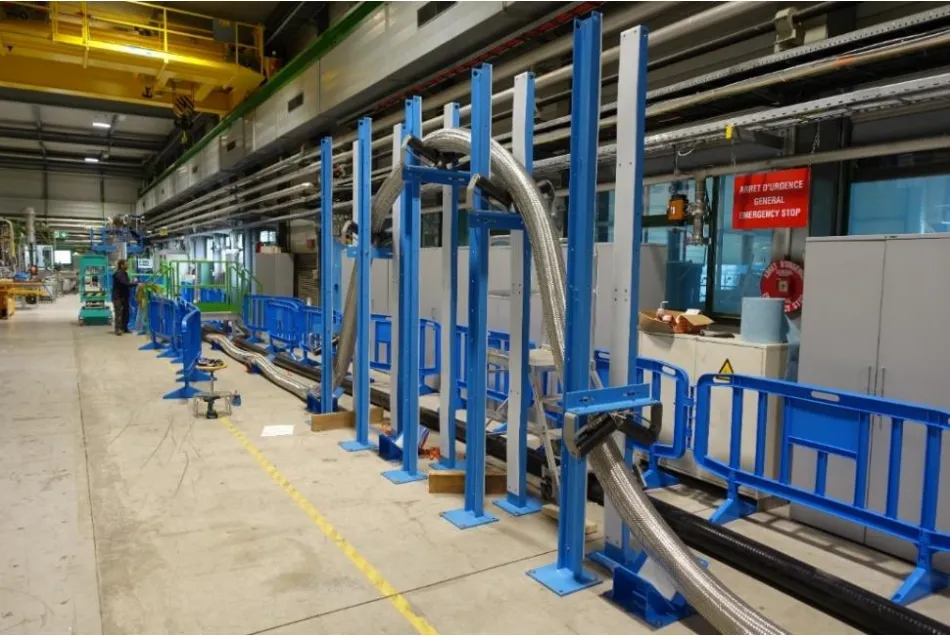
The HL-LHC cold powering systems transfer the current from the power converters, located in the new underground galleries, to the superconducting magnets of the HL-LHC inner triplets and matching sections at Point 1 and Point 5. Eight systems plus two spares of each of the two different types – ‘X’ for the inner triplets; ‘M’…
-
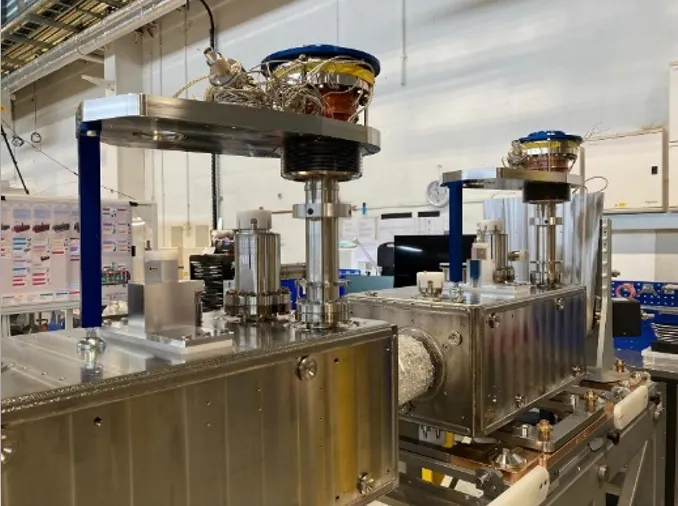
Assembly of RFD crab cavity module for delivery to CERN in September
The Cavity-String beamline and Fundamental Power Couplers were assembled in the ISO4 cleanroom jointly with STFC and CERN staff. After the successful leak check of the beam vacuum, RF checks and the final alignment, the cavity string was moved to the cryostat assembly area and is currently being equipped with the tuning system and RF…
-
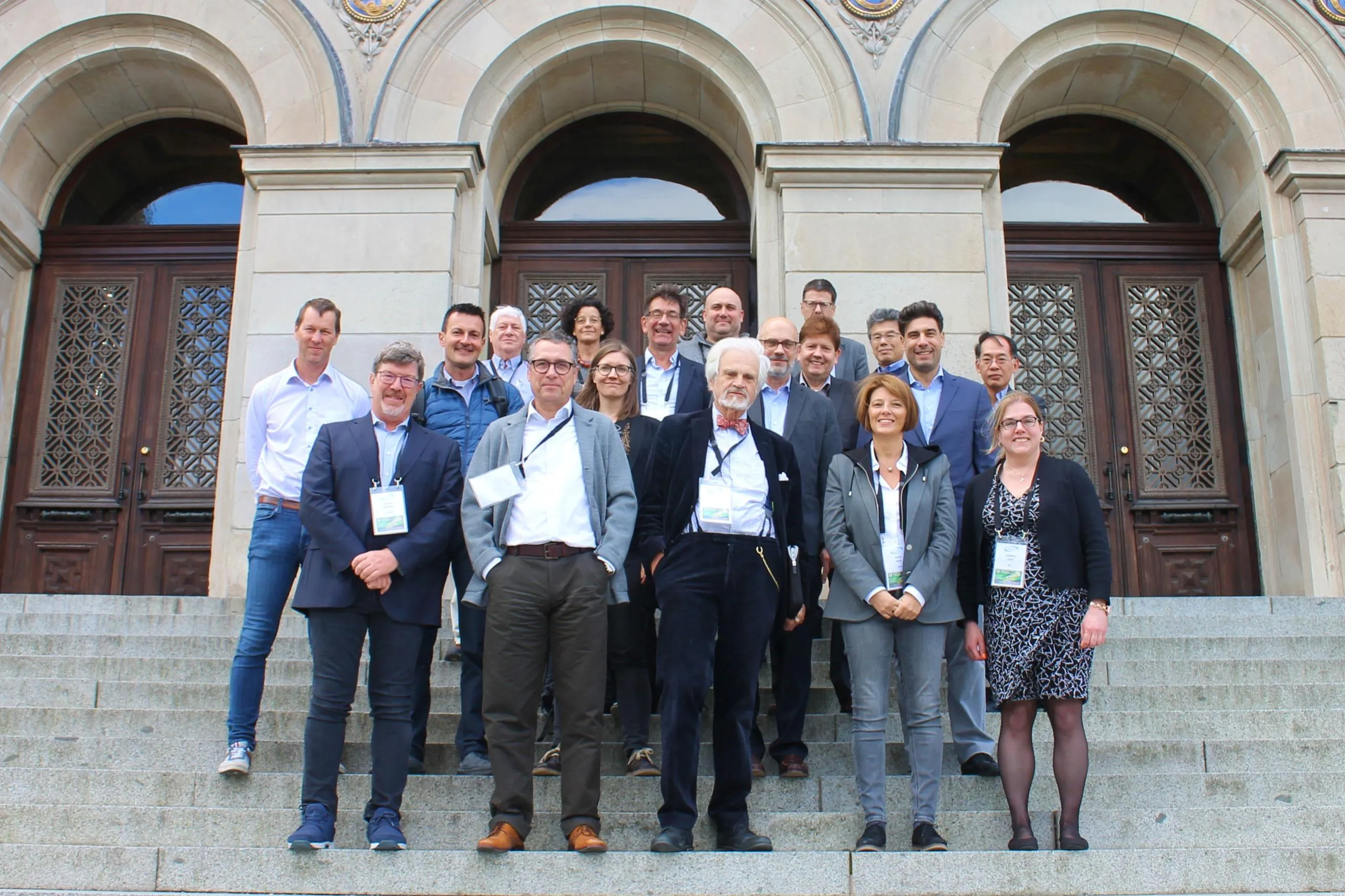
Overview of collaboration status
The HL-LHC collaboration office continues to update existing and put in place new agreements. Since the beginning of 2023 we have been busy updating UK Phase 1 agreements allowing for the final invoicing to take place. Many of the planned deliverables were delayed during COVID so several dates for the expected invoices and a few…
-
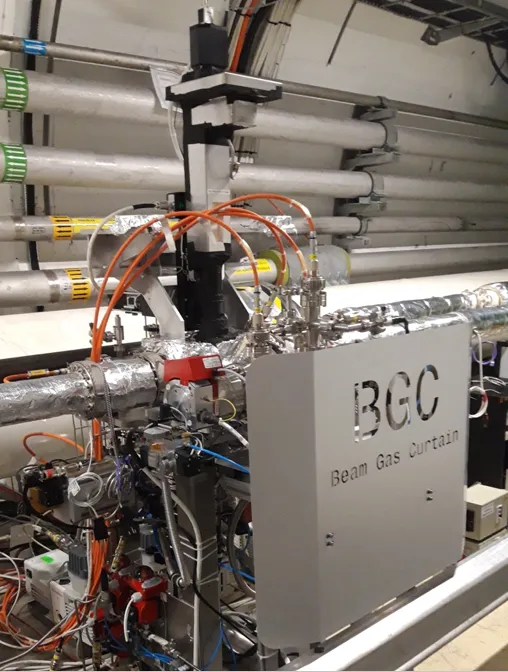
Prototype installation and MD plans for BGC and Coronagraph in LHC
The research and development activities pursued in beam diagnostics within the framework of the High Luminosity LHC project are coming to a crucial phase. Prototype instruments developed over the last 10 years are being finalized and prepared for final validation tests with beams. The installation of a prototype high bandwidth pick-up using electro-optical waveguide in…
-
BGC Collaboration Meeting at CERN
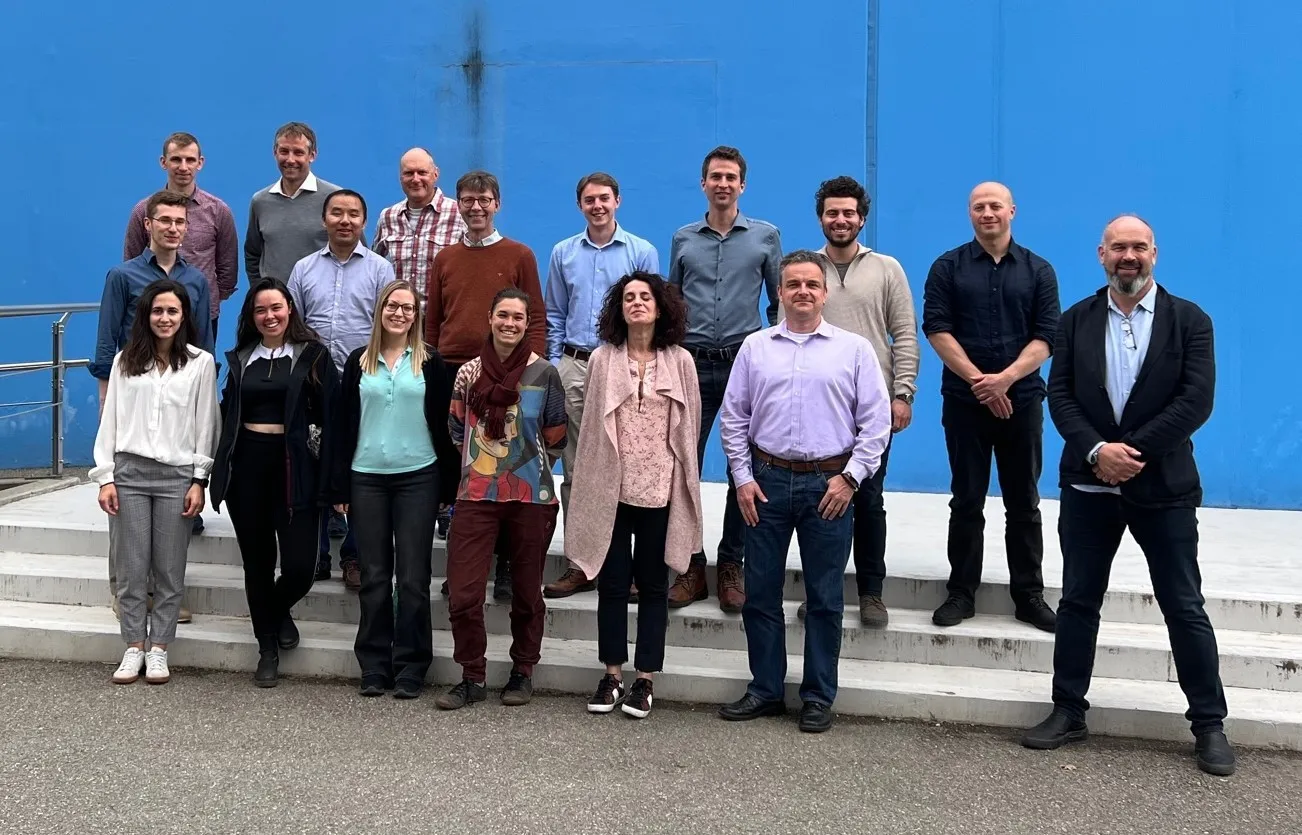
The 8th Beam Gas Curtain (BGC) Collaboration Meeting was held at CERN in early April. The two-day meeting, organized by WP13 in collaboration with Cockcroft Institute (CI) and GSI, brought together senior scientists and the collaboration members from these institutions, including a number of young researchers. It also coincided with the presence of the CI…
-
Delivery of RFD CC to UK and cryostating
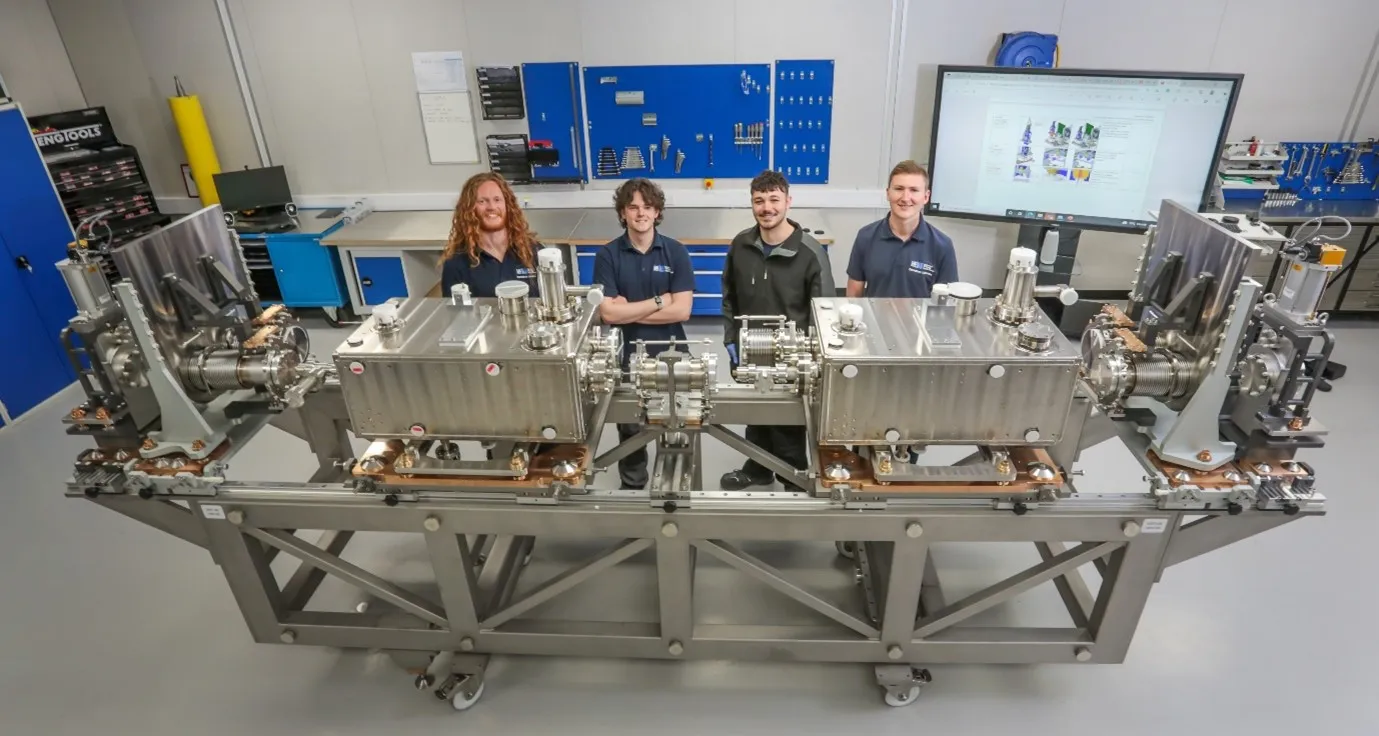
CERN, STFC Daresbury Laboratory (STFC-DL) and Lancaster University have collaboratively designed a pre-series cryomodule to house 2 “RF Dipole” type Crab Cavities, with the aim of assembling the module at Daresbury Laboratory and testing at CERN in 2023. The first of the two cavities and ancillaries produced by CERN arrived safely at Daresbury Laboratory on…
-
RFD Assembly
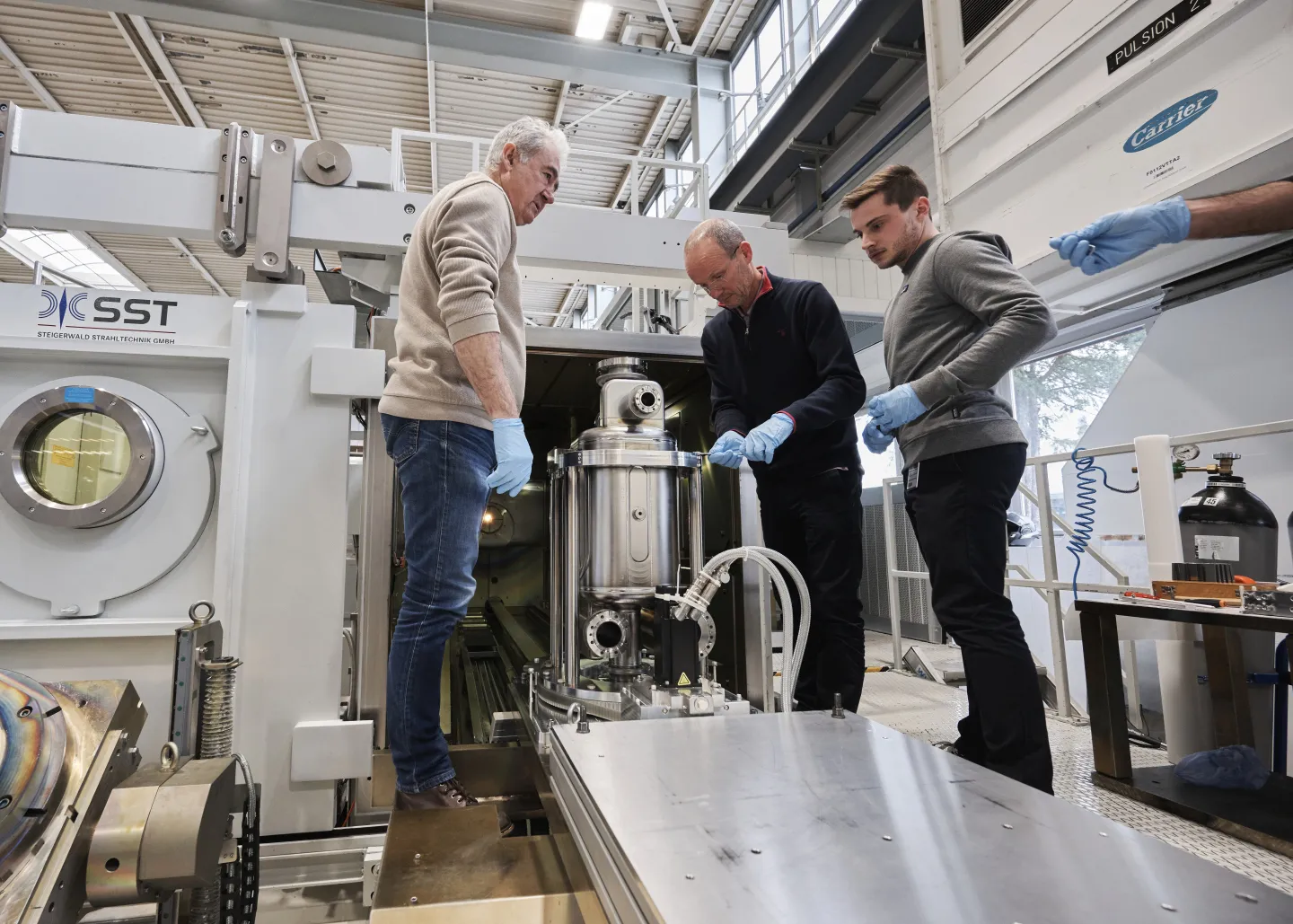
Two prototypes of RF dipole cavities which provide horizontal crabbing for the HL-LHC were successfully built at CERN. The frequency tuning setup before the final two welds is shown in the figure below. The frequencies of both cavities were within 100 kHz (negligible) showing the surgical precision in the manufacturing techniques for such a complicated…
-
DFX review and design modifications
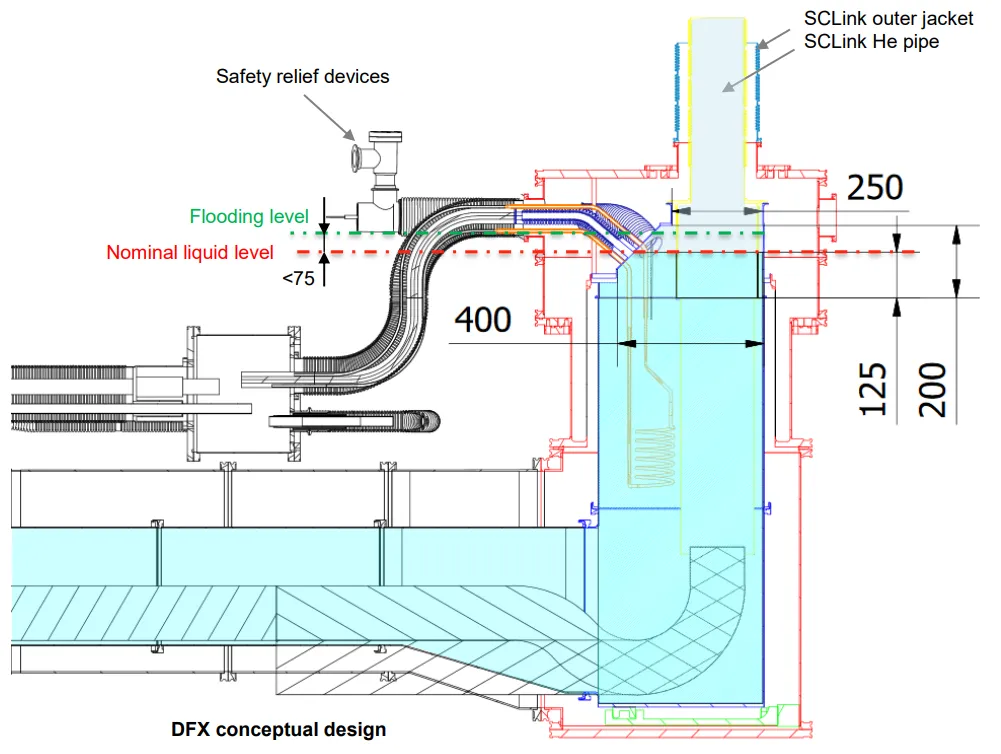
On the 31st January 2019 (with a 2nd final session on the 12th February), a DFX Conceptual Design Review was held at CERN. The DFX (Distribution Feed Box) is a key element of the cryogenic powering line for the new magnets of the LHC interaction regions at IP1 and IP5. This powering line, the so-called…
-
Highlights from the HL-LHC Work Packages
WP2: Performance and Beam Dynamics During a measurement campaign in 2017 at the LHC, it was clearly demonstrated for the first time the beam lifetime improvement due to a compensation of the beam-beam long range effects, using DC current baring wires. The measurements and design studies are continuing during 2018 for further refining of the…
-
Crab Cavity Prototype Development and Test Stand Installation in the SPS and World’s First Crabbing of a Proton Beam
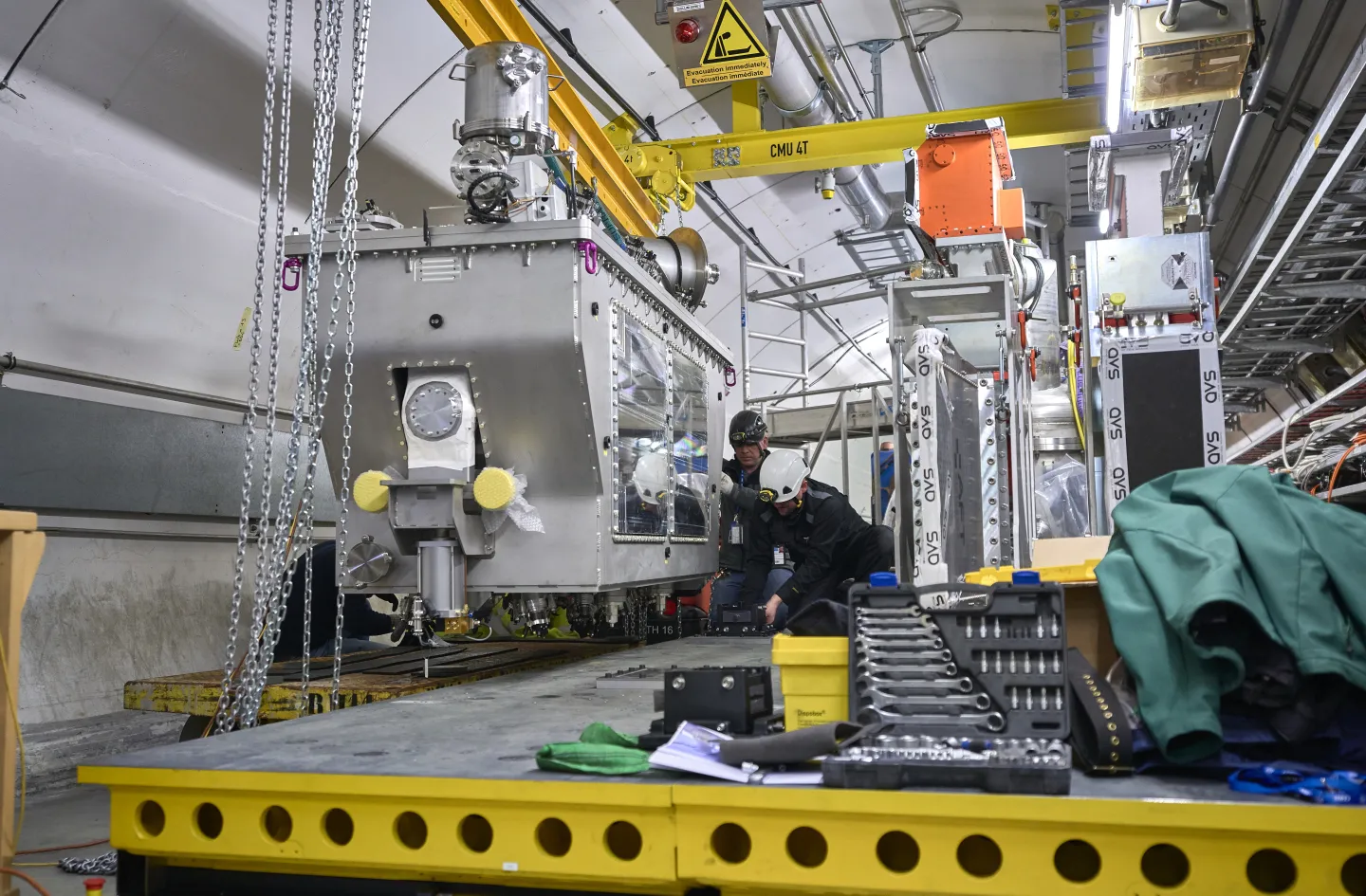
The first test of superconducting crab cavities to rotate a beam of protons was performed on 23 May 2018 using a beam from CERN’s Super Proton Synchrotron (SPS) accelerator. These cavities are a key component of the High Luminosity Large Hadron Collider (HL-LHC). A total of 16 such cavities will be installed in the HL-LHC…